


Bangladesh’s proposed health budget faces scrutiny as experts warn poor services, medical poverty and climate-linked disease risks threaten access, nutrition, SRHR and resilience for vulnerable communities.
Bangladesh is set to allocate nearly Tk 35,000 crore in development spending for the health sector in the upcoming 2026-27 fiscal year, even as experts warn that weak service delivery, high out-of-pocket costs and escalating climate-related health risks continue to strain one of the most climate-vulnerable health systems in the Global South.
The proposed allocation comes at a time when policymakers face growing pressure to ensure that increased public spending translates into real improvements in healthcare access, nutrition security and financial protection, rather than widening reliance on costly overseas treatment.
Rising medical poverty and system strain
Despite sustained public investment, Bangladesh’s healthcare system continues to face structural challenges. Poor-quality services in public hospitals and high costs at private facilities are pushing households into financial distress.
In 2022 alone, an estimated 6.1 million people were pushed into poverty due to health-related expenses. Public facilities reportedly provide effective access for only around 11 percent of patients across a wide range of common diseases, underscoring deep inefficiencies in service delivery.
At the same time, more than 800,000 Bangladeshis travel annually to India, Singapore, Thailand and other countries for medical treatment, placing additional pressure on foreign exchange reserves and reflecting persistent trust deficits in the domestic system.
Budget push amid concerns over implementation
Officials say the new budget proposal includes a commitment to allocate at least 5 percent of the Annual Development Programme (ADP) to the health sector.
However, experts caution that higher allocations alone will not improve outcomes without stronger governance, planning and accountability mechanisms.
According to Assistant Professor Muhammad Ihsan-ul-Kabir of the Department of Health Economics at the University of Dhaka, inefficient use of resources remains a core challenge.
“Budget increases must be matched with effective planning and last-mile delivery so that benefits reach communities equitably,” he said.
Climate change reshaping public health risks
Experts say Bangladesh’s health financing debate cannot be separated from rising climate pressures, which are increasingly driving disease burdens, nutritional stress and service disruptions.
A policy dialogue held at the BRAC Centre, organised by the Centre for Participatory Research and Development (CPRD), highlighted how climate-sensitive health spending remains largely project-based, limiting long-term system strengthening.
Researchers noted that more than 60 percent of climate-health expenditure is still routed through development projects rather than sustained institutional funding.
Climate-related allocations within the health sector budget have also declined, falling from 2.74 percent in 2021-22 to 1.97 percent in 2025-26. Within the national climate budget, the health sector’s share dropped from 2.5 percent to 1.5 percent over the same period.
Experts warned that this underinvestment weakens preparedness in critical areas such as disease surveillance, outbreak response, heat stress management, maternal health protection and workforce capacity.
Nutrition, SRHR and heat stress emerging as hidden burdens
Public health specialists also highlighted that climate change is increasingly affecting nutrition outcomes, particularly among children and coastal populations, where food insecurity and salinity intrusion are reducing dietary diversity.
Rising temperatures and extreme heat events are also contributing to growing concerns over heat-related illnesses and occupational health risks, especially among low-income urban workers and rural labourers.
Linking health outcomes with broader social protection concerns, Sohanur Rahman, executive coordinator of YouthNet for Climate Justice, said:
“Nutrition and sexual and reproductive health and rights (SRHR) must be central to climate-health planning. Without addressing these, especially for women, adolescents and climate-affected communities, health resilience will remain incomplete and unequal.”
Policy gaps and financing challenges
Although Bangladesh’s National Adaptation Plan (NAP) 2023-2050 and Health National Adaptation Plan (HNAP) identify health as a priority sector, financing gaps remain significant.
HNAP estimates suggest that around US$1.4 billion will be required over the next five years to build a climate-resilient health system.
Officials and experts at the dialogue stressed the need for clearer definitions of climate finance, stronger sectoral ownership and independent verification mechanisms to improve access to international climate funds.
An additional concern is that climate change remains insufficiently mainstreamed into national development planning, resulting in fragmented and overlapping interventions.
Women bear disproportionate climate-health impacts
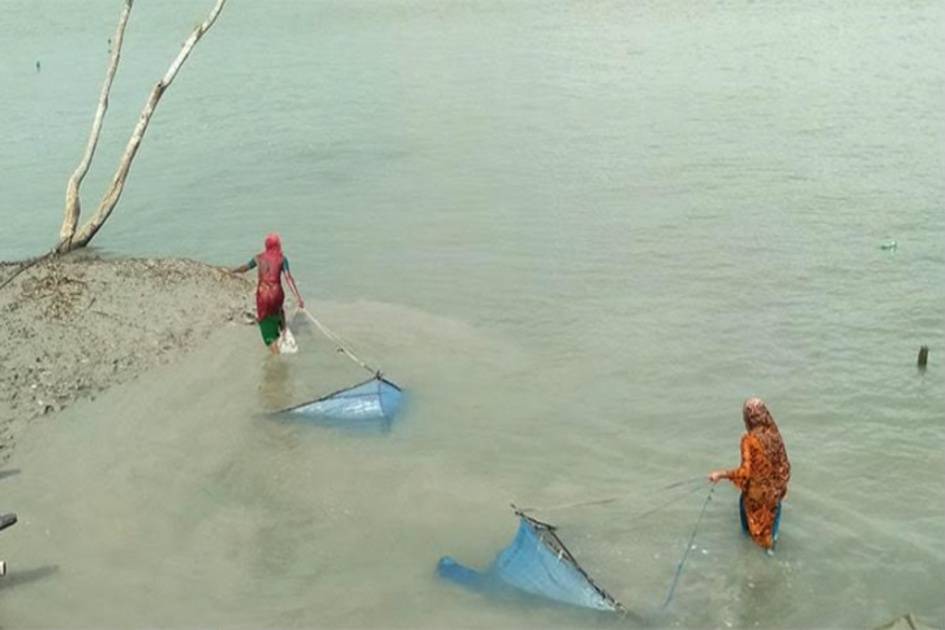
Another study presented at the dialogue highlighted severe reproductive health risks faced by women and adolescent girls in coastal regions.
Nearly half of the surveyed women reported menstrual irregularities, severe pain, abnormal bleeding and complications such as miscarriage, infections and postpartum haemorrhage.
A majority of respondents, 82.5 percent, said limited access to safe water and hygiene facilities significantly worsened their health conditions. Cases of pelvic inflammatory disease and other gynaecological infections were also widely reported.
Call for stronger governance and integrated investment
AKM Sohel, additional secretary and chief of the UN Wing at the Economic Relations Division (ERD), stressed that climate-health integration remains incomplete in national planning, leading to fragmented implementation and weak coordination.
Recommendations from the dialogue included stronger integration of climate and health priorities into the national budget process, improved climate budget-tracking systems, increased investment in surveillance and preparedness and expanded access to domestic climate finance for adaptation.
As Bangladesh moves towards finalising its new fiscal framework, analysts say the central challenge is no longer only the scale of spending but ensuring that health, nutrition, SRHR and climate resilience investments reach the communities most at risk, particularly in a warming and increasingly uncertain environment.




