




A parliamentary special committee has recommended a comprehensive set of reforms to strengthen Bangladesh’s energy security, including expanding strategic fuel reserves to at least three months, accelerating renewable energy adoption and fully digitising fuel supply chains through automated monitoring systems.
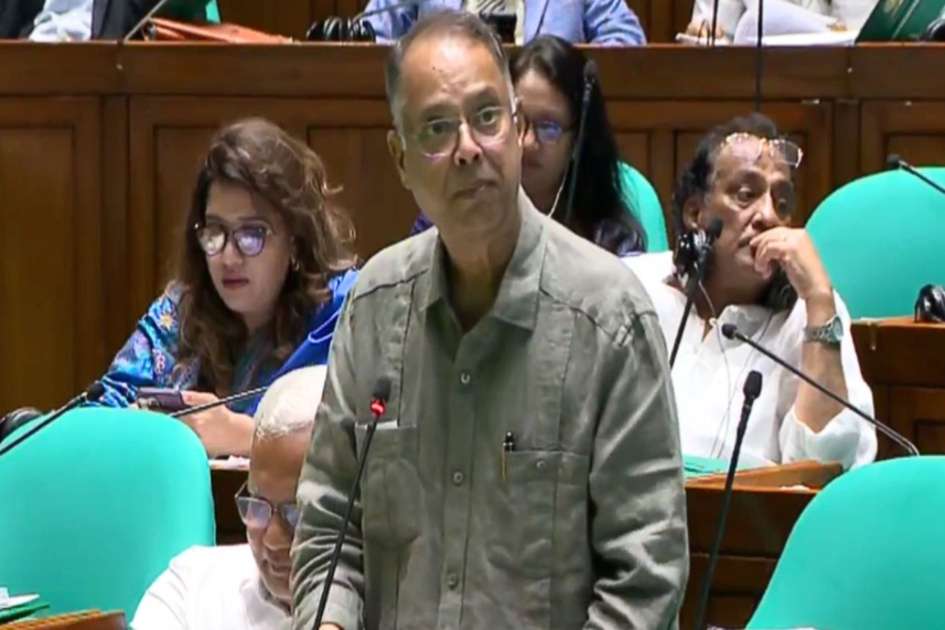
The recommendations were presented in Parliament on Sunday, the opening day of the 13th National Parliament’s budget session. The report was formally tabled by Power, Energy and Mineral Resources Minister Iqbal Hasan Mahmud on behalf of the special parliamentary committee.
The 10-member committee was formed on April 26 to examine Bangladesh’s ongoing energy challenges amid rising import dependence, global price volatility and growing domestic demand. It held two meetings on May 3 and May 19 before finalising its 12-point set of proposals.
Strategic fuel security and diversification
The committee called for expanding the country’s strategic petroleum storage capacity to cover at least three months of national demand. It also urged diversification of import sources to reduce reliance on a limited number of suppliers and improve supply resilience.
Rooftop solar and public accountability
Among the proposals is a push for mandatory rooftop solar installations where feasible, coupled with stronger government oversight to ensure systems remain operational and effective.
Public awareness campaigns on energy conservation were also highlighted as necessary to reduce demand-side pressure, particularly during peak usage periods.
Digitalisation and governance reforms
The report proposes full automation of the fuel supply chain, including digital monitoring systems to improve transparency, efficiency and accountability in distribution and stock management.
It also recommends stronger legal enforcement against illegal fuel stockpiling and cross-border smuggling, alongside measures to reduce system losses across the energy sector.
Infrastructure acceleration
Key infrastructure projects identified for faster implementation include the Dhaka-Chattogram pipeline, the Single Point Mooring (SPM) system and the expansion of Eastern Refinery Limited (ERL-2 expansion project). These are intended to strengthen import-handling capacity and improve fuel distribution efficiency.
Energy transition and diversification
The committee recommends increasing the share of alternative energy sources, including liquefied natural gas (LNG), solar, wind and other renewables, as part of a broader effort to diversify Bangladesh’s long-term energy mix.
Efficiency, private participation and public awareness
The report suggests exploring greater participation by the private sector in fuel import operations, alongside feasibility studies on market reforms to enhance efficiency and supply stability.
Broader policy coordination
The committee further proposes incorporating any additional recommendations from opposition lawmakers into the final report, reflecting an effort to build broader political consensus on energy governance.
Regional and global context
Energy analysts note that the recommendations reflect Bangladesh’s exposure to global energy market fluctuations and rising import costs, alongside increasing domestic demand driven by industrial growth and urbanisation.
Similar energy diversification and efficiency measures are being pursued across South Asia as countries balance short-term fossil fuel dependence with longer-term renewable energy transitions.
Economic and public impact
While largely structural in nature, the proposals come amid continued concerns over energy price stability, supply disruptions and their impact on households, transport costs, inflation and industrial competitiveness.
Experts say improved efficiency and reduced system losses could ease fiscal pressure and help stabilise consumer prices over time.
The committee is expected to finalise its report after incorporating additional inputs before submission.




