

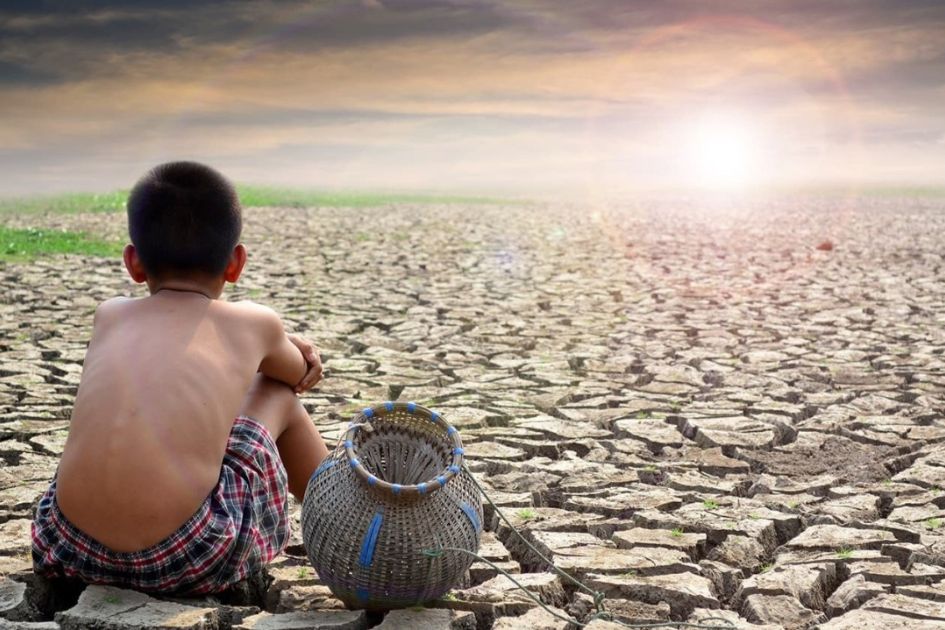



A GED study finds climate risks cost Bangladesh’s agriculture Tk 36,000 crore annually, highlighting major food losses, land pressure, weak systems, and urgent need for mechanisation, insurance and reforms.
Bangladesh’s agriculture sector is losing around Tk 36,000 crore annually due to climate-related risks, according to a recent study by the General Economics Division (GED) of the Planning Commission on agricultural transformation in the country.
The study highlights that alongside climate threats, the sector is also exposed to financial constraints, political challenges, institutional weaknesses, technological gaps and limited implementation capacity.
It found that nearly 16 million tonnes of food are lost every year due to inadequate post-harvest storage and marketing systems, with an estimated value of Tk 28,000 crore. Mango accounts for the largest share of post-harvest losses at 35 percent, followed by onions and vegetables at 25 percent, potatoes at 20 percent and rice at 12 percent.
Rice dominates Bangladesh’s agricultural landscape, covering 75 percent of cultivable land and supplying about 70 percent of the population’s calorie intake. Yield per hectare has increased significantly from 1.7 tonnes in 1971 to 4.8 tonnes in 2023.
The sector employs 45 percent of the country’s total workforce, making it the largest source of employment despite its declining share in GDP. Wages for agricultural labourers have also risen over time, from Tk 300 per day in 2015 to Tk 583 in 2024. However, 99 percent of employment in the sector remains informal.
Urbanisation and industrial expansion are steadily reducing agricultural land, which is shrinking at an annual rate of about 0.5 percent. Bangladesh’s high population density, currently at 1,265 people per square kilometre, is adding further pressure on agricultural resources.
While more than 90 percent of land preparation and irrigation is now mechanised, the use of machinery for planting and harvesting remains limited, the study noted.
To address these challenges, the GED study outlines several strategic priorities. These include promoting underused technologies such as mechanised planting, harvesting and solar irrigation, aligning agricultural loan conditions with harvesting periods and improving farmers’ financial literacy.
It also recommends strengthening oversight to prevent misuse of subsidies, expanding crop insurance to reduce risks, and increasing cold storage facilities for fruits and vegetables beyond potatoes.
The study points to a significant shortage of agricultural extension workers, with one worker currently serving between 900 and 2,000 farmers, compared with the international standard of one per 400 farmers. To meet this benchmark, Bangladesh would require an additional 5,000 extension workers. Many sub-assistant agricultural officers are currently responsible for two to three blocks.
A three-tier model has been proposed to accelerate agricultural transformation. This includes strengthening existing farmer services, expanding access through digital platforms and integrating extension services, agricultural inputs, credit and market support at the upazila and union levels.
The report also stresses the importance of wider technology adoption, crop diversification, improved market systems, climate-resilient farming practices and effective monitoring of agricultural research.




