

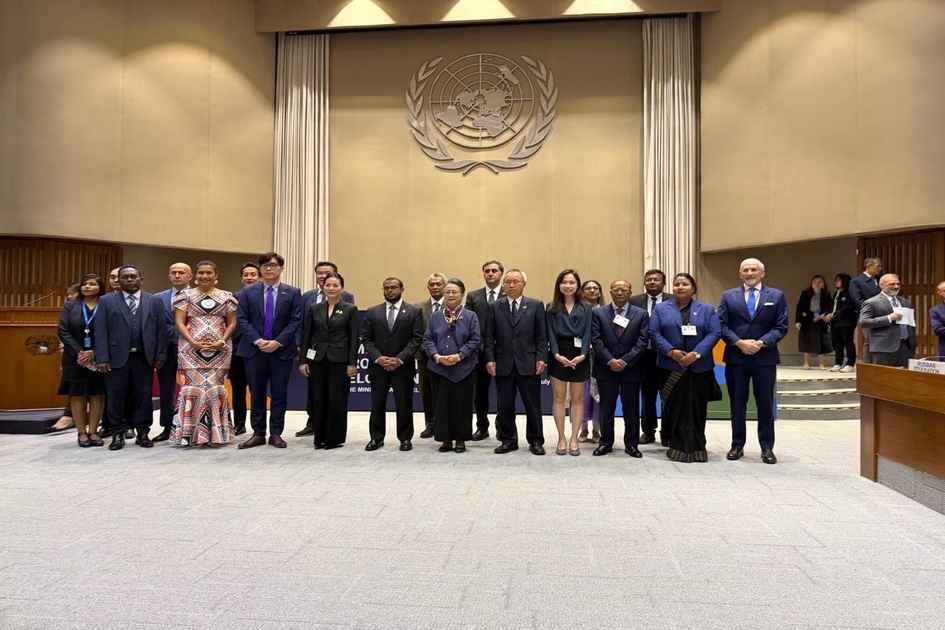



Bangladesh used ESCAP CED9 in Bangkok to spotlight blue carbon finance, mangrove conservation and regional cooperation to strengthen climate resilience for vulnerable coastal communities across Asia and the Pacific.
Bangladesh‘s Environment, Forest and Climate Change Minister Abdul Awal Mintoo is in Bangkok to attend the Ninth Session of the Committee on Environment and Development (CED9), a major regional platform convened by the United Nations Economic and Social Commission for Asia and the Pacific (ESCAP).
As part of the high-level engagements, the minister is participating in the associated event, “Accelerating Integrated Climate Action in Asia and the Pacific: Regional Cooperation for Blue Carbon Finance,” being held at the United Nations Conference Centre (UNCC) from July 2 to 3.
The forum brings together ministers, international experts and key stakeholders to explore urgent pathways for scaling up investment in blue carbon ecosystems, including mangroves and seagrass meadows, which are essential for climate mitigation, biodiversity conservation and strengthening coastal resilience across the Asia-Pacific region.
Bangladesh, home to the globally significant Sundarbans mangrove forest, plays a central role in these discussions, particularly on ecosystem valuation, carbon accounting and innovative climate finance mechanisms that recognise the true economic and ecological value of nature-based solutions.
The event also marks the launch of a new regional learning and exchange initiative under the Landscape Alliance’s Blue Carbon Deck, aimed at strengthening capacity building, policy coordination and knowledge sharing among member states working to protect coastal and marine ecosystems.
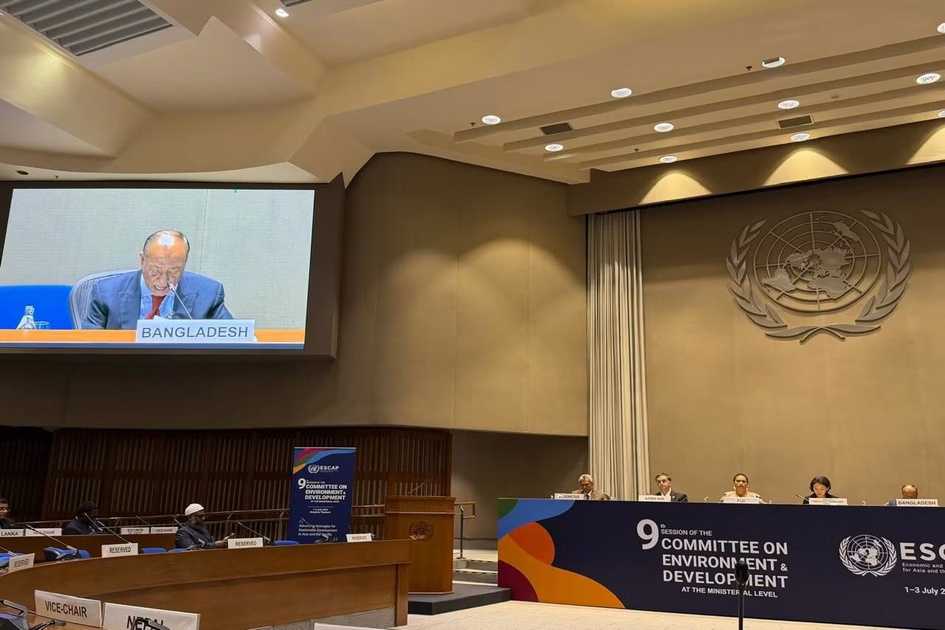
As the Asia-Pacific region continues to experience one of the world’s fastest rates of mangrove loss, Minister Mintoo’s participation underscores Bangladesh’s commitment to advancing stronger financial and policy frameworks to protect these critical natural defences, which safeguard millions of people living in vulnerable coastal areas.
The discussions also reflect a growing shift in climate action, recognising coastal and riverine communities not only as beneficiaries of climate interventions but also as frontline partners and holders of valuable local knowledge for delivering effective nature-based solutions.
The conference is expected to advance collaborative strategies to address key barriers to blue finance, including carbon rights, governance structures and equitable benefit-sharing mechanisms, with the goal of placing nature-based solutions at the centre of climate resilience and sustainable development across the region.




