

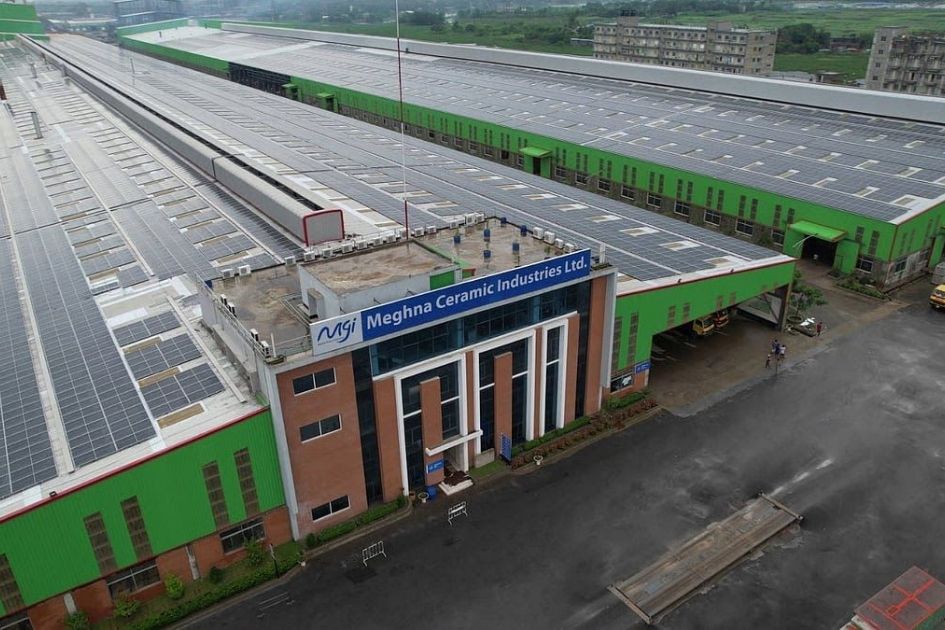



Bangladesh weighs a Tk10bn funding shift for solar expansion as officials seek faster renewable capacity, private investment and rooftop systems to ease mounting power shortages.
Bangladesh is considering shifting Tk10 billion (approximately $85 million) from a budget allocation originally earmarked for poverty alleviation programmes to finance solar power expansion as it searches for an immediate solution to persistent electricity shortages ahead of next summer’s peak demand.
The proposal follows a Finance Division plan submitted to Prime Minister Tarique Rahman outlining short, medium and long-term measures to address the country’s growing energy challenges.
Government sources said the Prime Minister may place the plan before Parliament during the ongoing session.
The move comes as Bangladesh’s electricity system faces increasing pressure from gas shortages, higher fuel import costs and supply disruptions. The country’s reliance on imported fuels and conventional power generation has increased exposure to global fuel price volatility and supply disruptions.
The proposed shift would mark an effort to use existing public funds for a faster renewable energy response rather than waiting for longer-term infrastructure projects.
Tk10bn allocation under review
The government allocated around Tk20 billion in the current budget for state-backed organisations involved in microcredit and poverty alleviation programmes.
Amid continued pressure on electricity supply, the Finance Division has been asked to explore whether Tk10 billion from that allocation can be redirected to support clean energy generation, particularly rooftop solar systems.
Finance Division Secretary Dr Md Khairuzzaman Mozumder said the use of the funds for solar power generation would be finalised at a meeting next week.
“We have been asked to find out other sources as well to finance solar power generation,” he said.
The government is seeking measures that can increase electricity availability before next summer, when demand is expected to rise significantly.
“We could not find out any other short-term solution to the power crisis,” a senior Finance Division official said.
Power Division seeks 5,000MW renewable capacity
Following instructions from the Prime Minister, Power Division officials recently held discussions with private renewable energy producers and sought their cooperation to rapidly expand clean power generation.
At the meeting, officials requested renewable energy companies to help generate at least 5,000MW of electricity, mainly from solar sources.
The figure represents an immediate industry target discussed with producers and does not mean the full capacity has already been approved, financed or contracted.
Renewable energy producers called for financial support, duty reductions and regulatory reforms to accelerate investment.
Mostafa Al Mahmud, president of the Bangladesh Sustainable and Renewable Energy Association, said clean energy companies had submitted proposals to help address the electricity shortage.
“The main barrier to increasing renewable power generation is the 40 to 50 percent duty at the import stage that applies almost across the board. That is a major hurdle,” he said.
Although the government has announced duty waivers for some renewable energy equipment, Mahmud said technical requirements and regulatory procedures continue to slow expansion.
“We urged them to remove duties for all so that whoever wants to install solar systems, whether at home or in factories, can get them at low costs,” he said.
He also called for incentives to encourage households and businesses to adopt renewable power.
“Without an incentive programme, why would people switch? People can’t afford the current costs,” he said.
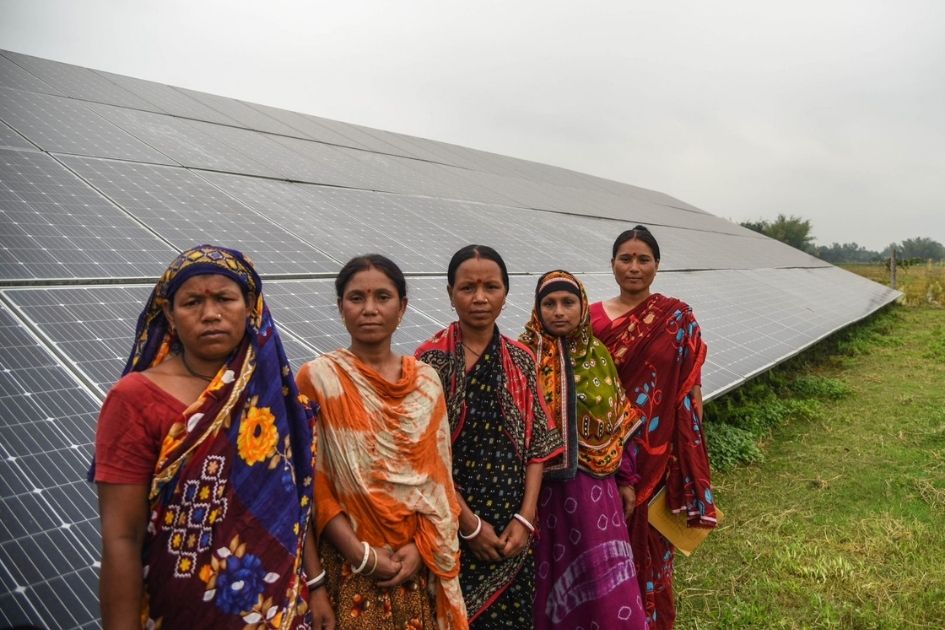
Rooftop solar market opens to private investment
As part of the wider renewable expansion plan, the government is opening the rooftop solar market to private investment, targeting up to 4,000MW of rooftop solar installations within one year.
The initiative forms part of Bangladesh’s broader strategy to generate 20 percent of electricity from renewable sources by 2030.
Under the proposed model, private investors will finance solar installations while consumers use the electricity generated.
Industry representatives said the programme’s success would depend on affordable financing, easier approvals and a stable investment framework.
Masudur Rahim, chief executive officer of Omera Solar, said investors needed confidence that rooftop solar projects would be financially viable.
“If these issues are finalised quickly and a predictable policy framework is put in place, private-sector investment will increase significantly,” he said.
The government is also considering changes to net-metering rules to encourage larger rooftop solar systems and allow consumers to supply surplus electricity to the national grid.
The success of the plan will depend on how quickly financing, approvals and grid integration challenges can be resolved.
Renewable capacity gap remains challenge
Bangladesh currently has around 1,825MW of installed renewable energy capacity, including solar and other renewable sources, according to officials.
The country’s total installed power generation capacity stands at around 29,593MW, while actual peak-hour generation remains between 13,600MW and 15,400MW.
The gap between installed capacity and actual output reflects continuing challenges related to fuel availability, plant efficiency and system constraints.
Sector analysts say solar expansion alone cannot immediately replace conventional power sources. Stronger transmission networks, electricity storage capacity and flexible grid management will be needed to integrate larger volumes of renewable energy.
The government’s renewable strategy envisages 5,500MW of rooftop solar and 4,500MW of ground-mounted solar, alongside wind, waste-to-energy and other renewable technologies, to achieve the 2030 target.
The immediate 5,000MW renewable request, the one-year 4,000MW rooftop solar programme and the broader 10,000MW renewable capacity goal represent different stages of Bangladesh’s clean energy expansion.
The challenge now is whether Bangladesh can turn ambitious renewable targets into actual electricity supply before shortages intensify next summer while ensuring affordability, grid stability and investor confidence.




