

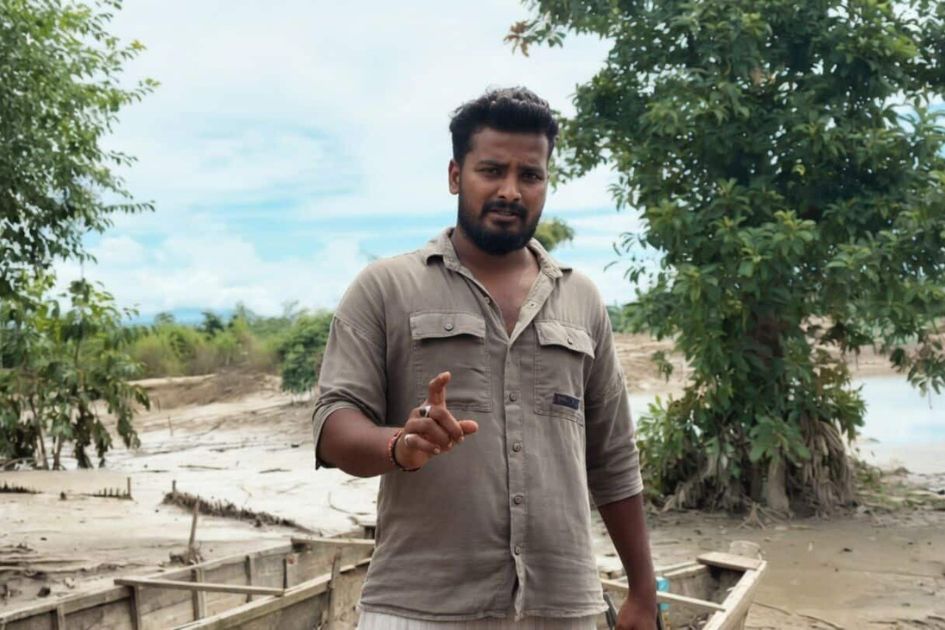



After losing his own home, Shravan Kumar joined village volunteers navigating dangerous currents across five villages, underscoring the importance of community preparedness in flood-prone Assam.
While rising waters swallowed villages across Assam, a daily wage worker became a lifeline for thousands, rescuing around 2,000 people with small boats, local knowledge and determination.
Shravan Kumar, a labourer from Assam’s flood-affected region, was among the first people to respond when the Dikhow River overflowed its banks on July 19. Without any formal rescue training, he joined hands with fellow villagers and worked day and night to evacuate families trapped by the disaster.
His own home was among those destroyed by the rising waters. After moving his family to safety, Shravan returned to the flooded villages and continued rescuing others, watching his belongings disappear while helping neighbours survive.
“Every family should have at least one person who knows how to swim,” Shravan said after the rescue operation. “During floods, this basic skill can become the difference between life and death.”
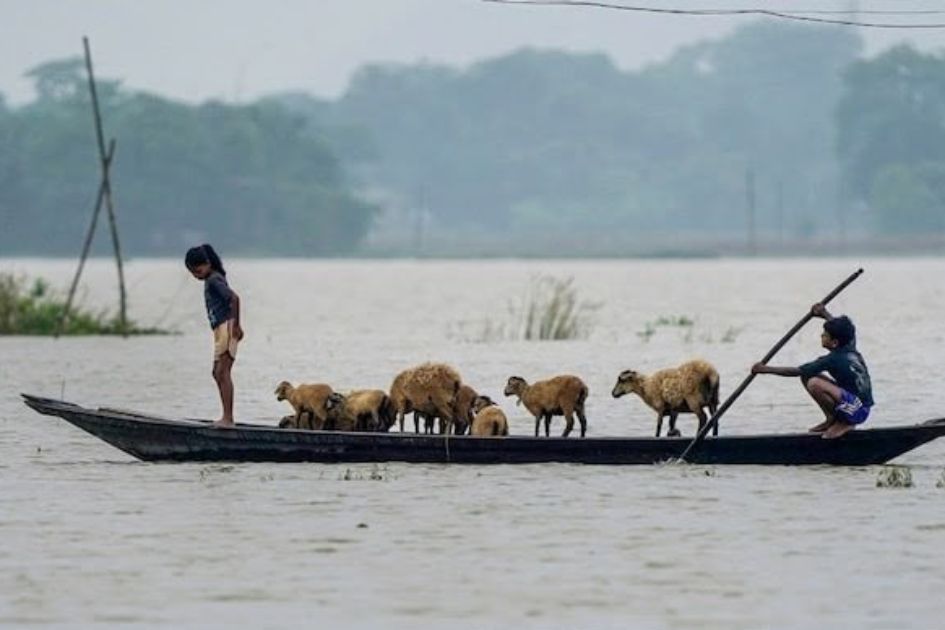
Photo: PTI
Assam’s recurring battle with rising waters
Assam, a northeastern Indian state located in the Brahmaputra River basin, faces seasonal flooding almost every year. Millions of people live along rivers connected to the Brahmaputra system, making communities highly vulnerable to rising water levels, displacement and damage to livelihoods.
The latest disaster has once again highlighted how local residents often become the first responders before government rescue teams arrive.
On July 19, around 3 am, while most residents were asleep, Shravan went to the banks of the Dikhow River after noticing that the water level had risen dangerously close to the embankment.
Within hours, his fears became reality. Floodwaters entered nearby villages, covering roads, agricultural land and homes. Electricity and communication networks were disrupted, leaving many communities isolated.
Families were trapped inside houses, with some forced to take shelter on rooftops. Children cried for help, while elderly residents waited for rescue.
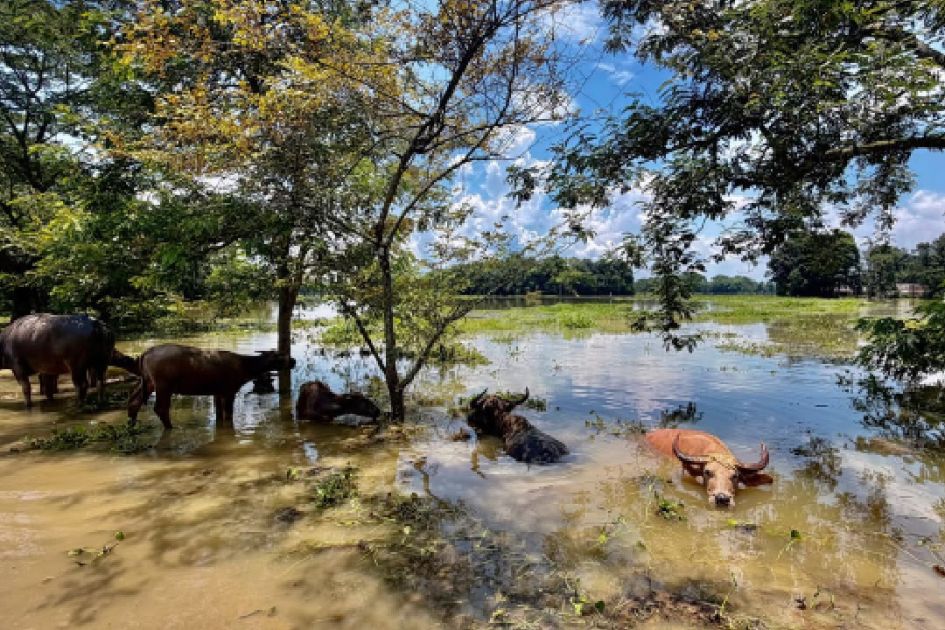
Community volunteers lead rescue efforts
After ensuring his own family’s safety, Shravan joined a group of local volunteers to launch a community-led rescue operation using six small boats.
The team included Rajkumar Rajgarh, Mamu Das, Ravi Rajgarh, Mitu Chowdhury, Anand Majhi and Dipak Chowdhury. Together, they moved from house to house across five villages, carrying stranded residents to safer locations.
Their rescue efforts took them through dangerous currents where even experienced boat operators hesitated to travel.
“We reached places where the water currents were extremely dangerous. Even experienced boatmen were afraid to enter those areas,” Shravan said. “Unfortunately, eight people lost their lives before we could reach them.”
The team’s efforts helped around 2,000 people escape the disaster, showing how local communities can become the first line of defence during emergencies.
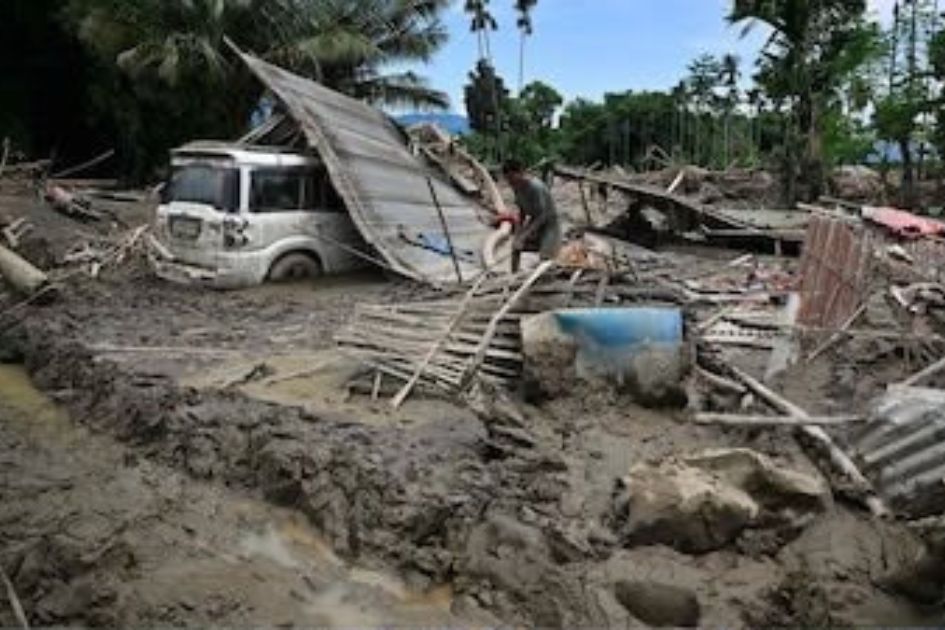
Photo: AFP
A lesson in disaster preparedness
Shravan’s experience has renewed calls for stronger community preparedness in flood-prone regions. Swimming education, early warning systems, local rescue training and long-term climate adaptation measures can help reduce loss of life during disasters.
Across South Asia, climate change is intensifying concerns over extreme rainfall, river flooding and displacement, increasing pressure on communities already living in vulnerable areas. While individual disasters cannot be linked solely to climate change, changing weather patterns are adding new challenges for disaster management.
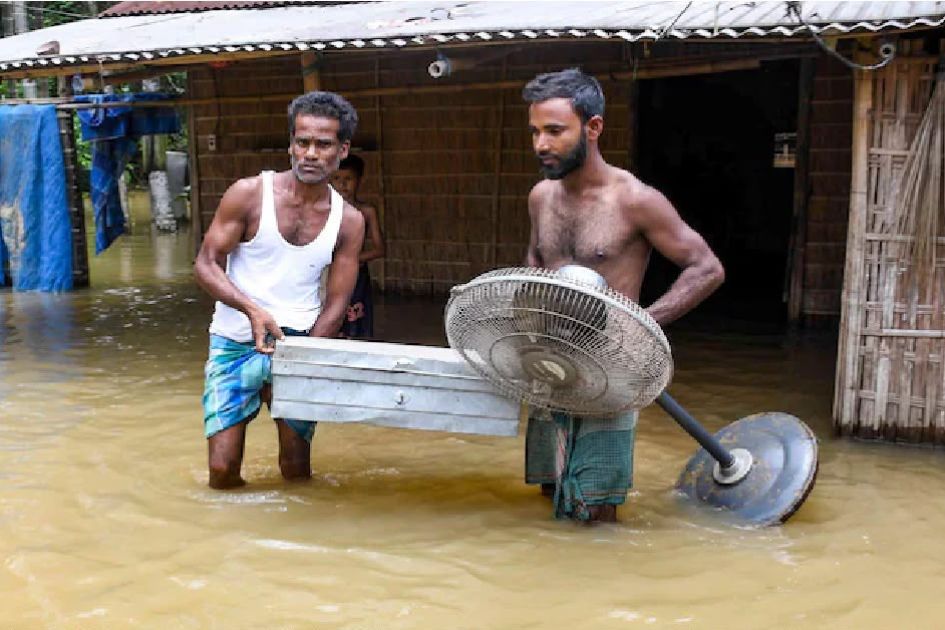
Unlike the predictable annual floods of Lower Assam, this sudden flash flood from the Naga Hills caught residents entirely off guard, washing away entire villages and leaving communities struggling to rebuild from the ruins. Photo: AFP/PTI
Thousands affected as Assam begins recovery
The Assam floods have affected hundreds of thousands of people across the state. According to disaster management authorities, at least 75 people have died, while more than 330,000 residents have been affected across seven districts, including Sivasagar, Charaideo, Golaghat, Jorhat, Nagaon, Sonitpur and Kamrup Metropolitan.
More than 600 villages have been affected, with around 45,000 hectares of agricultural land submerged. Schools, colleges and childcare centres have also suffered damage, while many families returning home have found their houses covered in mud and debris.
Thousands of displaced residents remain in relief camps as rescue and recovery operations continue with support from government agencies, emergency responders and local volunteers.
The Assam government has announced financial assistance for families who lost loved ones and emergency support for severely affected households.
For Shravan Kumar, the flood left behind a simple message: preparedness begins before disaster arrives. In vulnerable communities, knowing how to swim is not just a life skill. It can be a survival skill.




