

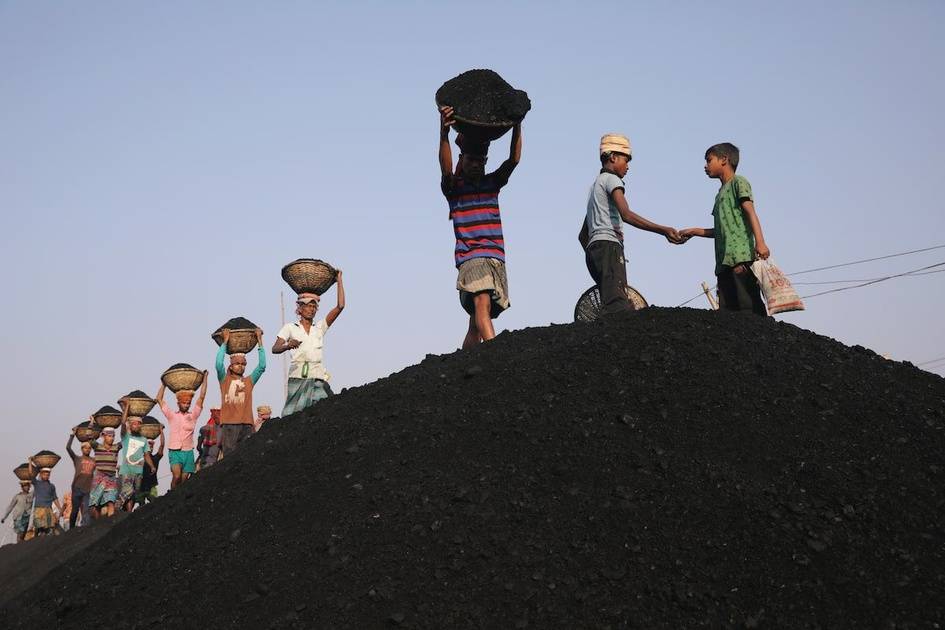



Asian nations increase coal use to manage energy shocks from Iran crisis, exposing climate risks while analysts say it could accelerate long-term investment in renewable, secure and affordable power systems.
Asian countries are increasingly relying on coal to cope with energy shortages and rising prices triggered by the recent US-Israel attack on Iran. While this surge in coal use raises emissions in the short term, experts say it may ultimately accelerate the shift toward renewable energy in the region.
The energy crisis has hit Asia hard as most countries are heavily dependent on imported oil and liquefied natural gas (LNG). More than four out of every five barrels of crude oil and LNG passing through the Strait of Hormuz are destined for Asia. Pakistan, India and Bangladesh are major importers of LNG from Qatar, which recently reported a 17 percent drop in export capacity due to attacks on Iranian infrastructure. Qatar warned it may be forced to declare force majeure on some long-term contracts for up to five years, highlighting the fragility of the region’s energy supply.
In response, countries are turning to coal, which can be sourced locally or regionally. South Korea has lifted restrictions on coal power generation, Thailand is preparing to restart two previously decommissioned coal units, India is substituting coal for cooking gas and the Philippines plans to increase coal use alongside domestic natural gas and renewable energy, according to Energy Secretary Sharon Garin. The move helps prevent blackouts and shields households from sudden price spikes.
“The ongoing Iran oil and gas crisis shows the importance of having domestic energy sources that are not exposed to global commodity markets, which coal is,” said Amy Kong, a research analyst at Zero Carbon Analytics. Countries like Vietnam, which have rapidly expanded solar power, are better insulated from energy price shocks.
While coal provides a short-term solution, it comes with serious environmental and health costs. “This shift will impose substantial environmental and public health impacts,” said Dinita Setyawati, a senior energy analyst at Ember. Coal is a major contributor to greenhouse gas emissions and air pollution, making the immediate gains a serious climate and health concern.
The crisis also calls into question the reliability of LNG as a “transition fuel.” Upfront costs for LNG plants can be lower than renewable projects but renewable energy offers long-term stability and supply security. “The story of gas as a stable transition fuel is highly in question,” said Putra Adhiguna, managing director at the Energy Shift Institute.
Although temporary increases in coal capacity may help meet immediate energy demand, banks remain cautious about financing new coal projects due to the risk of stranded assets as nations phase out fossil fuels. Analysts believe the current crisis could strengthen policymakers’ focus on renewables, particularly in Southeast Asia, where energy security concerns are prompting renewed investment in solar and wind power.
“The debate about upfront costs for renewables is now being outweighed by supply security issues,” Adhiguna added. “This crisis may ultimately accelerate the shift to cleaner and more reliable energy sources, protecting both people and the planet in the long run.”
Analysts believe the current crisis could accelerate investment in solar, wind and other renewable sources across Southeast Asia, turning a temporary emergency into an opportunity for a cleaner Energy future.
Sohanur Rahman, Executive Coordinator of YouthNet Global, said, “Relying on coal to solve short-term energy crises may keep the lights on today but it worsens climate risks and health impacts for millions. The current situation shows why investing in renewable energy is not just a climate priority, it is essential for energy security and public wellbeing.”




