

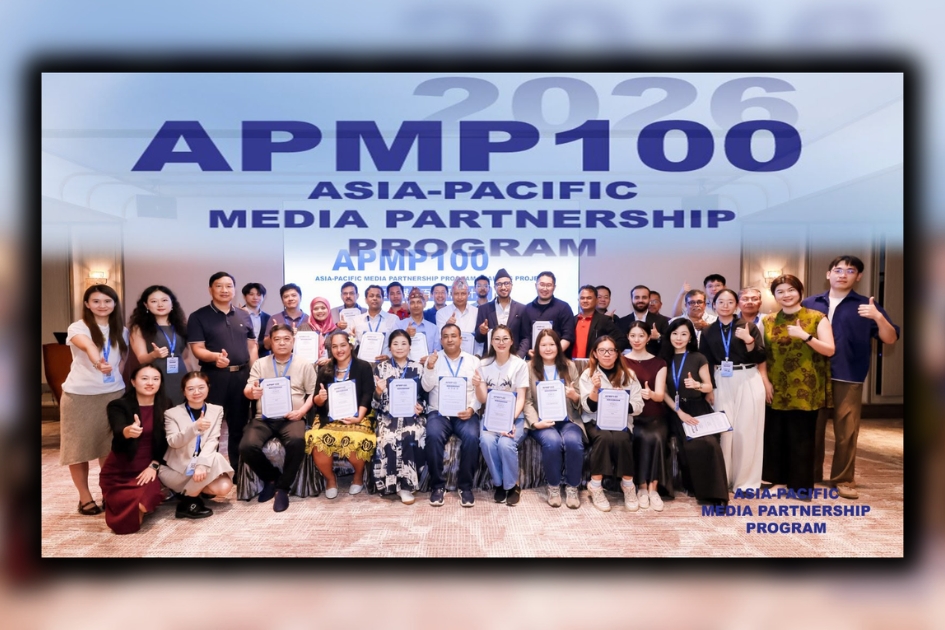



Journalists from 12 Asia-Pacific countries explored digital innovation, sustainability reporting and cross-border communication while building professional ties during the Shenzhen training.
Journalists from across the Asia-Pacific region gathered in Shenzhen for the three-day Asia-Pacific Media Partnership Programme (APMP) Training Project Phase 2, combining newsroom learning, practical field visits, digital and AI-focused training, professional exchanges and discussions on strengthening media cooperation across the region.
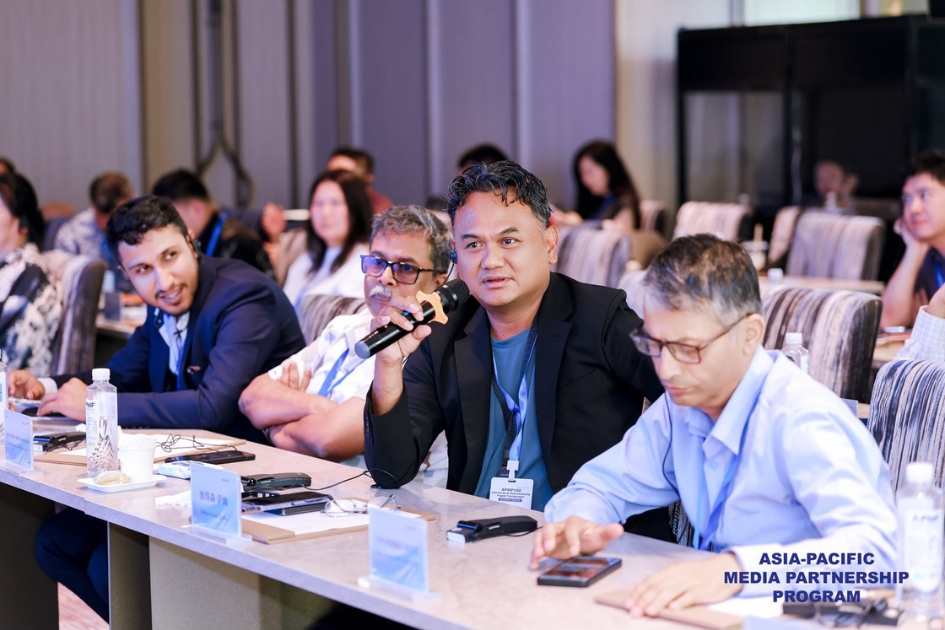
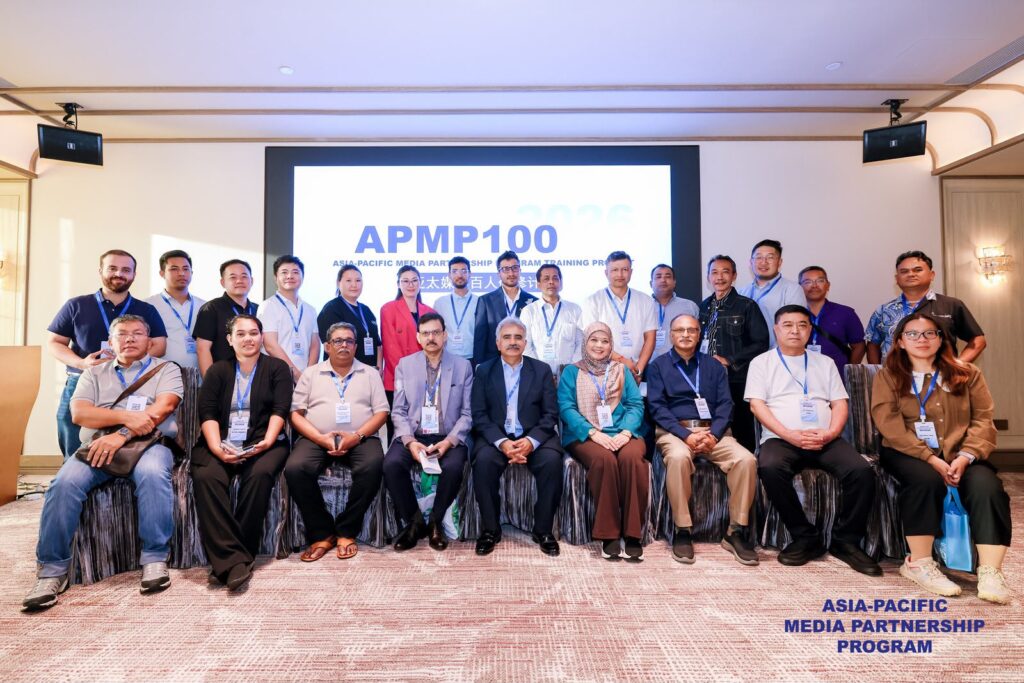
Held from September 6 to 8, the programme brought together 27 media professionals from Asia-Pacific news organisations under the theme “Digital and Intelligent Technologies Empower Urban International Communication.” The programme was structured around thematic lectures, question-and-answer sessions, group discussions, task-based content creation, enterprise visits and professional exchanges. English simultaneous interpretation was provided throughout the programme.
The participants included journalists and senior media professionals from Bangladesh, Cambodia, Indonesia, Malaysia, Micronesia, Mongolia, Nepal, Pakistan, the Philippines, Sri Lanka, Vietnam and the Solomon Islands.
The second cohort of the APMP training opened with sessions examining civilizational exchange, Asia-Pacific communication narratives and the role of technological innovation in international communication. A thematic lecture focused on the international communication and public relations practices of Chinese technology companies, while another explored AIGC and transcultural practices in China’s cultural industries. The sessions were followed by group discussions and practical assignments.
The training placed a strong emphasis on turning classroom learning into practical journalistic work. Participants received task cards at the opening and were encouraged to record observations, interview notes and creative ideas throughout the programme. The assignments asked them to consider how exchanges among civilizations could be developed into Asia-Pacific narratives and how international communication strategies could remain credible and effective in an increasingly digital environment.
Participants were also asked to examine the role of sustainability reporting, technology and urban innovation in international journalism. The task card specifically linked the CGN conference to coverage of environmental, social and governance issues and asked journalists to consider how such issues relate to cooperation and shared development across APEC economies.
A major part of the field-learning programme came on September 7, when the journalists attended the CGN Global Sustainable Development Conference in Shenzhen before visiting Insta360. The APMP handbook scheduled the conference from 8:30 a.m. to 11:30 a.m., followed by lunch and the Insta360 field visit in the afternoon.
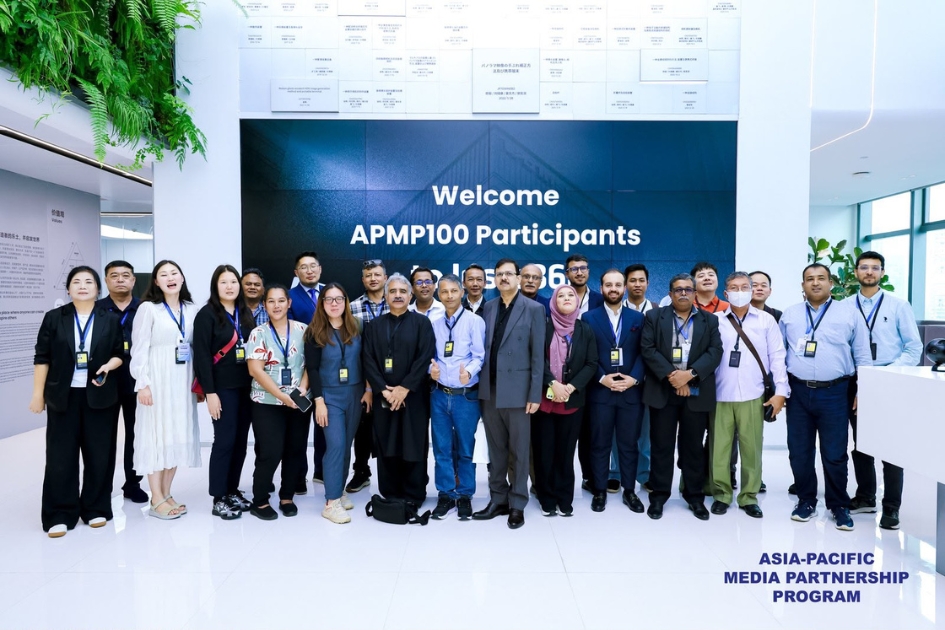
The CGN conference provided participants with exposure to international discussions on clean energy and sustainable development. Held at Huaxia Hall of the Wuzhou Hotel in Shenzhen, the event brought together representatives from 14 countries and showcased China General Nuclear Power Corporation’s projects across Asia, Europe, Africa and Latin America. Presentations covered nuclear, solar, wind and gas-fired energy projects as well as international cooperation, technological development and the role of energy investment in local economies and sustainable development.
For the APMP participants, the conference also served as a practical reporting environment connected directly to their training assignments. The programme handbook asked journalists to reflect on how environmental, social and governance issues could be communicated in ways that demonstrate their relevance to regional cooperation and shared development.
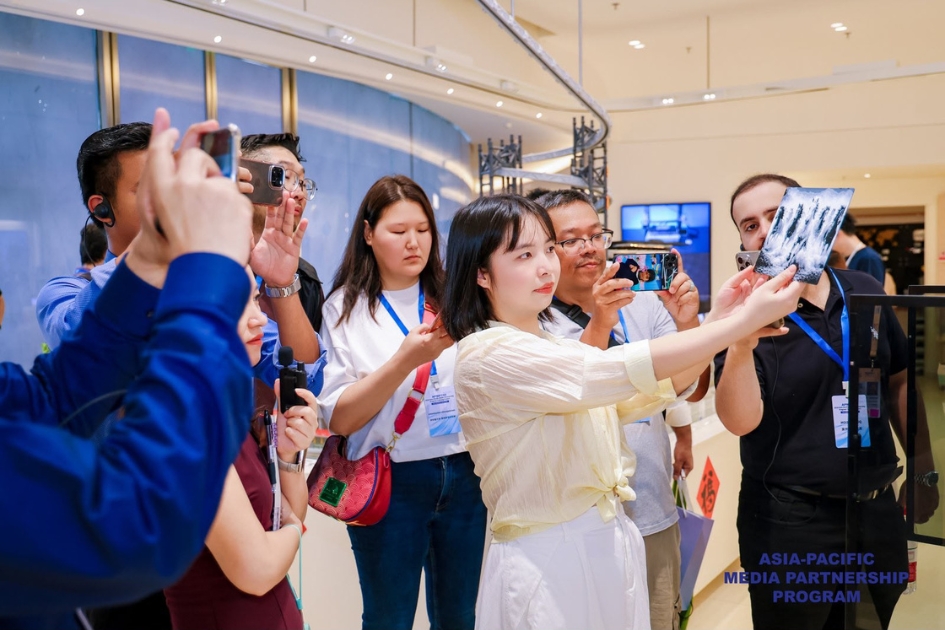
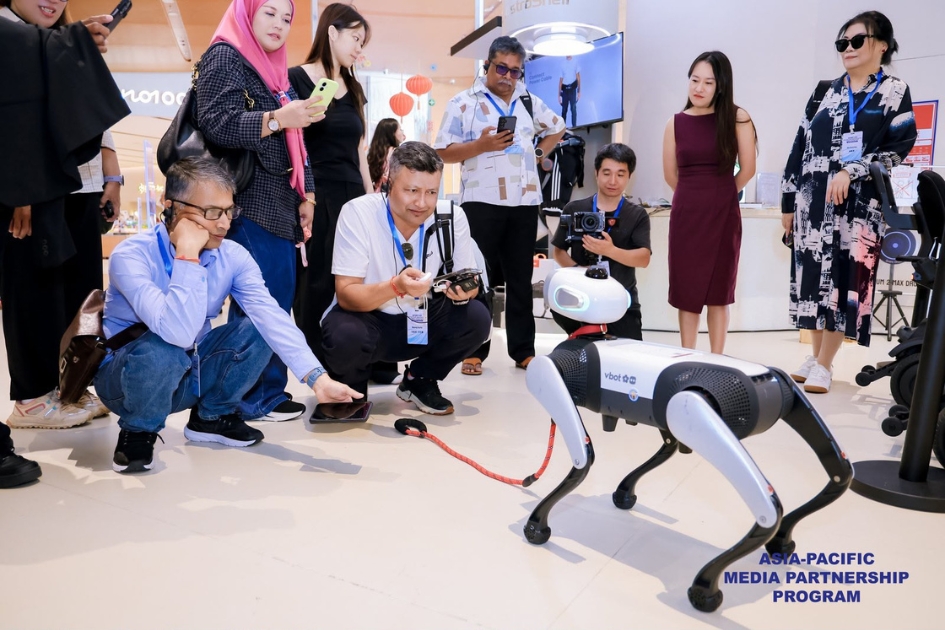
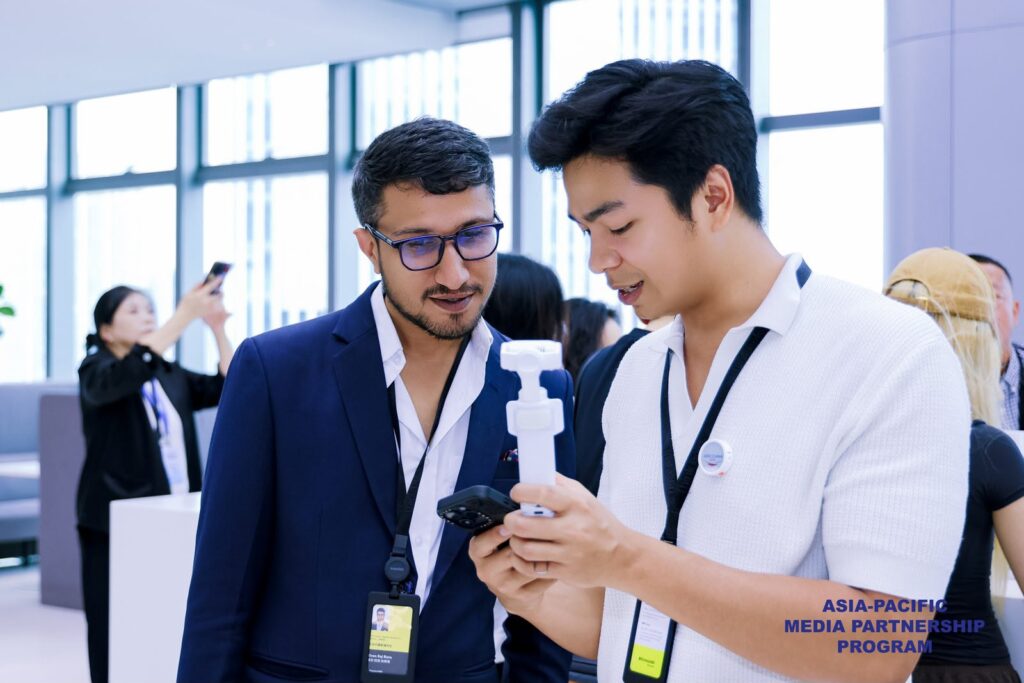
The visit to Insta360 formed another important part of the field-learning component. The journalists visited the Shenzhen headquarters of Insta360 and took part in a featured product experience. The programme specifically asked participants to identify what demonstrated how a Chinese technology company could build a global brand and connect with international audiences.
The field visits complemented the programme’s focus on the relationship between technology and international communication. Rather than limiting the training to lectures, participants were given opportunities to observe technology, urban development and corporate communication in practice and to develop potential stories from their experiences.
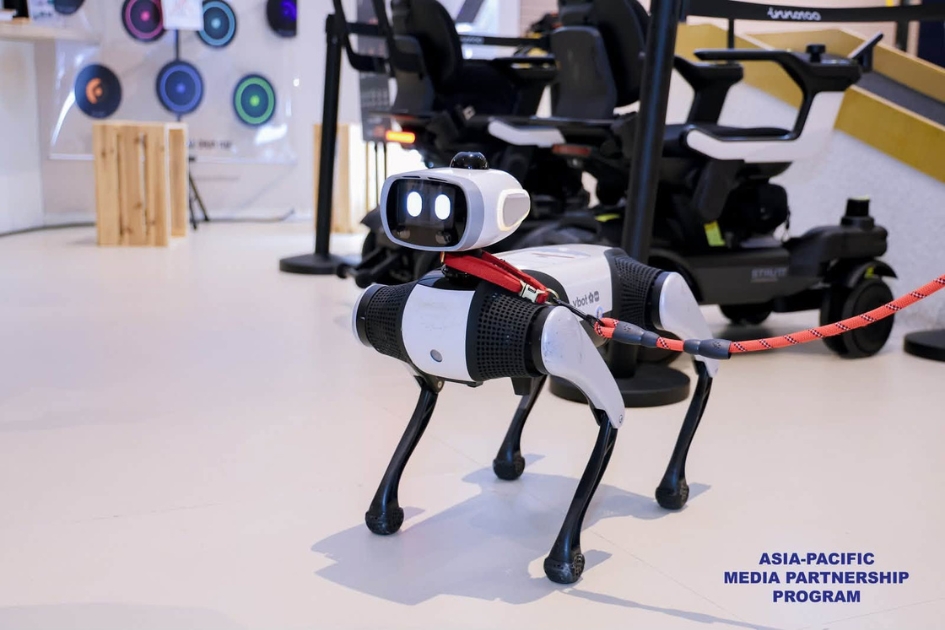
The final day expanded the practical component further. Participants took part in a walking tour of Shenzhen Bay Talent Park focused on city and urban technology, visited the INNO100 Global Innovation Flagship Store and the Bambu Lab 3D Printing Flagship Store at Shenzhen Bay MixC. They then joined an in-depth thematic seminar and group discussions before the closing ceremony, awards presentation and dinner.
The seminar provided a platform for participants to share selected observations and creative work developed during the programme. The handbook states that the overall assessment considered completion of the task card, participation in the September 8 seminar and the quality of participants’ final submissions. Journalists were encouraged to develop news reports, short videos and other multimedia work based on lectures, field visits and interviews.
The closing ceremony was attended by Mr Peng Yaojiu and Ms Yan Lin from the Publicity Department of the Nanshan District Committee of the Communist Party of China (CPC). Mr Yang Lei, General Manager of Xinhuanet North America Corporation, was also present. Yuqi Yuan from Xinhuanet moderated the training programme throughout its three-day run.
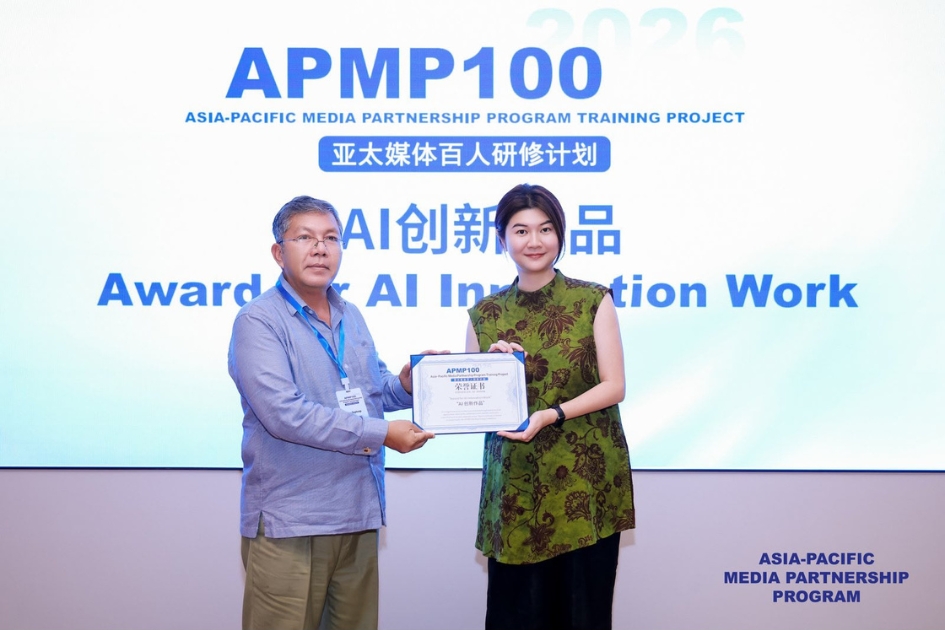
The closing ceremony also recognised participants for their communication and digital-content work. The programme’s award structure included the Grand Prize for Outstanding Participant and nine Excellence Awards divided into three categories: “Outstanding Communication Work,” “Insightful Observation Work” and “AI Innovation Work.” The AI Innovation Work category recognised innovative AIGC, short-video and digital-creation work, while Outstanding Communication Work recognised work with notable overseas communication influence.
The awards were part of a wider assessment of participants’ engagement with the programme. The handbook said the nine Excellence Awards would recognise outstanding original work published through participants’ own social media accounts, with evaluation also considering task-card completion, participation in the final seminar and the quality of final submissions. A Participation Award was also available for those who completed the full programme and submitted the required task card and supporting materials.
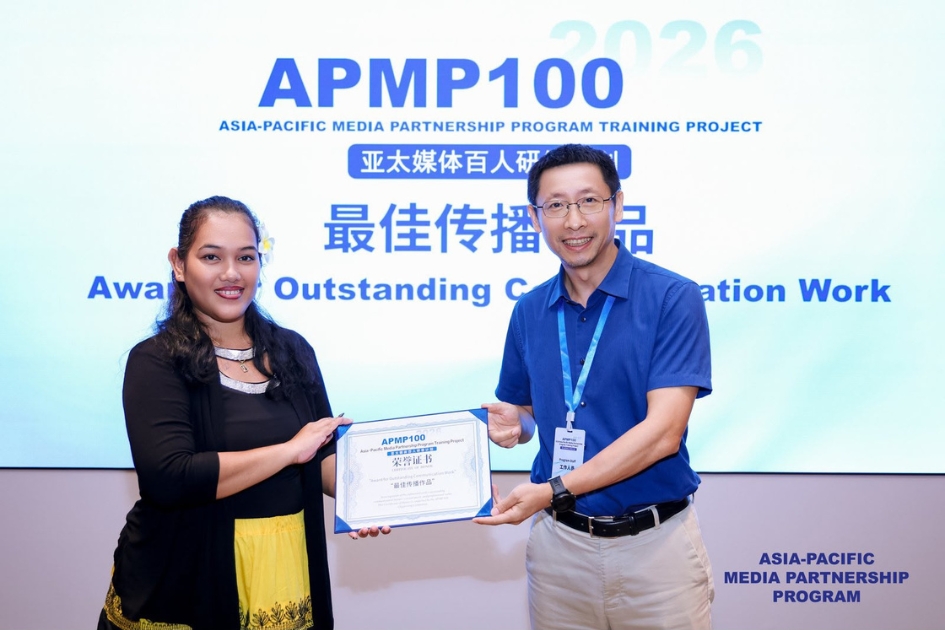
Certificates were distributed to participating journalists as part of the programme’s recognition system. Official certificates accompanied the Grand Prize and Excellence Awards, while participants eligible for the Participation Award also received official certificates.
Participants expressed positive views about the training and highlighted the value of bringing journalists from different media organisations and countries together for direct professional exchange. They also emphasised the importance of organising more training programmes and field visits to create continued opportunities for journalists and newsrooms to learn from one another, develop professional relationships and strengthen media cooperation across the Asia-Pacific.
The programme’s broader objective was to connect media professionals around the opportunities and challenges created by digital and intelligent technologies. Its closing note describes the initiative as a platform for media professionals across the Asia-Pacific to explore how digital-intelligent technology can empower urban international communication in the context of APEC regional cooperation. It also emphasises the potential for the connections established in Shenzhen to contribute to future reporting, mutual understanding and further media exchange and cooperation.
By combining thematic learning with field reporting, technology-focused visits, sustainability discussions, multimedia assignments and professional networking, the three-day APMP Phase 2 training gave journalists an opportunity to examine emerging tools and communication practices while building connections across diverse Asia-Pacific newsrooms.




