

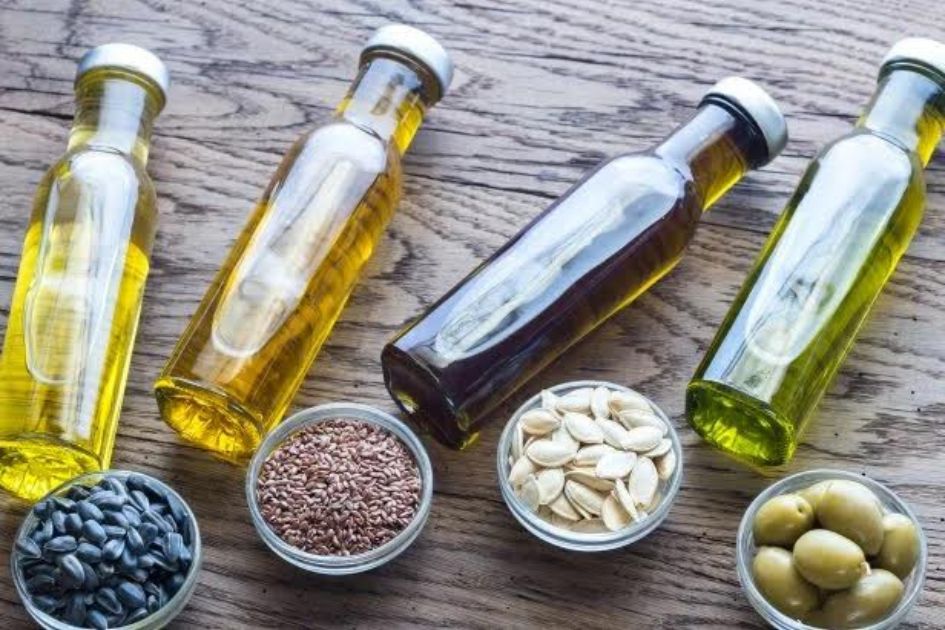

Bangladesh’s heavy dependence on imported edible oil is draining foreign reserves, prompting calls for stronger investment in domestic oilseed production, farmer support and modern processing to ensure long-term food security.
Bangladesh cannot claim true food security while remaining dangerously dependent on imported edible oil. Although the country has achieved remarkable progress in rice production and staple food availability, the edible oil sector continues to expose a deep structural weakness in the agricultural economy. Every year, billions of dollars leave the country to meet domestic demand for vegetable oil, creating a silent but serious burden on foreign currency reserves and national economic stability.
According to recent estimates from the SAARC Agriculture Centre (SAC) and the Bangladesh Bureau of Statistics (BBS), Bangladesh currently imports more than 70 percent of its edible oil requirement, costing the nation over USD 2.89 billion annually. In a period marked by global market instability, geopolitical tensions and unpredictable supply chains, such heavy dependence on foreign imports is not merely an economic concern. It is a strategic vulnerability.
Bangladesh continued to spend heavily on edible oil imports in FY 2024-25, with total expenditure on palm oil and soybean oil reaching Tk 56,315 crore, according to Bangladesh Bureau of Statistics (BBS) data. Of the total import bill, soybean oil accounted for Tk 33,361 crore, representing nearly 59 percent of total spending, while palm oil imports cost Tk 22,954 crore, or about 41 percent. The figures highlight the country’s persistent dependence on imported edible oils to meet domestic demand.
The statistics show a significant shift in import patterns compared with FY 2023-24. Expenditure on palm oil imports declined by 31.4 percent, falling from Tk 33,461 crore to Tk 22,954 crore. In contrast, spending on soybean oil surged dramatically by around 150 percent, rising from Tk 13,329 crore to Tk 33,361 crore. Industry observers attribute the increase largely to higher import volumes and fluctuations in international prices.
Monthly data reveal that soybean oil imports reached their highest value in March 2025, when Bangladesh spent Tk 5,018 crore, followed by Tk 3,031 crore in January. Palm oil imports peaked in February 2025 at Tk 3,930 crore, with January recording the second-highest monthly expenditure of Tk 3,033 crore.
The trend has continued into the current fiscal year. In July 2025, the first month of FY 2025-26, Bangladesh spent approximately Tk 4,912 crore on edible oil imports. Palm oil accounted for Tk 3,812 crore, while soybean oil imports were valued at Tk 1,100 crore. Palm oil alone represented nearly 78 percent of the month’s total edible oil import expenditure, indicating a stronger reliance on palm oil to meet domestic consumption needs.
The challenge is not rooted in a lack of agricultural potential. Bangladesh possesses fertile land, experienced farmers and a strong agricultural research infrastructure. The real problem lies in policy priorities, weak market systems and decades of underinvestment in the oilseed sector. While rice cultivation has consistently received strong institutional support, oilseed crops have remained confined to marginal lands with limited incentives and poor technological support.
Research institutions such as the Bangladesh Agricultural Research Institute (BARI), the Bangladesh Institute of Nuclear Agriculture (BINA) and agricultural universities have already developed several high-yielding, climate-resilient oilseed varieties capable of significantly increasing domestic production. Short-duration mustard varieties, including BARI Sarisha-14, 15 and 17, have demonstrated that oilseed cultivation can successfully fit into existing rice-based cropping systems without threatening national grain security.
This innovation is particularly important for Bangladesh, where expanding agricultural land horizontally is almost impossible. The future therefore depends on vertical expansion, producing more from the same land through improved varieties, mechanization, better seed systems and modern farming practices.
The coastal belt also offers a promising frontier. Salt-tolerant sunflower varieties are already showing encouraging results in districts such as Bhola, Noakhali and Patuakhali, where traditional dry-season crops often struggle because of salinity. Similarly, improved soybean and sesame varieties are creating new opportunities in southern and drought-prone regions.
However, scientific breakthroughs alone will not solve the crisis unless they reach farmers effectively. One of the most serious barriers remains the shortage of quality certified seeds. Too many farmers still rely on low-quality farm-saved seeds that limit productivity and discourage commercial-scale cultivation.
Strengthening community seed systems, expanding BADC-led multiplication programmes and encouraging private-sector participation are therefore essential.
The government must also recognize that oilseed development requires the same level of strategic importance once given to rice production. Farmers need access to affordable machinery, low-interest credit, subsidized inputs and guaranteed market facilities. At the same time, the domestic edible oil processing industry must modernize its extraction and storage technologies to improve efficiency and product quality.
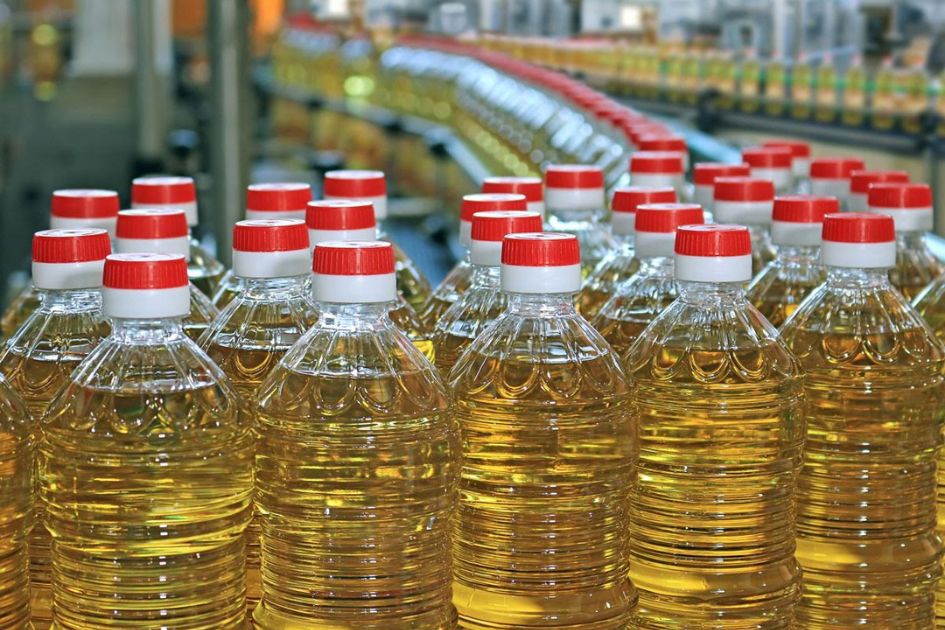
Public-private partnerships can play a decisive role here. Decentralized processing hubs, contract farming arrangements and transparent buy-back systems would not only protect farmers from market volatility but also encourage long-term investment in oilseed cultivation.
Consumer awareness is equally important. Locally produced mustard oil and other indigenous edible oils possess nutritional and cultural value that should be promoted more aggressively. Building consumer confidence in domestic products can help create a stronger local market and reduce dependence on imported alternatives.
Bangladesh has repeatedly demonstrated its ability to overcome agricultural challenges through coordinated policy, scientific innovation and farmer resilience. The edible oil sector deserves the same national commitment. Reducing import dependency is not simply about saving foreign currency. It is about protecting economic sovereignty, strengthening rural livelihoods and ensuring long-term food security.
Writer Md. Abul Bashar is a Senior Programme Officer at the SAARC Agriculture Centre, Bangladesh.




