




Beyond dramatic floods, fires and droughts, the climate crisis is reshaping food security, health, migration and development, underscoring the need for resilience before disasters strike.
By mentioning climate change, some familiar images come to our mind: raging wildfires, flash floods, relentless heat waves, drought-stricken land. These dramatic events dominate the news because they’re immediate, visible, and impossible to ignore.
But disasters are only the visible face of a much deeper crisis. Like an iceberg, whose largest and most dangerous mass lies hidden beneath the surface, the most profound consequences of climate change are often the least conspicuous, creeping into everyday life and undermining food security, public health, livelihoods, economies, and social stability.
The real climate crisis can’t be measured only by homes destroyed, crops lost, or infrastructure damaged in a single disaster. Its deepest scars usually appear slowly and linger long after the floodwaters recede or the drought breaks. Confronting climate change effectively means looking past the immediate destruction to recognize the hidden consequences threatening communities and future generations.
The Visible Face: Disasters That Make Headlines
Around the world, climate change is fueling increasingly severe weather: torrential rain, flash floods, prolonged droughts, intense heat waves, powerful cyclones, and wildfires. These disasters upend lives and livelihoods and, because they cause immediate loss of life and property, draw heavy media attention. Governments and aid groups respond with rescue operations and emergency relief, but public attention tends to fade once the aftermath passes, leaving a wider chain of social and economic fallout – behind every destroyed home, failed harvest, or damaged road – that makes everyday life harder for years.
The Hidden Crisis Behind Every Disaster
Every climate-related disaster can set off a chain reaction that extends far beyond the initial event. When drought wipes out crops, food shortages follow, prices climb, and already-vulnerable communities face deeper food insecurity; farmers lose income, families fall into debt, and many become dependent on aid. Likewise, when rivers dry up, the crisis reaches well beyond water scarcity, touching agriculture, health, education, and sanitation – with women and children often walking long distances for safe water, cutting into time they could spend in school or earning income. These hidden dimensions are less visible than a collapsed building or a flooded village, yet often more persistent and damaging over time.
Food Security: A Crisis Beneath the Surface
One of the most serious yet least-discussed consequences of climate change is its toll on food security. Erratic rainfall, rising temperatures, declining soil fertility, floods, and droughts are making farming increasingly unpredictable, and smallholder farmers bear a disproportionate share of the burden. As crop yields fall and food prices rise, poor families are often forced to cut back on both the quantity and quality of what they eat, raising the risk of malnutrition, especially among children and pregnant women. Hunger then becomes a barrier to education, health care, and economic advancement, and addressing it requires sustained investment in climate-resilient agriculture.
Public Health: The Silent Threat
Climate change is also creating a growing public-health challenge. Extreme heat drives up heatstroke and dehydration; flooding contaminates clean-water supplies, raising the risk of cholera and other waterborne disease; and shifting temperatures are letting mosquito-borne illnesses like dengue and malaria spread into new areas. Natural disasters can also damage hospitals and clinics, disrupting care exactly when it’s needed most. These consequences rarely get the attention a cyclone or flood does, yet they’re another hidden face of climate change. Strengthening health systems against climate shocks is essential.
Economic Loss and Widening Inequality
The climate crisis isn’t just an environmental problem – it’s an economic one, too. After major disasters, governments must pour resources into rescue, relief, and reconstruction while businesses are disrupted and infrastructure needs costly rebuilding. For low-income communities, the consequences are especially severe: families may lose their savings, fall into debt, and even pull their kids out of school, trapped in a cycle of poverty. This exposes one of the fundamental injustices of the climate crisis – the communities that contributed least to it often suffer its worst effects.
Displacement, Migration, and Social Unrest
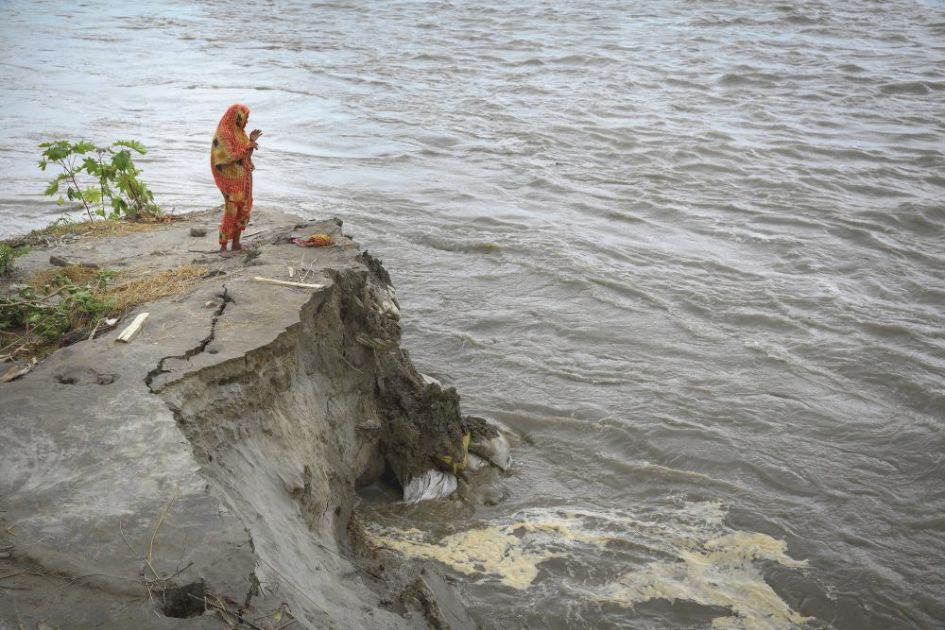
Another increasingly visible consequence of the hidden climate crisis is displacement. Rising sea levels, riverbank erosion, coastal salinity, flooding, and prolonged drought are making many areas harder to live in, pushing people to leave home in search of safety. Climate-driven migration can strain already-limited land and water resources, heightening social tension – a threat not just to the environment, but to social cohesion and peace.
According to international agencies, climate-related disasters caused roughly 32 million new internal displacements worldwide in 2022, and the number of climate migrants globally could reach a billion by 2050. In Bangladesh alone, nearly 20 million people could be internally displaced by 2025.
A Major Challenge to Development
The hidden impacts of climate change touch nearly every area of development. Floods that damage schools disrupt education; damage to health facilities reduces access to care; and damage to agriculture and infrastructure undercuts economic growth. Governments are often forced to divert development funds toward emergency response, making progress toward the Sustainable Development Goals harder to sustain. Protecting the environment isn’t separate from development – environmental resilience is a basic condition for sustainable human progress.
Investing Before Disaster Strikes
If the climate crisis has both a visible face and a hidden one, our response has to address both. Climate action can’t be limited to handing out relief after disaster strikes; it needs far greater emphasis on prevention, preparedness, resilience, and adaptation – climate-resilient infrastructure, climate-smart agriculture, restored ecosystems, renewable energy, and effective early-warning systems. Policy also has to protect vulnerable communities and build their capacity to adapt before disaster strikes. Investing ahead of a disaster isn’t just an economic choice – it’s a way of protecting lives, livelihoods, and the future.
Looking Beyond What We Can See
The greatest dangers of climate change aren’t always the ones that show up on television. Floods, cyclones, wildfires, and droughts may be highly visible, but their consequences can linger silently for years – food insecurity, declining health, rising poverty, widening inequality, displacement, and lost opportunities for education.
That’s why we need to rethink how we measure climate disasters. Counting homes destroyed or people affected matters, but it isn’t enough. We also need to ask what happens afterward: How many families fall into poverty? How many kids lose access to school? How many people are forced to migrate? How much development is lost to reconstruction? Only by recognizing these hidden consequences can governments and communities build policies that create genuine resilience.
Conclusion: The Crisis Beneath the Crisis
Climate change is far more than an environmental crisis. It’s a multidimensional threat to human survival, public health, food security, livelihoods, economic stability, and social justice. The disasters we see are only the visible surface of a much deeper crisis, a web of consequences that can keep affecting people long after the immediate disaster has passed.
Our response has to go beyond treating symptoms. We need to address the underlying causes and long-term consequences of climate change through prevention, adaptation, resilience, and collective action. The climate crisis has a visible face – but its most damaging consequences may remain hidden. Recognizing that hidden face is essential to building a safer, more resilient, sustainable world for present and future generations.
The writer is a media freelancer and recipient of the United Nations Population Fund (UNFPA) Media Award.




