

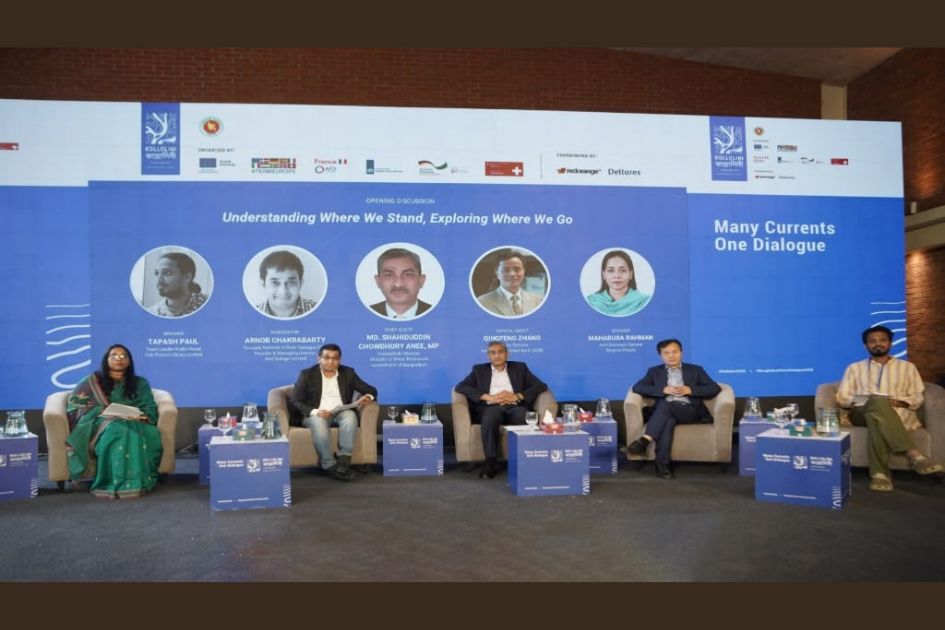



Bangladesh is preparing proposals for a new agreement that would address dry-season water sharing while raising concerns over monsoon flows and river governance.
Bangladesh wants to negotiate a new Ganges water-sharing treaty with India rather than renew the 1996 agreement, which expires on December 12, Water Resources Minister Shahiduddin Chowdhury Anee said on Thursday.
Speaking on the second day of Kollolini: A River Dialogue 2026 in Dhaka, Anee said Bangladesh was preparing proposals for a new treaty with guarantees to secure its share of Ganges water during the dry season. Bangladesh lies downstream of India on the river.
Anee also said Bangladesh would take a strong stance on excessive water flows during the monsoon, which he said caused flooding and losses to agriculture and the economy. He presented this as a separate concern from the dry-season sharing arrangements covered by the existing treaty.
The 30-year agreement governs how India and Bangladesh share Ganges water at India’s Farakka Barrage during the dry season. Any new treaty would require negotiations between the two countries.
Focus on river governance
Held under the theme “Knowing Our Rivers, Deciding Together,” the dialogue brought together policymakers, diplomats, development partners, researchers and river advocates. It was convened by the Team Europe Initiative on Climate and Energy in Bangladesh ahead of World Rivers Day.
Discussions covered river governance and legal protection, investment and accountability, and the participation of communities and young people. One session examined why river management plans can falter during implementation, including gaps in coordination, maintenance and accountability.
Another explored how government agencies, development partners and businesses could work together to ensure that river investments deliver lasting environmental and public benefits. Participants also discussed what legal recognition and rights for rivers could mean in practice.
The programme featured photography, art and other public engagement activities. Organisers said they hoped the dialogue would lead to sustained cooperation on the challenges facing Bangladesh’s rivers.




