

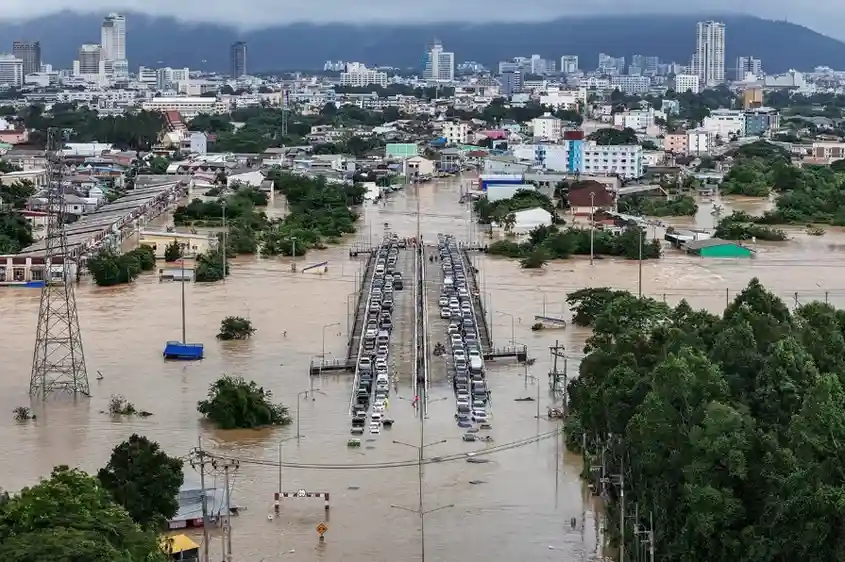



Southeast Asia is facing one of its deadliest monsoon disasters in years, with more than 250 people killed across Thailand, Malaysia, Indonesia and Sri Lanka as torrential rains continue to unleash floods, landslides and mass displacement. Rescue teams across the region are battling collapsing roads, power outages and submerged towns as forecasts warn of more heavy rainfall in the coming days.
Thailand’s southern provinces overwhelmed
Thailand has recorded the sharpest rise in fatalities, with officials confirming at least 145 deaths in the country’s southern provinces by Friday. Nine provinces remain underwater as days of intense rain swamped entire communities and forced tens of thousands to flee.
Large parts of Songkhla, the worst-hit province, remain inaccessible. At Songklanagarind Hospital, morgue capacity has been exceeded, prompting authorities to use refrigerated trucks to store bodies. “We have no more room,” a morgue official told AFP, as rows of white refrigerated lorries lined the hospital’s entrance.
Authorities said more than 2.9 million people nationwide have been affected. Prime Minister Anutin Charnvirakul has declared a state of emergency in Songkhla, placing the military’s supreme commander in charge of the response. Disaster officials warned that flooding could worsen as new alerts for “heavy to very heavy rainfall” were issued across southern Thailand.
Indonesia’s Sumatra battles deadly landslides
Across the Andaman Sea, Indonesia is confronting widespread devastation on Sumatra island, where three provinces have been inundated by floods and landslides. At least 80 people have been confirmed dead, according to national agencies, and dozens are still missing.
North Sumatra has reported the most severe losses, including 55 deaths, with 41 people unaccounted for. The Central Tapanuli district alone has recorded 34 fatalities, with rescuers forced to carve through debris and blocked mountain roads to reach remote communities.
In Batang Toru, where at least 21 people lost their lives, Reuters reported that residents were forced to bury victims in a mass grave as bodies were recovered faster than local facilities could manage.
In Aceh’s Bener Meriah Regency, rescue teams face power outages and communication failures. Some neighbourhoods remain submerged under three metres of water, complicating evacuation efforts and slowing assessments of the full scale of destruction.
Sri Lanka’s humanitarian crisis deepens
Sri Lanka has been hit by ten days of relentless monsoon rains, killing at least 56 people and leaving 21 missing, according to local authorities. Floodwaters and landslides have ravaged 17 districts, with more than 43,900 people severely affected.
President Anura Kumara Dissanayake has deployed over 20,000 troops to conduct mass evacuations, clear debris and deliver emergency supplies. Batticaloa district, among the worst affected, has recorded over 300 millimetres of rainfall, driven by a low-pressure system generating repeated rounds of violent storms.
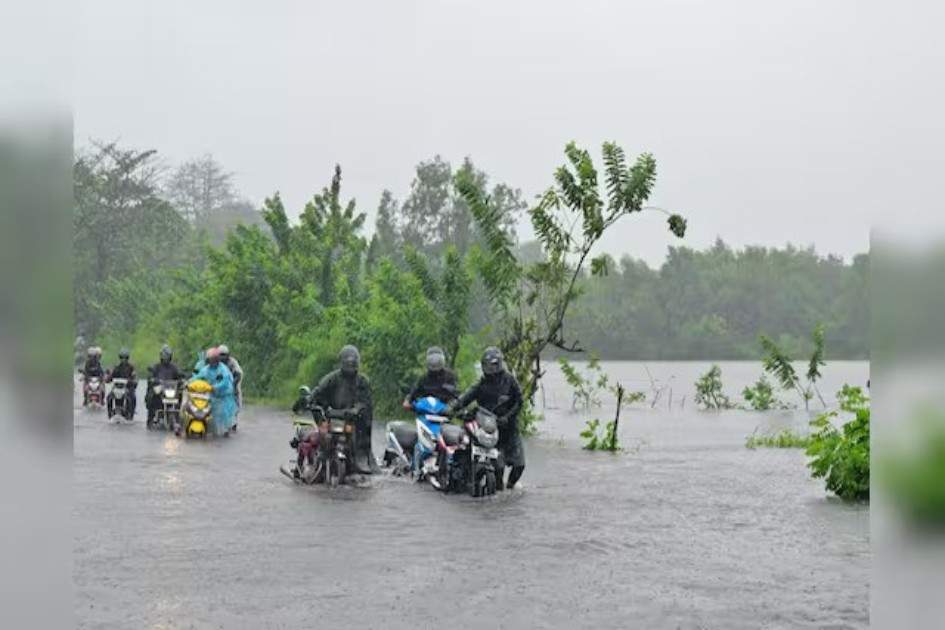
Eight districts remain under red-alert landslide warnings, and authorities have urged residents to prepare for immediate evacuation. Homes have been destroyed, power lines severed and major roads rendered impassable in parts of the country’s central and eastern regions.
Malaysia and regional impacts
In neighbouring Malaysia, eight states have been inundated after tropical storm–fuelled monsoon rains. Although official figures remain fluid, several deaths have been reported and tens of thousands displaced as rivers burst their banks and rescue teams continue to ferry stranded families to temporary shelters.
Emergency officials say the current monsoon surge is one of the strongest in years, linked to the same weather system battering Thailand and Indonesia.
A region under strain
From Sumatra’s hillsides to Sri Lanka’s lowlands and southern Thailand’s coastal plains, the scale of destruction underscores Southeast Asia’s growing vulnerability to climate-driven extreme rainfall. Meteorological agencies across the region warn that saturated soil, swollen rivers and incoming storms could trigger further landslides and flash floods.
Disaster agencies are urging residents in high-risk zones to remain alert.
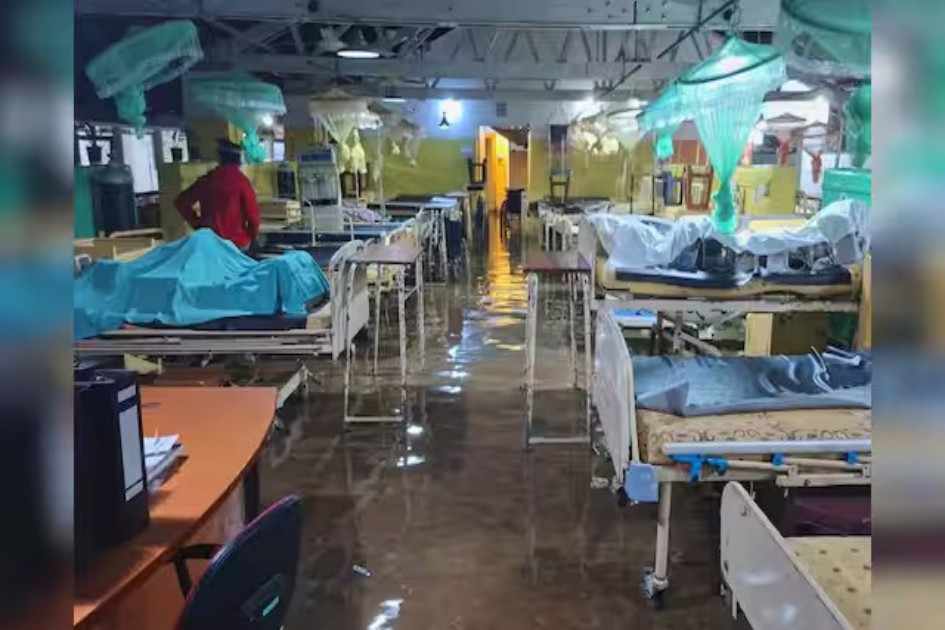
“We are moving into rehabilitation, but the danger is far from over,” Thailand’s flood response director Paradorn Prissananantakul told AFP.
With hundreds dead, thousands displaced and millions affected, emergency teams across Southeast Asia continue to race against the weather and time to reach communities still cut off by the floods.




