




Nepal is rapidly expanding solar energy in industries and institutions, but policy barriers, grid limitations, and financing challenges continue to hinder the country’s transition toward a diversified and sustainable energy future.
Clean energy is essential for making the energy sector sustainable and reliable. Solar energy can become an effective alternative source of power for Nepal. In recent years, industries and institutions have increasingly adopted solar energy, proving its economic and practical benefits. However, Nepal still needs policy reforms to achieve its target of generating 10% of total renewable energy from mixed renewable sources and to further expand solar technology.
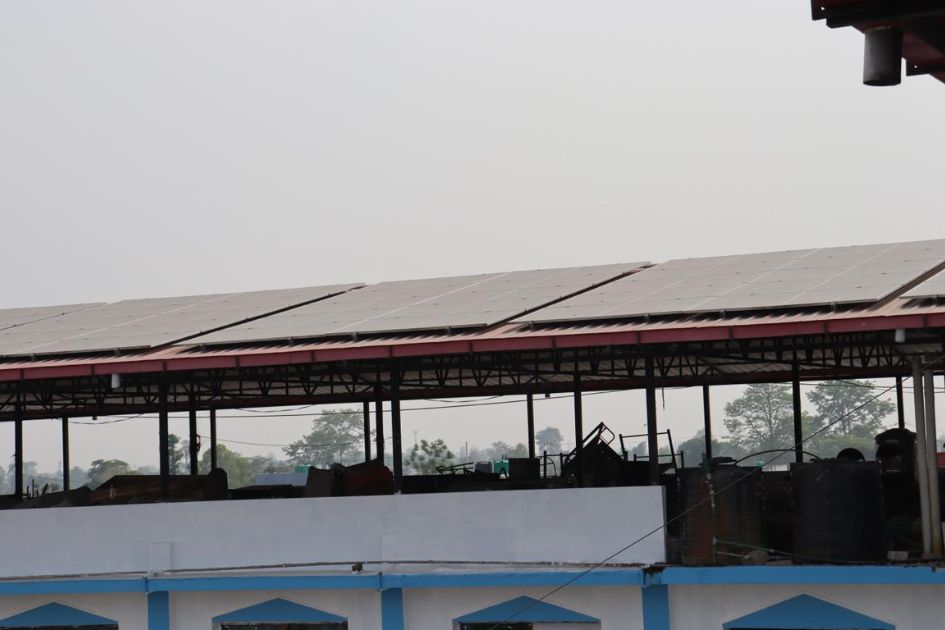
Devdaha Medical College in Rupandehi has installed rooftop solar panels and currently produces 600 kilowatts of solar energy. After two years of experience, the college has planned to expand solar energy production.
According to Gopal Bahadur Pokharel, Chief Executive Director of Devdaha Medical College, the hospital plans to install solar panels on all rooftops to meet daytime electricity demand through solar power. He explained that electricity generated from solar energy is cheaper than electricity purchased from the Nepal Electricity Authority. Currently, the hospital has installed a 600-kilowatt solar system, saving approximately NPR 600,000 to 700,000 per month. While the Nepal Electricity Authority charges NPR 13 per unit, electricity generated from solar costs only NPR 8.30 per unit.
The medical college consumes around 5 megawatts of electricity. Solar power also helps maintain a stable electricity supply during power cuts and voltage fluctuations from the national grid.
Solar technology is not new in Nepal. For more than two decades, solar panels have mainly been used in rural and hilly areas for household lighting. Recently, however, solar energy has increasingly been adopted for commercial and industrial purposes. According to the Alternative Energy Promotion Centre, more than 26 megawatts of solar energy capacity have been installed in industries, hospitals and other institutions in the last two years.
Navaraj Dhakal, Executive Director of the Alternative Energy Promotion Centre, stated that innovative financial systems have been introduced with support from development partners to diversify energy sources and promote clean and sustainable energy. Under the “Sustainable Energy Challenge Fund,” rooftop solar programs have proven highly effective. These programs encourage private sector investment, reduce project risks and promote the adoption of new technologies.
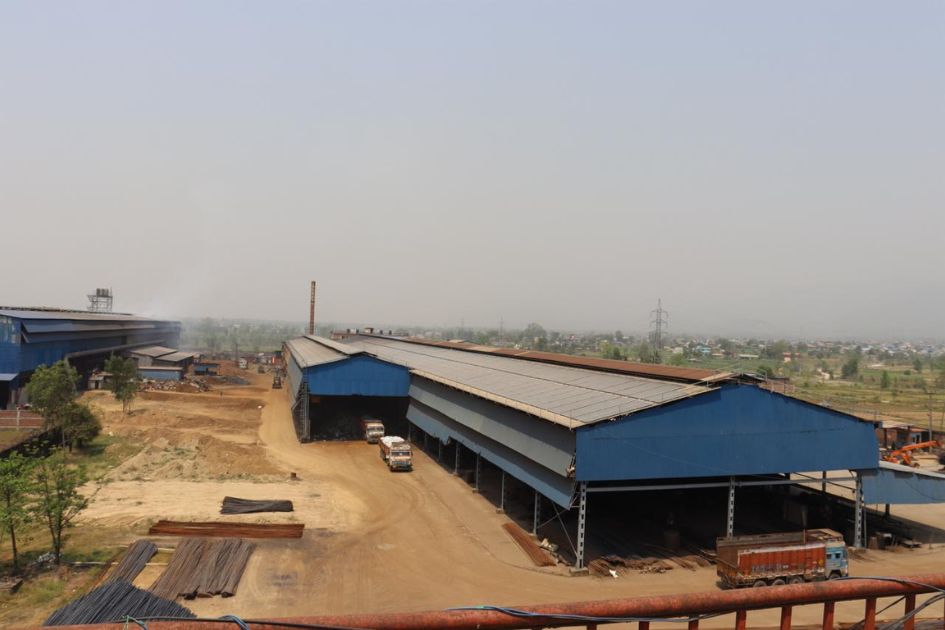
Industrialists claim that electricity generated from solar energy is 30% to 40% cheaper than hydropower-based electricity. Surendra Tiwari of Laxmi Steel explained that his company currently produces 1 megawatt of solar electricity for industrial use and plans to add another 4 megawatts soon. Although the company consumes about 30 megawatts of electricity, solar power helps operate systems during maintenance periods and power interruptions.

Growth of Solar Energy in Nepal
According to the Energy Sector Review Report 2024 published by the Water and Energy Commission Secretariat of Nepal, bioenergy contributes 63% of total energy consumption, petroleum products contribute 19%, while renewable energy accounts for only 3%.
Nepal’s Energy Development Roadmap 2024 reports that the combined installed capacity of hydropower and solar energy has reached 3,243 megawatts, with solar energy alone contributing around 120 megawatts. Nepal aims to generate 25,944 megawatts of electricity by 2033/34, with 5% to 10% expected to come from solar energy and green hydrogen.
Heavy dependence on hydropower makes Nepal vulnerable to dry seasons, floods and climate-related risks that affect water availability and electricity production. Therefore, diversifying energy sources is necessary to ensure a reliable energy supply.
Globally, the energy sector is rapidly shifting from fossil fuels toward renewable energy sources, especially solar energy. Solar power is no longer viewed only as an alternative energy source. It is becoming a major component of global energy systems.
China currently leads the world in solar energy production with more than 1,200 gigawatts of installed solar capacity. India has also expanded rapidly, reaching more than 150 gigawatts of solar capacity. These countries have significantly reduced carbon emissions through large-scale solar energy deployment.
A 1-megawatt solar system can reduce approximately 1,000 to 1,500 tons of carbon dioxide emissions annually by replacing coal- or diesel-based electricity generation. This contribution is particularly important in addressing climate change, global warming, irregular rainfall and glacier melting.
Differences Between Solar and Hydropower
Hydropower depends on water availability, making it vulnerable to droughts, floods and climate change. Solar power, on the other hand, depends on sunlight and can be installed more easily in many locations.
Hydropower projects require large investments and longer construction periods, while solar systems can be installed more quickly and at lower cost. In Nepal, producing 1 megawatt of electricity from solar energy costs approximately NPR 80 million to 100 million, whereas hydropower projects may cost more than NPR 200 million per megawatt.
Pradeep Humagai, engineering director of Gham Power Nepal, stated that solar projects can be completed within six to eight months, while hydropower projects generally require at least two to three years.
International energy organizations estimate that solar energy systems cost NPR 100 million to 160 million per megawatt, whereas hydropower projects cost NPR 200 million to 450 million per megawatt. This means solar energy can be 30% to 60% cheaper than hydropower. However, because solar energy production depends on sunlight and weather conditions, it should be integrated with hydropower and other energy sources to ensure a stable energy supply.
Global Development of Solar Energy
The global focus on solar energy developed gradually due to energy crises and climate change concerns. Since the Industrial Revolution, the world has heavily relied on fossil fuels such as coal, oil and gas. While these sources supported industrial growth, they also caused severe environmental damage through rising carbon emissions.
From the 1990s onward, scientists warned about climate change risks, leading countries to invest in renewable energy technologies such as solar and wind power. The Paris Agreement further accelerated this transition by encouraging countries to reduce carbon emissions and promote clean energy.
Solar energy offers several environmental and economic advantages. It does not produce harmful greenhouse gases during electricity generation, does not require fuel or water consumption and can operate for 20 to 25 years or longer with relatively low maintenance costs. Solar systems can also be installed at the household level, improving energy access in remote areas.
Policy Issues and Challenges
According to Nepal’s Sixteenth National Plan, the government aims to increase per capita electricity consumption to 700 units by the fiscal year 2028/29. In 2023/24, Nepal’s per capita electricity consumption was around 400 units. Achieving this target will require electricity to become more accessible, reliable and affordable.
Although residential use still dominates electricity consumption, industrial electricity use has increased significantly. In 2009, only 3.3% of electricity was consumed by industries, while this figure has now increased to 18.3%.
Nepal’s Third Nationally Determined Contribution (NDC), approved in 2025, places high priority on renewable energy expansion. The plan targets total renewable electricity generation capacity of 14,031 megawatts by 2030 and 28,500 megawatts by 2035. Solar energy has been given special emphasis, particularly in schools, healthcare institutions, industries and local government facilities.
The NDC aims to install 10 megawatts of solar photovoltaic systems in schools and expand solar systems to 2,800 healthcare institutions by 2035. It also proposes simplifying land leasing procedures for renewable energy projects.
Despite Nepal’s significant solar energy potential, several policy barriers still hinder expansion. Nivesh Agrawal, Chief Executive Director of Maruti Papers and Chemicals Industries, explained that the Nepal Electricity Authority currently does not allow industries to connect solar systems larger than 500 kilowatts to the national grid. As a result, excess electricity generated by industries is wasted.
He argued that if larger solar systems were allowed to connect to the grid, industries could supply excess electricity back to the Nepal Electricity Authority, preventing energy loss. According to him, policy reform would encourage industries to install solar systems with capacities of 5 to 6 megawatts.
Expanding solar energy can also significantly reduce greenhouse gas emissions. Nepal’s Third Nationally Determined Contribution aims to reduce 8,546.41 gigagrams of carbon dioxide equivalent emissions from the energy sector by 2035, with solar energy expected to play a major role in achieving this goal.




