

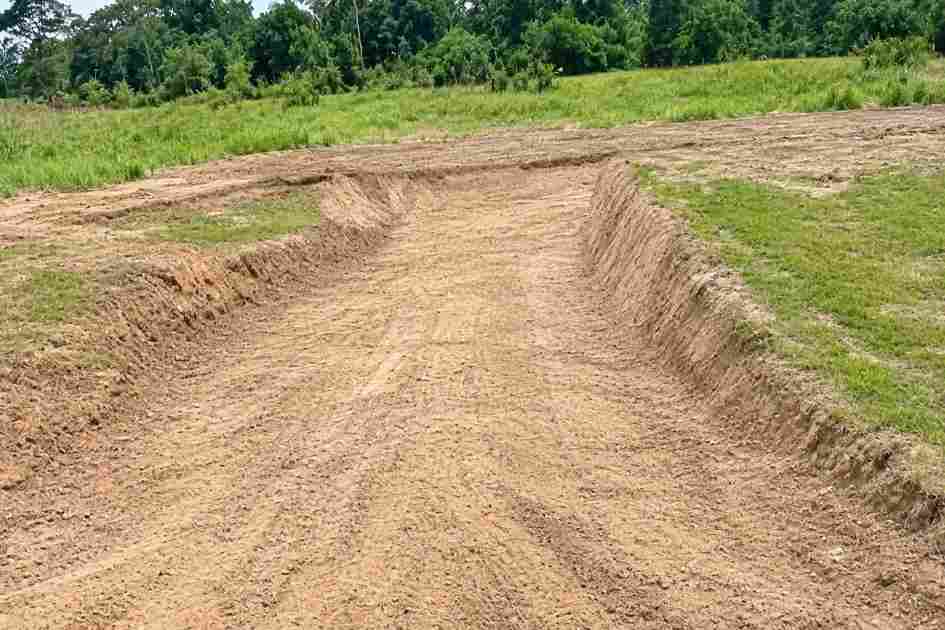



Residents allege an influential syndicate is cutting and selling Halda riverbank soil at night, even as costly geo-bag protection work continues across the river in Fatikchhari.
A powerful soil-cutting syndicate is accused of carving away the bank of the Halda River in Chattogram under cover of darkness and selling the earth for land filling, even as authorities spend millions of taka on protective works along the opposite side of the same riverbank reported by Bangla daily The Daily Samakal.
The allegations come from Panchpukuria area in Sundarpur union of Fatikchhari upazila, where local residents say an influential group has been cutting into the riverbank of the Halda, South Asia’s only natural fish breeding ground.
Residents alleged that while the Bangladesh Water Development Board is placing geo bags to protect the bank on the Suabil union side, the eastern side of the Halda in Sundarpur is being freely cut away at night along with the flood protection embankment.
They said a locally influential group involving, has been using excavators to load soil onto pickup vans and supplying it to different areas for filling work.
A visit to the area found hundreds of geo bags being placed on the Suabil side, north of the under-construction Panchpukuria-Siddhashram bridge over the Halda, as part of the riverbank protection work.
On the exact opposite side in Sundarpur, pits measuring around five to 10 feet deep had been dug and large sections of the riverbank cut away. Soil had also been removed from several other nearby points in the same manner.
The excavated earth is being sold for money and used to fill homesteads, ponds and plots of land, according to local accounts.
Based on information provided by residents, visited the homestead of local people in the area and found sand-mixed soil that locals said had been brought from the Halda riverbank.
A man in his fifties living near the Halda riverbank said on condition of anonymity that people had been cutting soil and transporting it by vehicle around midnight for the past three to four days.
“We are worried,” he said. “If there is heavy rainfall, the bank may collapse again under hill runoff.”
He said those who protest against the illegal activities are intimidated and threatened. For safety reasons, many residents do not dare speak publicly.
He said that would harm not only aquatic life but the broader environment as well. The impact would be long term and could leave people exposed to floods and other disasters in future, causing suffering that could continue for years.
Since laws exist in the country to address such acts, the administration should identify those involved and bring them under the law, he said. Cases should be filed over such incidents so that the accused can be identified.
Halda researcher and BGC Trust University vice-chancellor Professor Dr. Md. Manzoorul Kibria said riverbank cutting is extremely harmful for the river and its ecosystem and is also a punishable offence under the law.
He said all leases for sand extraction from the Halda were banned in 2017 and the river has been conserved as a heritage site. For that reason, neither sand extraction nor riverbank cutting should be allowed under any circumstances.
Local elected representatives and the administration should suppress such activities and bring those responsible to justice, he said, adding that residents must also build brave local resistance alongside the administration.
Mohammad Sohag Talukdar, sub-divisional engineer of the Chattogram Water Development Board, said indiscriminate cutting of riverbanks creates multiple risks, including erosion and changes in the river’s course.
He said authorities should take legal action when the government is spending crores of taka on anti-erosion works while others are cutting the same riverbank.
Fatikchhari Upazila Nirbahi Officer Sayeed Mohammad Ibrahim said he had not known about the matter before but had now become aware of it.
“I will try to conduct a drive against the soil cutting,” he said.
This article is republished from The Daily Samakal.




