




Conservationists warn that myths around jackal meat, habitat pressure and poor awareness are fuelling dangerous human-wildlife conflict and illegal killings.
A disturbing incident in the southern Bangladeshi city of Barishal has sparked widespread condemnation after reports emerged that seven jackals were slaughtered and an invitation to consume their meat was circulated on social media.
The incident occurred on July 2 in the Moydankhola area under Ward-26 of the Barishal City Corporation. A video documenting the slaughter was posted on Facebook from an account under the name “MD Naim Raj”. Following significant public backlash and criticism online, the post was later removed by the user.
Conservationists emphasized that protecting biodiversity is not only about saving individual species but also about safeguarding the ecological systems that support human communities. They called for immediate action against illegal wildlife killing and greater public awareness to ensure that such incidents do not happen again.
“Eliminating terrorists”
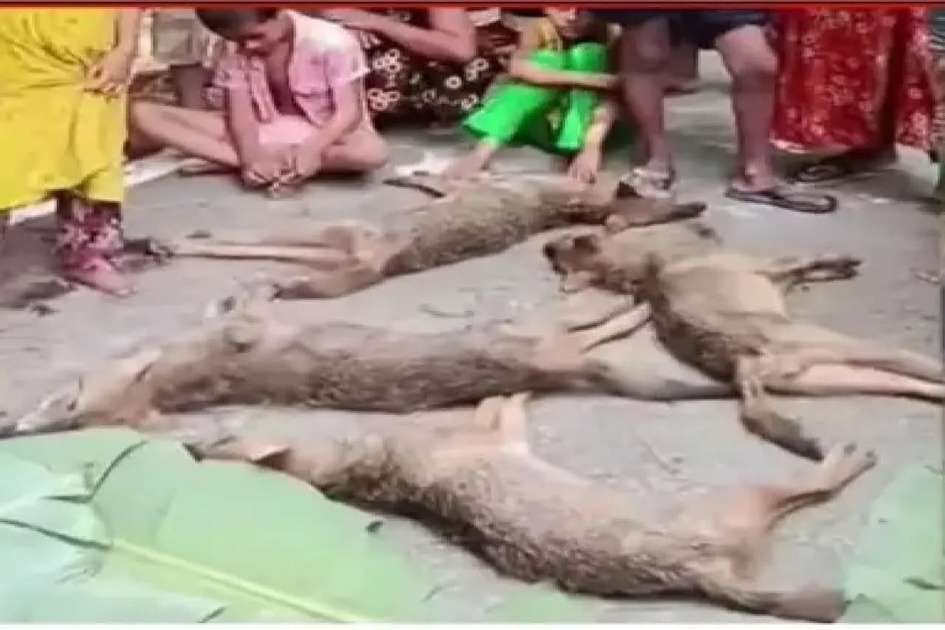
The viral video shows five dead jackals lying on the ground, while the skin of two others is being removed. Surrounded by local residents, including children, a man holding a stick is heard in the footage claiming that the animals had been “terrorizing” the area by attacking livestock, including ducks, chickens and goats.
“We have suppressed these terrorists,” the man says in the video, referring to the jackals. “If anyone needs meat, come to the Moydankhola area of Ward-26. We launched an operation this morning and have eliminated them.”
Wildlife conservationists say such descriptions reflect a harmful misunderstanding of the ecological role of jackals. Golden jackals are an important part of local ecosystems, acting as natural scavengers and helping maintain ecological balance by cleaning organic waste, consuming carrion and regulating populations of smaller animals.
Experts warn that indiscriminate killing of wildlife can disrupt biodiversity and increase ecological imbalance. They stress that human-wildlife conflicts should be addressed through awareness, scientific solutions and coexistence strategies rather than violence against animals.
Local reactions and dangerous myths
The incident has drawn varying responses from local residents and community representatives. Former Ward-26 councillor Md. Farid Uddin Hawladar acknowledged hearing about the incident but said he was unaware of those involved. He noted that some people in the area hold an unfounded belief that consuming jackal meat can cure rheumatic pain.
Conservation advocates said such myths and misinformation about wildlife consumption are dangerous and can encourage illegal hunting and exploitation of wild animals.
A local resident, speaking on condition of anonymity, described how a group of around 60 to 70 people entered a nearby jungle on the morning of July 2. According to the witness, the group raided a jackal den and used spears (teta) to injure the animals as they attempted to flee.
Wildlife protection concerns and legal action
The slaughter of protected wildlife has prompted an investigation by the Forest Department. Md. Rafiqul Islam, divisional forest officer of Barishal, confirmed on Wednesday that authorities had been sent to the area to investigate the incident.
“I have heard about the incident and sent personnel to the site to investigate,” Islam said. “If the reports are verified, strict legal action will be taken against those involved.”
Under Bangladesh’s Wildlife (Conservation and Security) Act, killing protected wildlife, including jackals, is a punishable offence. Conservationists also raised concerns over the public promotion of wild animal consumption through social media, warning that normalising such practices could encourage further wildlife exploitation and create potential public health risks.
Rising human-wildlife conflicts require awareness
Environmental experts note that habitat loss, rapid urban expansion and climate-related changes are increasing encounters between humans and wildlife. Addressing these conflicts requires community awareness, protection of natural habitats and stronger implementation of wildlife conservation laws.
Sohanur Rahman, executive coordinator of YouthNet Global, urged local authorities to strengthen community-based wildlife education and promote coexistence between people and nature.
“Wildlife is not our enemy; every species plays a role in maintaining ecological balance. Incidents like this show the urgent need for environmental education, stronger enforcement of wildlife protection laws and meaningful community engagement to prevent future conflicts,” he said.




