

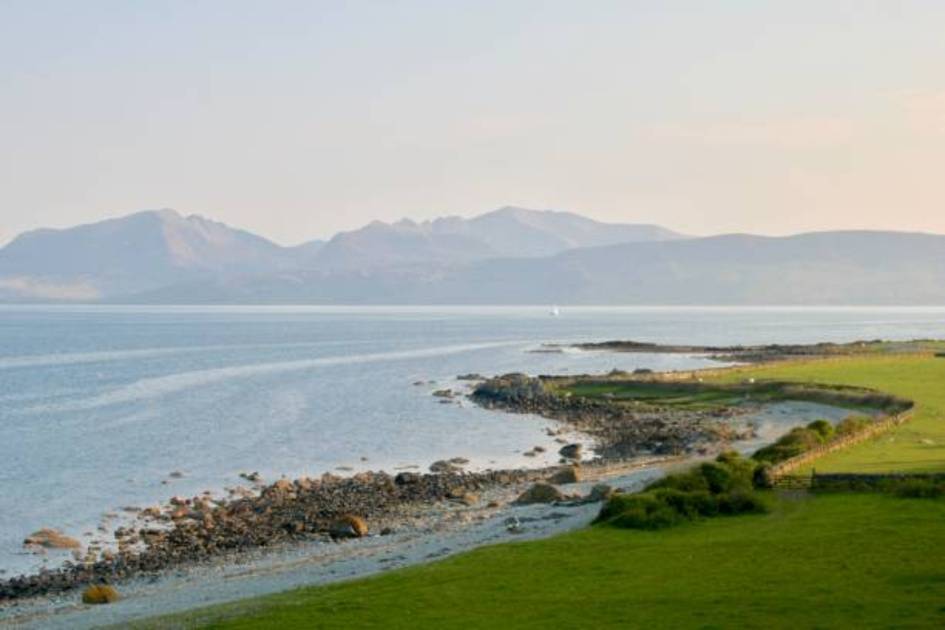



Researchers say protected muddy seabeds around South Arran are showing signs of recovery, but lasting biodiversity and carbon-storage gains depend on long-term, enforced protection.
Marine life has made a marked recovery in protected waters off Scotland nearly a decade after bottom trawling and dredging were banned, according to scientists who said the findings demonstrated the need for stronger safeguards across Europe.
Scientists from the Convex Seascape Survey recorded more than 1,500 species considered critical to the marine ecosystem, including worms and shellfish, in Scotland’s South Arran Marine Protected Area.
Seabeds protected from trawling supported about twice as many species and up to three times the abundance of marine life found in nearby areas where fishing continued, the researchers said.
Approximately 13.7% of European Union marine areas are designated as Marine Protected Areas. However, only 0.2% of Europe’s seabed is currently protected from destructive bottom-towed fishing.
The findings show what is being lost in areas without sufficient protection and demonstrate that muddy seabeds, often dismissed as ecologically barren, support rich marine ecosystems, the scientists said.
They cautioned that although foundational marine species can return rapidly, the long-term benefits for carbon storage may take decades to develop.
While species recover quickly, the seabed itself needs time to settle. Researchers found early signs of stabilisation in protected areas, where stronger links were emerging between sediment health and carbon retention.
The findings suggest that protected seabeds can eventually become reliable carbon stores, but that the process remains fragile and can be easily disrupted if trawling resumes.
Delays in introducing properly enforced marine protection therefore risk damaging both marine ecosystems and a critical carbon sink, the scientists said.
“These seabeds may appear empty, but they are anything but. They can recover when protected, but much more slowly than fish communities in protected areas. That means long-standing, well-enforced protection is needed to realise their full ecological and biodiversity benefits,” said lead researcher Dr Ben Harris of the University of Exeter.
Professor Callum Roberts, also from the University of Exeter, said: “The evidence is clear: protection works. What’s missing now is the urgency to act on it.”




