


The River Wye has been granted legal rights in a landmark UK move as pollution, ecological collapse and major lawsuits intensify concerns over the future of one of Britain’s most iconic rivers.
The entire catchment of the River Wye has officially been recognized as a living ecosystem with intrinsic rights, marking a historic first in the United Kingdom and a major milestone in the global rights of nature movement.
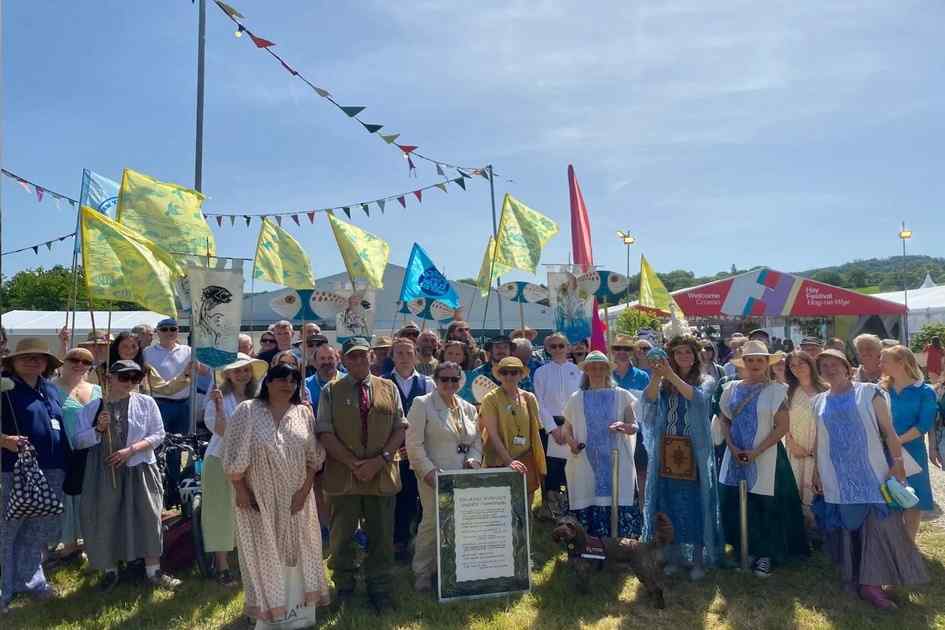
The new charter, celebrated during an event at the Hay Festival on Sunday, grants the river a series of fundamental rights, including the right to flow freely, maintain biodiversity, remain free from pollution, regenerate naturally and be represented in decision-making processes.
The charter is expected to cover the river’s entire 130-mile course from the Cambrian Mountains in mid-Wales to the Bristol Channel after adoption by local authorities including Herefordshire, Powys, Gloucestershire and Monmouthshire councils.
Officials described the move as a significant step toward restoring one of Britain’s most iconic rivers, which has faced severe ecological decline over the past decade.
Jackie Charlton, cabinet member for a greener Powys, said the charter sends a strong message that the health of the river must be protected for future generations.
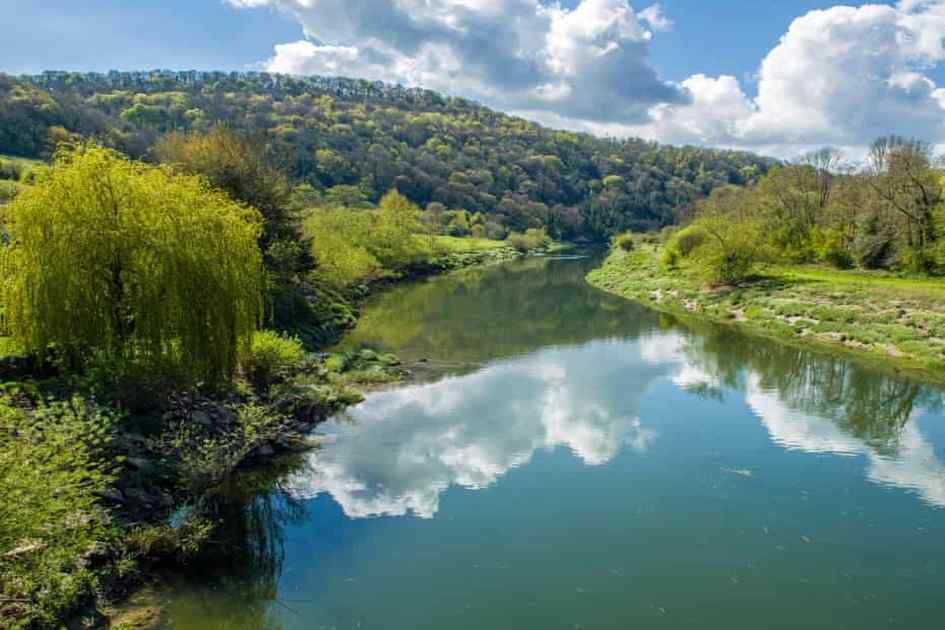
Environmental groups say pollution from intensive poultry farming, combined with repeated sewage spills, has pushed the river to the brink of ecological collapse. Excess nutrients have triggered large-scale algae and weed growth, suffocating aquatic ecosystems and threatening wildlife across the river basin.
The River Wye is now at the centre of one of the largest environmental legal battles in UK history. More than 4,500 residents and businesses living near the Wye, Lugg and Usk rivers have launched legal action against Avara Foods and Dŵr Cymru, accusing them of contributing to widespread river pollution.
Both companies deny responsibility. The initiative reflects a growing international movement recognizing legal rights for nature. Similar protections have already been granted to rivers in countries including New Zealand, Ecuador and Canada.
Campaigners welcomed the charter but warned that symbolic recognition alone will not save the river without urgent enforcement, stronger environmental regulations and long-term restoration funding.
In 2025, ecologist Dr Louise Bodnar became the first official representative of the River Wye, holding a voting seat on the river’s nutrient management board to advocate directly for the river’s ecological interests.




