


The death of Sujit Sarkar has intensified scrutiny of hazardous battery operations, worker protection and follow-up enforcement after authorities found the Dhamrai factory lacked key approvals.
A worker was killed in an explosion at a lead acid battery manufacturing factory in Dhamrai, on the outskirts of Dhaka, just days after the facility was fined for allegedly operating without required environmental and industrial approvals, raising renewed concerns over workplace safety, regulatory enforcement and the risks associated with hazardous industries.
The incident occurred on Saturday evening (July 18) at the “Shubho Power” battery factory in Baro Chandrail area under Kulla Union of Dhamrai Upazila.
The deceased worker was identified as Sujit Sarkar, son of Subal Sarkar of Barilya village in Kulla Union.
According to local sources, the explosion occurred while workers were engaged in battery production. A battery kept near the production area suddenly exploded, causing acid and chemical substances to spill onto Sujit’s body. He suffered severe burns and critical injuries.
He was rescued and taken to Gonoshasthaya Samaj Vittik Medical College Hospital in Savar, where he later died while undergoing treatment.
Dhamrai Police Station Officer-in-Charge (OC) Nazmul Huda Khan said police had sent Inspector (Operations) Debashish Sana to the scene to investigate the incident. Ashulia Police Station was also informed regarding procedures for recovering the body.
Authorities have not yet confirmed whether the factory has been shut down following the accident or whether a formal investigation has been launched into the cause of the explosion.
Factory fined days before fatal accident
The fatal incident occurred only one week after the factory was fined by the local administration over alleged regulatory violations.
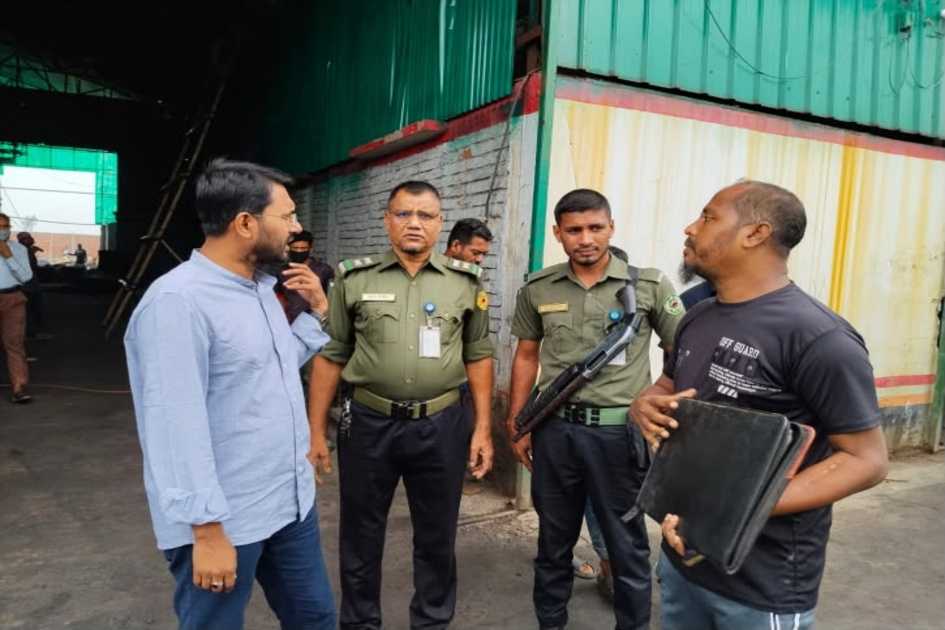
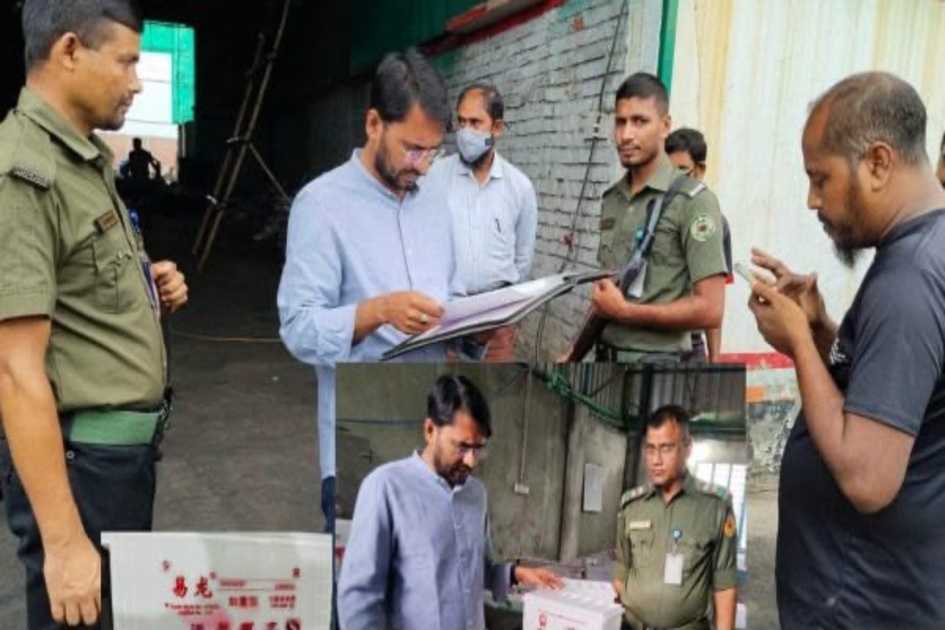
On July 11, a mobile court led by Executive Magistrate Al Mamun fined the battery factory Tk 100,000 after an inspection found that it was operating without an environmental clearance certificate from the Department of Environment (DoE) and approval from the Bangladesh Standards and Testing Institution (BSTI).
Officials said the facility also lacked required documents related to quality control and raised concerns over the use of untreated lead, which can pose serious risks to public health and the environment.
The inspection came amid broader concerns about informal and poorly regulated battery manufacturing and recycling facilities, where inadequate safety measures and improper handling of hazardous materials can expose workers and nearby communities to toxic substances.
“The industries must operate in compliance with laws and regulations while prioritising environmental protection and public health,” Executive Magistrate Al Mamun said following the enforcement action.
Questions over enforcement and worker protection
The timing of the incident has raised questions about how a facility that had recently been penalised for compliance failures continued operations and whether adequate workplace safety measures were in place.
Labour and environmental experts say battery manufacturing involves hazardous materials, including lead, acids and other chemicals, requiring strict occupational safety standards, proper waste management systems, emergency response plans, protective equipment and worker training.
Authorities are expected to examine whether workers had access to personal protective equipment (PPE), whether chemical handling procedures were followed and whether the factory maintained adequate workplace safety protocols.
YouthNet Global calls for accountability
Sohanur Rahman, Executive Coordinator of YouthNet Global, said the incident highlights the urgent need to strengthen environmental governance and worker protection in hazardous industries. He added, “Environmental compliance and workers’ rights must move together. No industry can be truly sustainable if it puts workers’ lives at risk.”
He urged industrial development must ensure safe workplaces, responsible production practices and stronger accountability.
Health and environmental risks of unsafe battery operations
Battery manufacturing and recycling require careful management because exposure to lead and industrial chemicals can create serious health and environmental risks.
Unsafe battery operations can contribute to lead contamination of soil, water and surrounding ecosystems. Long-term lead exposure can affect human health, particularly children and vulnerable communities, if proper safety and waste management systems are not maintained.
Environmental advocates have repeatedly called for stronger monitoring of battery-related industries, responsible recycling practices and effective enforcement of environmental regulations.
Building a safer industrial future
Workers’ rights groups say environmental protection should not be viewed as a barrier to industrial growth. Instead, sustainable industrial development requires cleaner production systems, safe workplaces, decent employment standards and protection for workers during economic transitions.
A just transition approach can help industries move toward safer and more sustainable practices while ensuring workers are not left behind.
The death of Sujit Sarkar has renewed demands for accountability, improved workplace safety and stronger oversight of hazardous industries in Bangladesh. A thorough investigation into the accident, enforcement gaps and worker safety conditions will be crucial to preventing similar tragedies in the future.




