

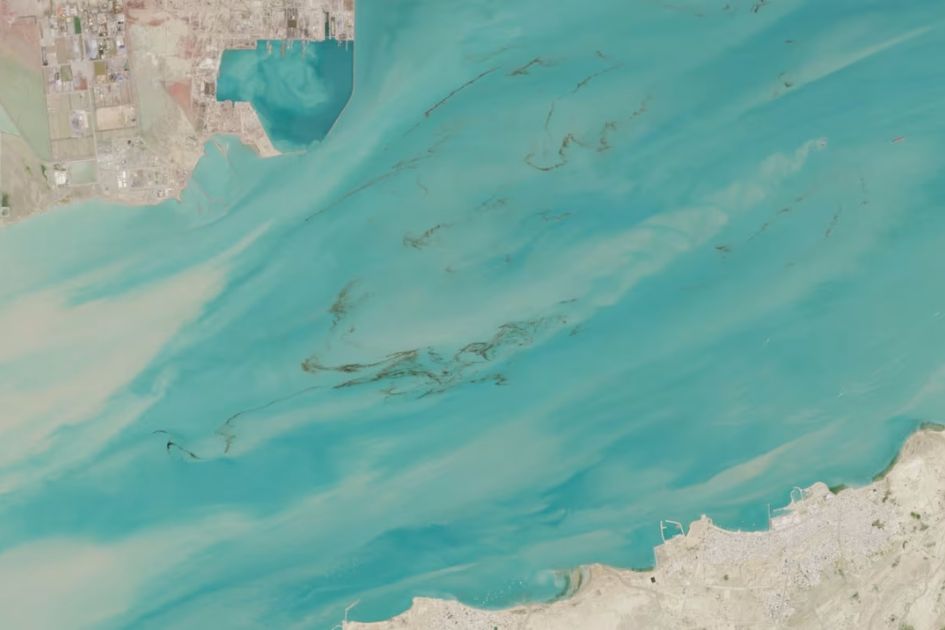



Satellite imagery shows expanding oil spill across the Persian Gulf after strikes on Iranian facilities, raising fears of severe ecological damage, marine life loss and risks to water supplies.
Oil pollution spreading across the Persian Gulf following recent military strikes around Iran is now visible from space, prompting urgent warnings from experts that the situation could escalate into a major environmental disaster if not contained quickly.
Satellite imagery shows oil slicks stretching across multiple locations after damage to oil facilities and vessels linked to attacks involving Iran and US-Israeli forces. Beyond infrastructure losses, the fragile marine biodiversity of the Persian Gulf is facing severe threats.
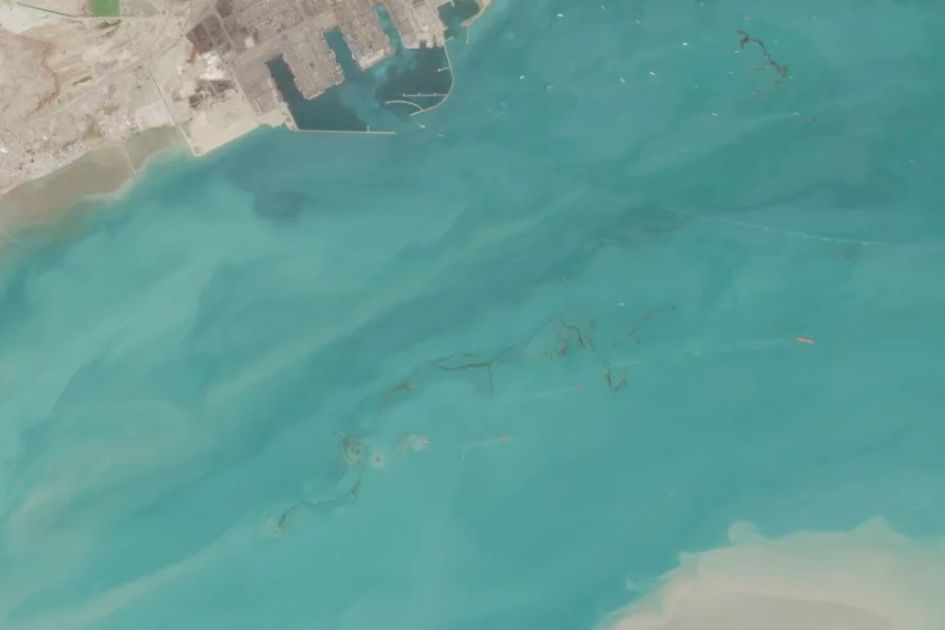
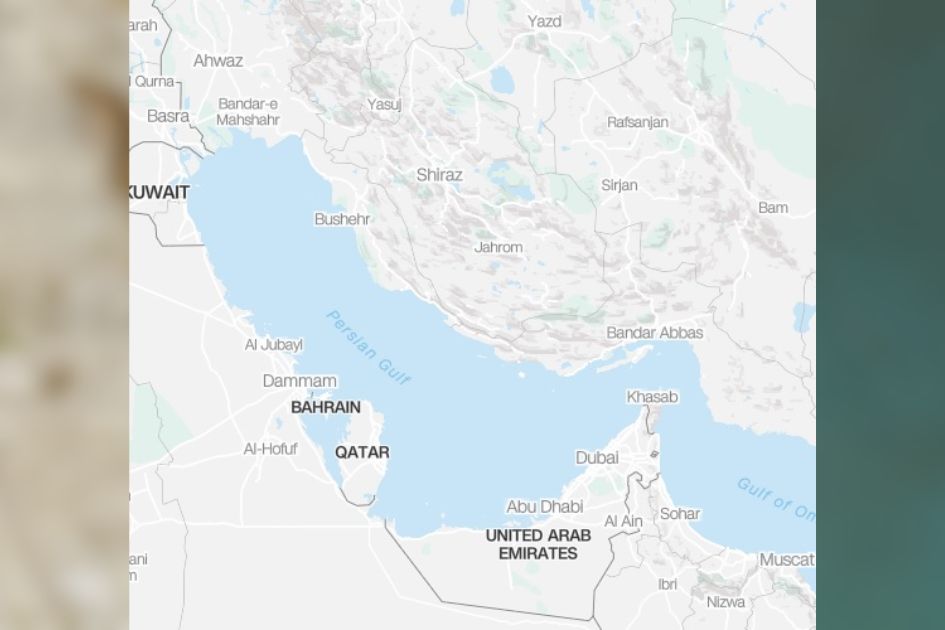
According to a CNN report, an image captured on April 7 shows oil spreading across more than five miles in the Strait of Hormuz near Qeshm Island. Greenpeace Germany spokesperson Nina Noelle said the spill in that area originated from the Iranian vessel “Shahid Bagheri,” which was damaged in a US strike on February 28.
Another image taken the same day reveals oil contamination around Lavan Island. Iranian state media claimed the situation was triggered by an attack on a nearby oil facility by what it described as hostile forces. Verified videos circulating on social media, confirmed by CNN, also show a large fire at an Iranian oil refinery.
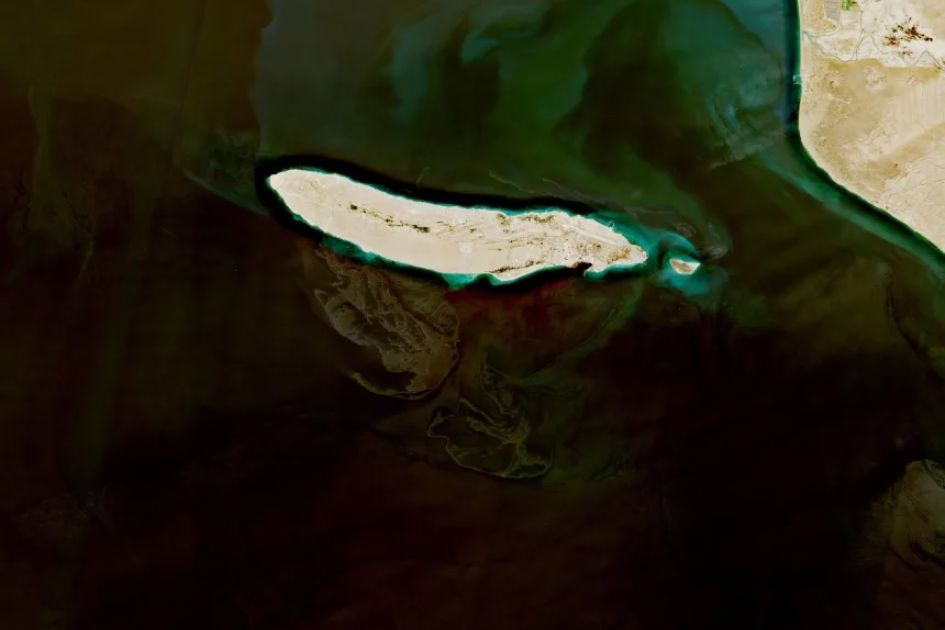
Wim Zwijnenburg, project leader at the Dutch peace organisation PAX, described the incident as a “major environmental emergency.” He said at least five facilities on Lavan Island were damaged, causing oil to leak into surrounding waters and gradually spread toward Shidvar Island.
Shidvar Island is a protected coral island in the Persian Gulf, home to turtles, seabirds and other conserved species. Experts warn that if oil reaches this area, the ecosystem could suffer severe and possibly irreversible damage.
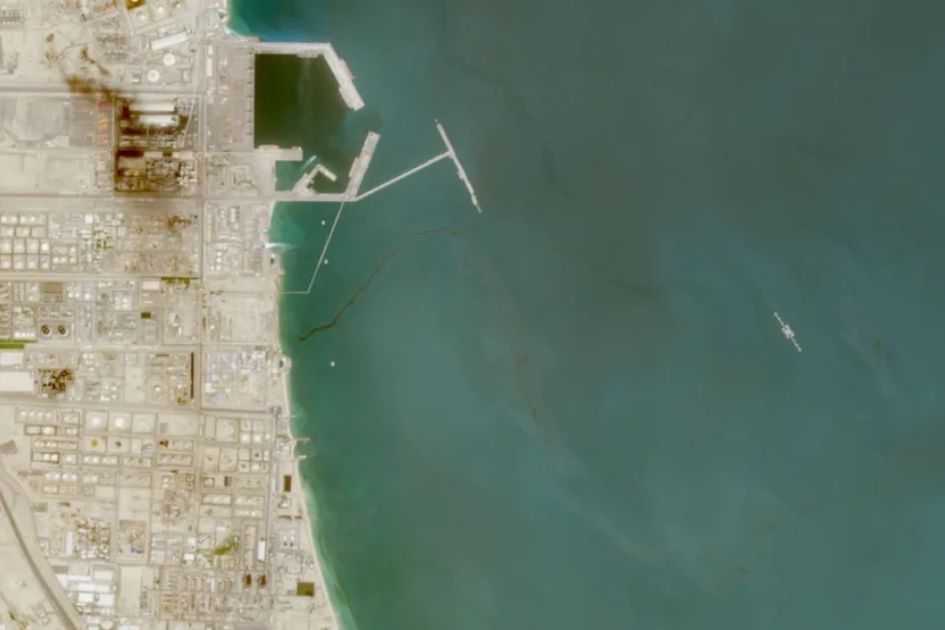
Satellite images also detected oil pollution near the coast of Kuwait on April 6. On the same day, Iran’s Islamic Revolutionary Guard Corps claimed it had targeted energy and petrochemical facilities across the Gulf region in retaliation for an attack on a petrochemical site in southwestern Iran.
Experts caution that if the situation spirals out of control, it could threaten the livelihoods of thousands of people, particularly coastal communities dependent on fishing. Oil contamination could poison fish stocks, jeopardising both food security and income sources.
Marine animals including turtles, dolphins and whales are also at risk of ingesting oil or becoming trapped in slicks, which could prove fatal.
Another major concern is desalination plants. Nearly 100 million people in Gulf countries rely on these facilities for freshwater. Oil pollution could damage filtration systems, potentially triggering a serious drinking water crisis.
Although the full scale of the damage remains unclear, experts warn that further deterioration could lead to a large-scale environmental catastrophe. The presence of around 75 large oil tankers in the Gulf, carrying an estimated 19 billion litres of crude oil, adds to the risk, as damage to any one of them could significantly worsen the situation.
The impact of oil pollution is far-reaching, affecting microorganisms, fish, birds and mangrove-dependent marine turtles, ultimately disrupting the entire ecosystem.
Cleanup efforts face immense challenges due to difficult terrain, complex geography and ongoing conflict, making response operations nearly impossible.
As tensions persist, the Persian Gulf is not only a hotspot of military confrontation but is also increasingly edging toward a potential environmental disaster.




