




An MP has urged the government to reconsider proposed higher duties on bicycle freewheels, citing concerns over rising bicycle prices and reduced access to affordable, environmentally friendly transport.
A Member of Parliament in Bangladesh has called for a review of the proposed increase in import duties on bicycle freewheels, warning that the move may push up bicycle prices and affect access to affordable transport options.
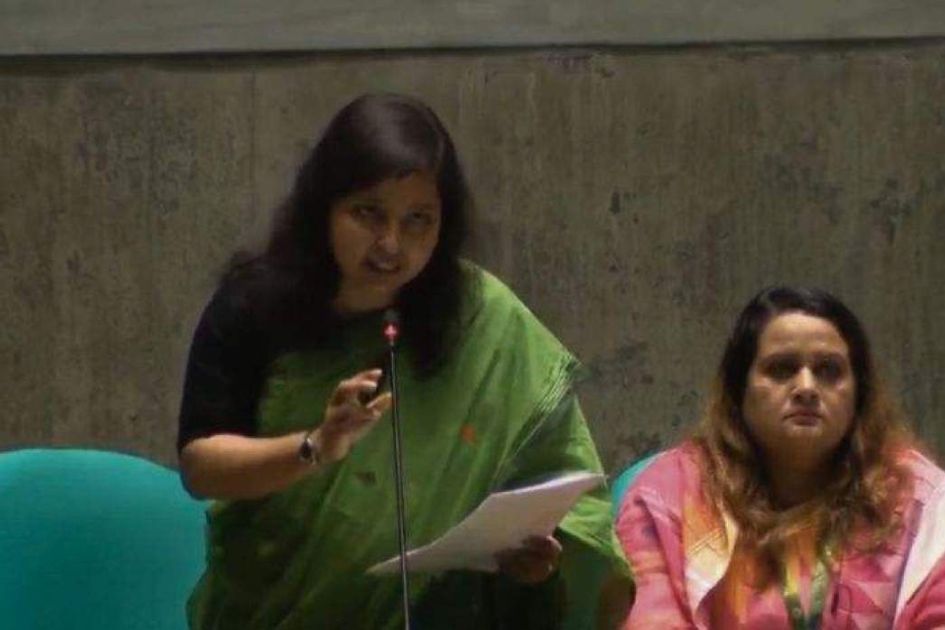
Raising the issue during the budget session in Parliament on Tuesday, Mansura Akter urged the government to reconsider the proposed tariff adjustment included in the 2026-27 fiscal budget.
Quoting her remarks in Parliament, she said, “The proposal to increase duty on bicycle freewheels, a component used in locally assembled bicycles, may push up bicycle prices. Many young women rely on bicycles as a safe, cheap and environmentally friendly mode of transport.”
Under the proposal, import duty on bicycle freewheels, a key component of locally assembled bicycles, would rise from 15 percent to 25 percent. A further 5 percent regulatory duty has also been proposed, which stakeholders say could increase production costs and potentially lead to higher retail prices in the domestic market.
The Tk 9.38 trillion budget was placed in Parliament on Thursday, with revisions proposed to customs duties on imported and locally assembled industrial inputs, including bicycle parts.
Bicycle industry stakeholders and environmental advocates have expressed concern that the proposed duty structure may discourage bicycle use at a time when transport costs are rising in urban and semi-urban areas. They note that cycling remains one of the most affordable and low-emission mobility options, particularly for students and low-income groups.
“We consistently speak about a green economy and sustainable transport, but making a zero-emission mobility option more expensive is counterproductive,” said Sohanur Rahman, Executive Coordinator of YouthNet Global.
He added that bicycles play an important role in affordable and inclusive mobility, especially for young people and women who rely on safe transport options in both urban and rural contexts.
The proposal is expected to be reviewed further during ongoing budget deliberations in Parliament.




