




The US Justice Department has backed Elon Musk’s xAI in a pollution lawsuit, arguing the AI data center is vital for economic growth, national security and technological innovation.
The US Justice Department has moved to dismiss a lawsuit accusing Elon Musk’s artificial intelligence company xAI of violating federal air pollution laws, siding with the tech billionaire’s firm in a case that has intensified debate over the environmental cost of the country’s rapidly expanding AI industry.
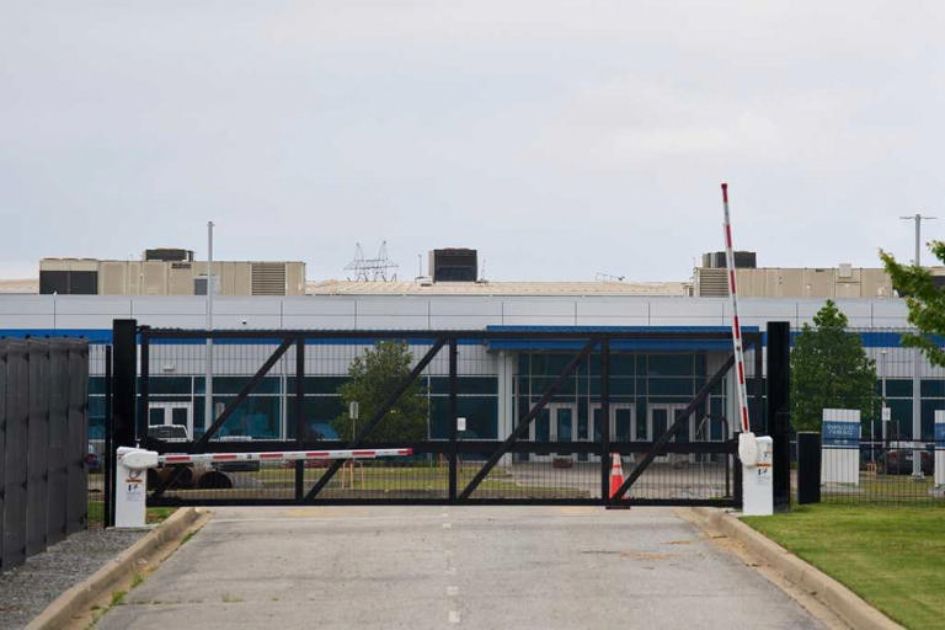
The lawsuit, filed in April by the NAACP and other advocacy groups, alleges that xAI operated dozens of natural gas turbines without proper permits at a massive AI data center in northern Mississippi. The facility, which supports a $20 billion project, is located near homes, schools and churches and poses serious health risks to surrounding communities in Mississippi and neighboring Memphis, according to the plaintiffs.
In a court filing submitted late Monday, the Justice Department argued that the power plant is necessary to operate an AI facility that is “critical to the economy” and important for US military requirements. The department also said Mississippi authorities, rather than the federal government, had concluded that the plant did not require a permit.
A senior Justice Department official said enforcement of federal law ultimately falls under the authority of the executive branch rather than private organizations. The official added that the intervention is intended to safeguard national security while supporting American innovation and energy development.
The move underscores President Donald Trump’s broader strategy of accelerating artificial intelligence development as a pillar of economic growth and national security while reducing regulatory burdens on businesses.
Trump has maintained close ties with Musk, who previously headed a federal cost-cutting initiative and remains one of the president’s most significant political and financial supporters.
The legal intervention also comes shortly after Musk’s space company SpaceX completed a major stock market debut that further boosted its valuation, supported in part by substantial federal contracts.
According to the lawsuit, xAI has been operating multiple portable gas turbines without required air pollution controls, allegedly violating the US Clean Air Act, which requires permits for industrial emissions.
The US Environmental Protection Agency said it is not directly involved in the litigation and referred inquiries to the Justice Department.
Environmental organizations sharply criticized the government’s position, describing it as an effort to shield powerful technology companies from accountability. They contend that communities located near such facilities are increasingly being treated as “sacrifice zones” exposed to elevated pollution risks.
The NAACP said the Clean Air Act was specifically designed to protect communities from this type of environmental harm and vowed to continue pursuing legal action in defense of environmental justice.
Legal experts have also expressed concern that the Justice Department’s intervention could establish a precedent allowing the federal government to step in and halt private lawsuits used to enforce environmental laws.
Mississippi Governor Tate Reeves, a Republican, defended the project, saying the data center includes a self-sustaining power system intended to prevent increases in electricity costs for residents. He said the project complies with federal commitments aimed at protecting ratepayers while encouraging investment.
Reeves also warned that the lawsuit could delay or block what he described as the largest private investment in Mississippi’s history. The project has already created thousands of construction jobs and is expected to generate hundreds of permanent positions.
The Justice Department, however, maintained that excessive regulation and private litigation risk slowing technological advancement while undermining US energy independence and national security.
The dispute comes amid growing national debate over the environmental impact of AI data centers, which consume vast amounts of electricity and water as demand for artificial intelligence infrastructure continues to surge.




