

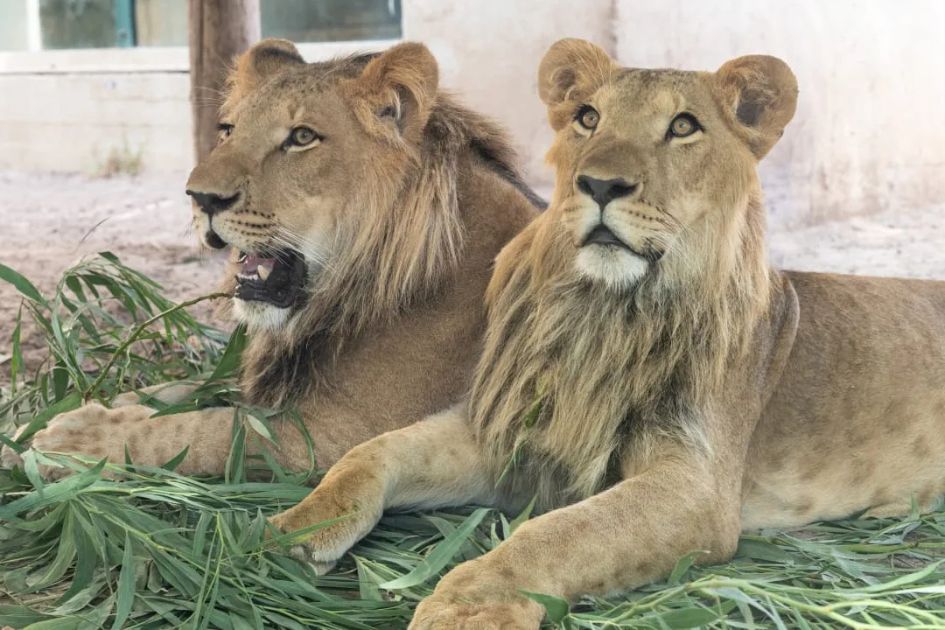



Two rescued lion cubs have begun a new life at a South African sanctuary as Israeli authorities warn wildlife trafficking is tied to wider criminal networks.
Two lion cubs rescued after being illegally trafficked into Israel last year have been relocated to a big-cat sanctuary in South Africa, the Israel Nature and Parks Authority (INPA) said on Thursday.
Ben Tzur and Uri arrived at the Animal Defenders International (ADI) sanctuary after a 30-hour journey that included a stopover in Germany. The pair were released into their new enclosure on Wednesday.
The two cubs are among six lions rescued in 2025 after being illegally smuggled into Israel and later found in areas under the jurisdiction of the Palestinian Authority.
Ben Tzur, the largest of the rescued cubs, was found tied to a tree, while Uri, the youngest, was discovered by police in Kafr Qassem in poor health. Both were taken to Hai Park in Kiryat Motzkin, where they remained temporarily before being transferred to South Africa.
The INPA said its cooperation with ADI would provide a suitable long-term home for the lions while drawing attention to the wider issue of illegal wildlife trafficking.
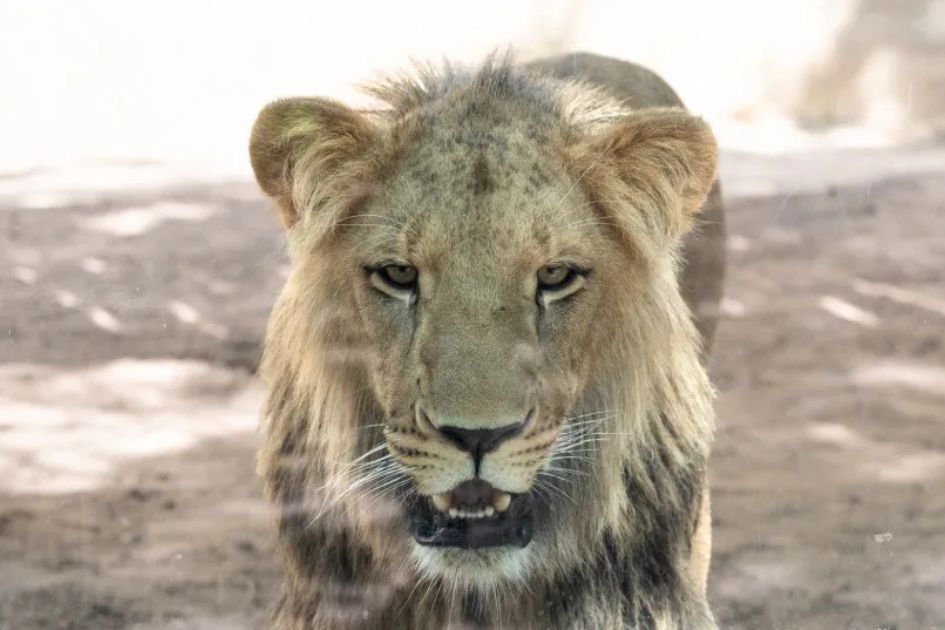
“The captured lion cubs have indeed captured public attention due to their unusualness, but they are only the tip of the iceberg of the disturbing criminal phenomenon,” said Ben Rosenberg, director of the Wildlife Protection Division at the Israel Nature and Parks Authority.
“In 2025 alone, more than 560 wild animals were captured that were illegally traded, and some of them were illegally smuggled, among them many reptiles, monkeys, birds, marine wildlife and more,” Rosenberg said.
Shai Peretz, chief prosecutor at the Israel Nature and Parks Authority, described the trade as a “cruel criminal phenomenon” and said enforcement efforts should focus not only on protecting animals but also on dismantling the criminal networks and financial interests behind the trade.
“The illegal trade in protected wildlife and protected natural values does not amount to harming the animals. It constitutes an economic engine for criminal elements, including criminal organizations and crime families, who derive enormous profits from this depraved trade,” she said.
Peretz said the Money Laundering Prohibition Law recognizes wildlife trafficking offences, as well as certain violations of the Wildlife Protection Law and the National Parks, Nature Reserves, National Sites and Memorial Sites Law.
She said the legislation provides enforcement authorities with additional tools to disrupt the financial infrastructure supporting the illegal wildlife trade.
“This is a real change in the perception of the fight against environmental crime, which will allow us to reach the perpetrators of crime themselves and more effectively combat the criminal organizations and families involved in the cruel trade in lion cubs, monkeys and other protected wild animals,” she said.




