


A nationwide campaign highlights the health dangers of lead exposure, unsafe battery recycling and contaminated consumer products, urging stronger safeguards to protect children and marginalised communities.
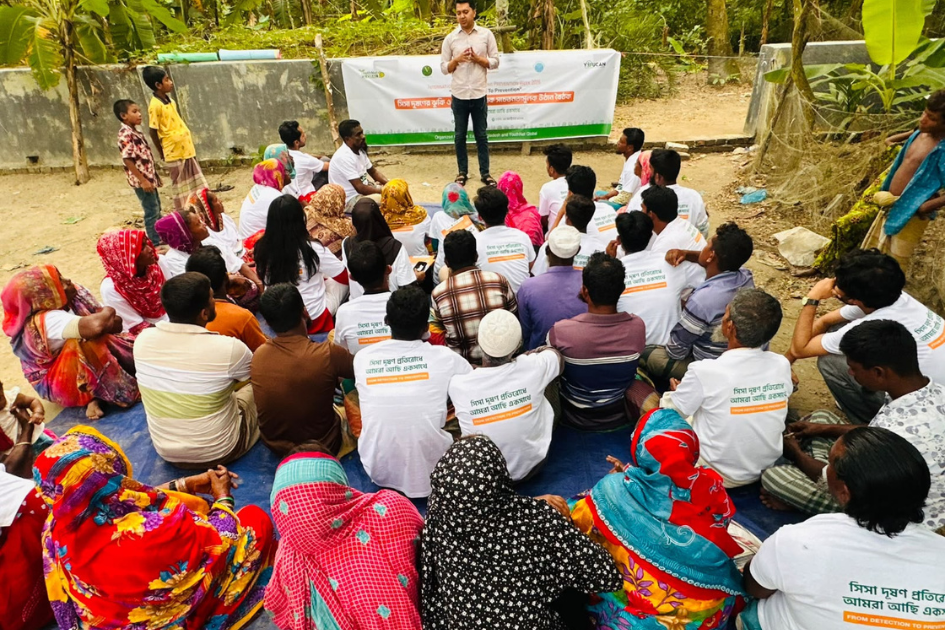
A courtyard meeting was held in Laharhat, Barishal, on Saturday (October 24) to raise awareness of the sources, health risks and prevention of lead pollution.
Organised by YouthNet Global and Pure Earth Bangladesh, the meeting brought together members of the Manta community, local representatives, civil society members, youth representatives and volunteers.
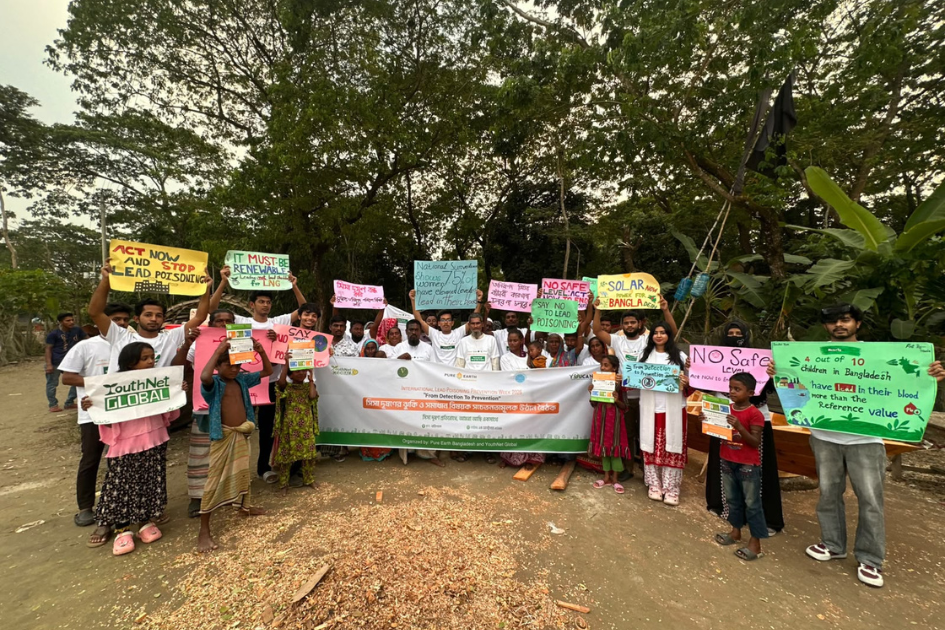
The event formed part of a weeklong campaign across Bangladesh’s eight divisions marking International Lead Poisoning Prevention Week 2026.
YouthNet Global is conducting the campaign with support from Pure Earth Bangladesh. Volunteer for Bangladesh, YouCan and Earth Development Foundation are co-organisers. Under the theme “Together, We Stand Against Lead Pollution,” activities include rallies, human chains, courtyard meetings, awareness campaigns at educational institutions and discussion sessions.
The activities have informed students, young people, teachers and local residents about the risks of lead exposure. They have also emphasised identifying pollution sources, taking preventive measures and engaging communities and young people in local prevention efforts.
According to a press release, lead exposure can impair children’s brain development, learning ability, memory and attention. Adults may also face increased risks of heart disease, kidney complications and other health problems. Pregnant women may experience miscarriage, bleeding, premature birth and other complications.
Unsafe recycling or reprocessing of used lead-acid batteries is a major source of lead pollution. People may also be exposed to the toxic metal through lead-containing paint, toys, aluminium cookware and cosmetics.
“Unplanned and unsafe recycling of lead-acid batteries puts not only workers but entire surrounding communities and the environment at risk,” said Sohanur Rahman, executive coordinator of YouthNet Global.
He stressed the importance of building public support against harmful industrial practices and strengthening demands for policy changes.
Mitali Das, country director of Pure Earth Bangladesh, said: “Government initiatives, safe consumer products, environmentally sound battery recycling and public awareness must advance together to prevent lead pollution. Protecting children, in particular, requires identifying sources of lead and taking effective measures to reduce blood lead levels.”
Arifur Rahman Shuvo, general secretary of YouthNet Global, said: “Our organisation has worked on lead pollution prevention before, but we had not had the opportunity to raise awareness among the Manta community. This event in Laharhat was organised to address that need.”
He emphasised the importance of bringing accurate information to marginalised communities.
Sazid Mahamud, the organisation’s divisional coordinator, called for greater awareness of the harmful effects of lead to protect mothers and children.
“Collective action by local communities and young people can help advance prevention efforts,” he said.
The organisers said awareness efforts must be accompanied by safe consumer products, environmentally sound operations at battery factories, and effective implementation of laws and policies.
They urged coordinated action by the government, industry and other stakeholders to ensure environmentally sound recycling of used lead-acid batteries, identify contaminated sites, clean up polluted soil and ensure consumer product safety.