

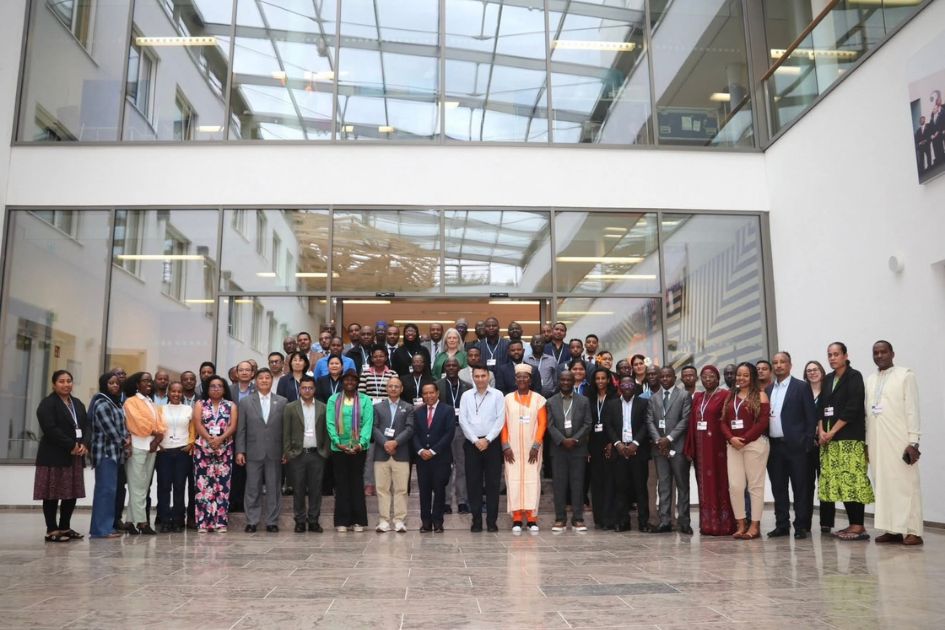



Least Developed Countries urged faster emissions cuts, scaled-up climate finance and stronger support for adaptation and loss and damage as negotiators gathered in Bonn to prepare key decisions ahead of COP31.
The Least Developed Countries (LDC) Group, representing 44 nations and more than one billion people on the frontlines of the climate crisis, has urged urgent progress on ambition, accountability and scaled-up climate finance as UN climate negotiations opened in Bonn on Monday.
The call came at the start of the Sixty-Fourth Sessions of the Subsidiary Bodies under the UN climate process, known as the SB64 Bonn Climate Meetings, where countries are laying the groundwork for decisions leading up to COP31.
The LDC Group warned that the world remains significantly off track to meet the goals of the Paris Agreement and said the growing risk of exceeding the 1.5°C threshold demands urgent corrective action during this critical decade.
Speaking on behalf of the group, Adao Barbosa said the Bonn meeting must restore confidence in multilateral climate cooperation and ensure that global promises translate into real delivery for vulnerable countries.
“For the 44 LDCs, climate change is not a future threat; it is a daily reality,” he said, pointing to worsening droughts, floods, sea-level rise, food insecurity and ecosystem loss across member states.
The group urged major emitters to accelerate emissions reductions in line with the latest science and the outcomes of the Global Stocktake under the UNFCCC, warning that current trajectories are incompatible with limiting global warming to 1.5°C.
Climate finance remains at the centre of LDC priorities. The group called for the urgent implementation of the New Collective Quantified Goal (NCQG), a tripling of adaptation finance and expanded grant-based support with simplified access for least developed countries.
It also pushed for strengthening the Adaptation Fund and ensuring a smooth transition for it to fully serve the Paris Agreement, alongside faster operationalisation of the Fund for Responding to Loss and Damage to support countries already facing irreversible climate impacts.
The LDCs further highlighted the importance of progress on adaptation indicators, just transition, technology transfer, agriculture and food security, capacity-building and climate education, while cautioning that emerging trade-related climate measures must not place additional burdens on vulnerable economies.
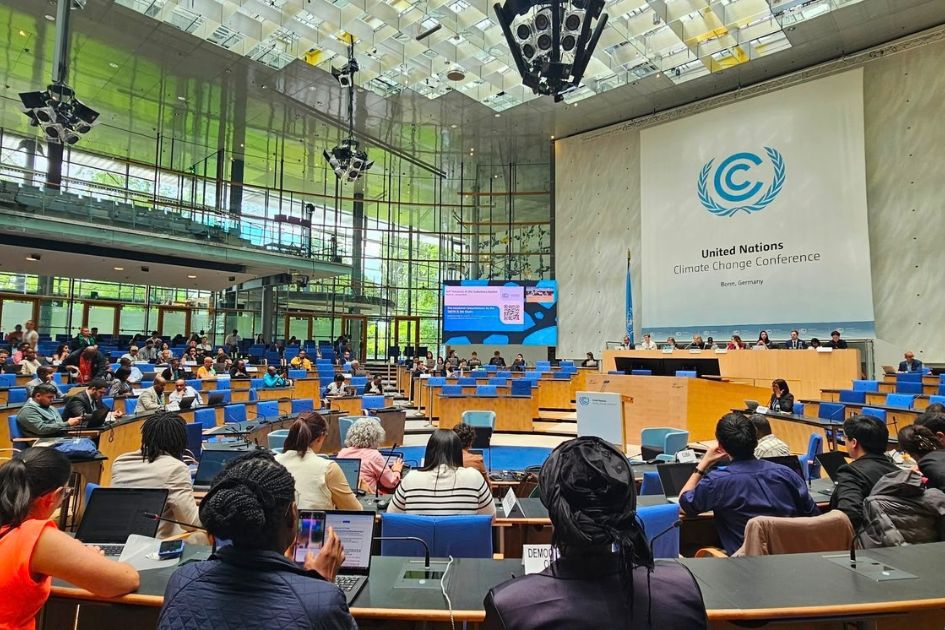
The group also pointed to the growing relevance of recent international legal developments, including the UN General Assembly resolution on the International Court of Justice advisory opinion on climate change, as significant for clarifying state obligations and climate justice responsibilities.
“Implementation without support cannot deliver the transformation vulnerable countries require,” Barbosa said. “The success of the Paris Agreement will be measured not by decisions in negotiating rooms but by whether people on the ground can access the finance, technology and capacity needed to build resilience.”
As negotiations begin, the LDC Group reaffirmed its commitment to constructive engagement with all parties while stressing that climate justice, solidarity and support for vulnerable nations must remain central to outcomes shaping the path toward COP31.




