




The revived Teku project will use biodegradable waste to generate clean energy and organic fertilizer, with AEPC citing World Bank-backed support for municipal waste-to-energy and commercial biogas initiatives.
Kathmandu Metropolitan City and the Alternative Energy Promotion Centre have signed an agreement to restart the waste-to-energy plant at Teku and ensure its long-term operation, officials said.
The agreement was signed by AEPC Executive Director Navaraj Dhakal and KMC Chief Administrative Officer Saroj Guragain. Under the agreement, the project will resume operations within the next two months.
The plant built with NPR 18 million in support from the European Union operated for a short period before it was shut down. AEPC said the funds required to restart the project will come from the Mini Grid Energy Access Programme, which is supported by the World Bank.
Earlier, Minister for Energy, Water Resources and Irrigation Biraj Bhakta Shrestha directed officials to restart the project during the current fiscal year and develop it as a model waste-to-energy project.
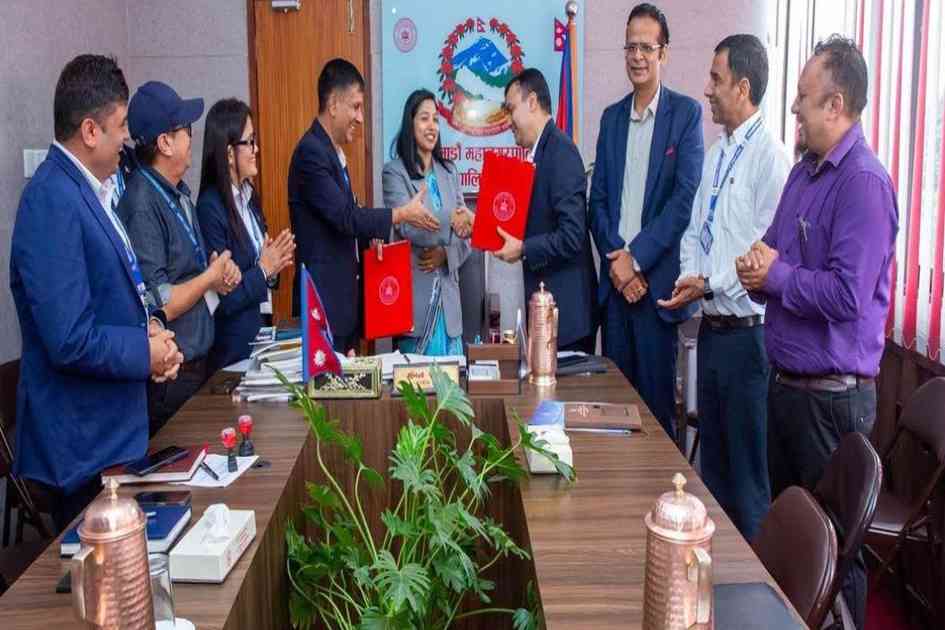
After the signing ceremony, Acting Mayor Sunita Dangol of Kathmandu Metropolitan City said she was confident the project would be completed on time. She also said the city looked forward to working with AEPC on similar projects in the future.
Dhakal said all necessary preparations to restart the project had been completed. He added that AEPC would continue working closely with Kathmandu Metropolitan City on future renewable energy projects.
According to AEPC, it has been supporting waste-to-energy and large commercial biogas projects with World Bank support since 2014. So far, seven municipalities have implemented waste-to-energy projects and more than 20 large commercial biogas projects have received support.
Officials believe such projects will help manage biodegradable waste, produce clean energy and generate organic fertilizer, contributing to a cleaner environment and a circular economy.




