

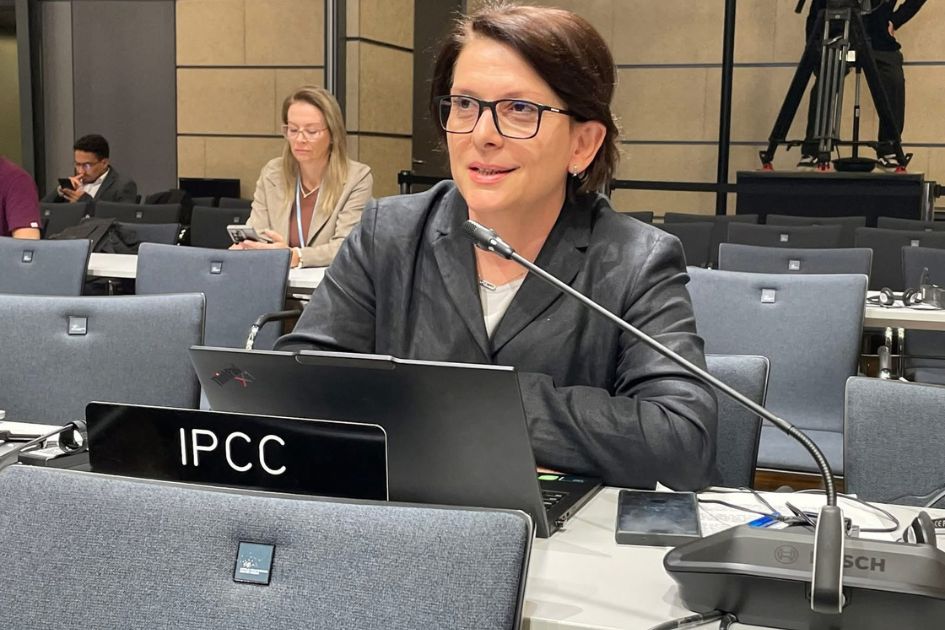

The IPCC reported progress across its Seventh Assessment Cycle at SB64 but warned that severe funding shortfalls could undermine scientific assessments and limit developing countries’ participation in climate research.
The Intergovernmental Panel on Climate Change (IPCC) has warned of a significant funding shortfall even as it reported steady scientific progress across its Seventh Assessment Cycle during the opening plenary of SBSTA 64 (Subsidiary Body for Scientific and Technological Advice), held under the SB64 Bonn Climate Change Conference, which began on 8 June and will run until 18 June in Bonn.
IPCC Deputy Secretary Ermira Fida told delegates that all reports in the current cycle have been scoped and authors selected, with work advancing across all Working Groups. She cautioned that only 19 per cent of the approved 2026 budget has been received so far, raising concerns over the functioning of the IPCC Trust Fund and the participation of developing countries in the assessment process.
Fida said the first report of the cycle, the Special Report on Climate Change and Cities, is currently undergoing expert and government review of its second-order draft, while the Summary for Policymakers is under preparation.
She added that two methodology reports, on Short-Lived Climate Forcers and on Carbon Dioxide Removal Technologies, Carbon Capture, Utilisation and Storage, are progressing on schedule, with review processes and author meetings continuing through 2026 and 2027.
Working Groups I and II have advanced their first-order drafts, while Working Group III continues its work through a mix of virtual and in-person meetings due to travel constraints, with further sessions planned later this year.
A series of expert workshops is also underway on land use, adaptation metrics, tipping points, health, agriculture, biodiversity, inventories and inclusive knowledge systems.
Fida said consultations among member governments are ongoing to finalise timelines for the Working Group reports, with a decision expected at the next IPCC plenary session in October.
The IPCC also highlighted its engagement in Bonn through the 18th Research Dialogue and side events focusing on the assessment cycle and diverse knowledge systems.
The Panel urged member governments to increase and sustain voluntary contributions, stressing that stable funding is essential for completing the Seventh Assessment Cycle and ensuring equitable participation of developing countries in global climate science.




