

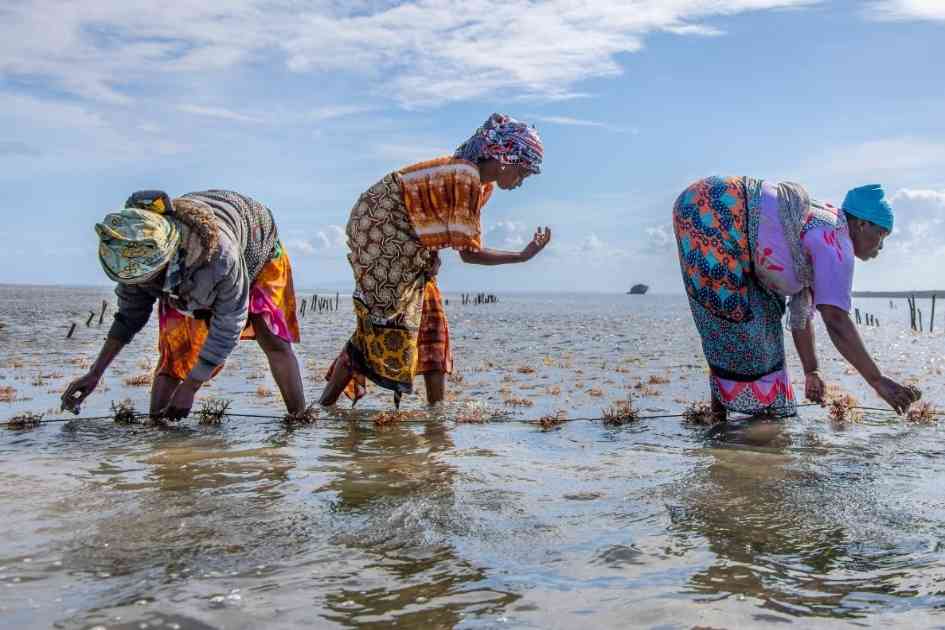



A six-continent study documents how cultural rules, sacred sites and local monitoring help sustain forests, rivers and fisheries as shifting weather weakens traditional ecological signals.
Indigenous practices rooted in centuries of close relationships with land and water are helping protect some of the world’s most important ecosystems, but climate change is increasingly disrupting the natural patterns on which that knowledge depends, according to a new Conservation International study.
The research, published on June 16 in Nature Humanities and Social Sciences Communications, examined Indigenous knowledge in 43 communities across six continents, documenting cultural beliefs, monitoring systems, spiritual practices and rules governing natural resources.
Indigenous Peoples make up roughly five percent of the global population but steward more than a quarter of the Earth’s land. Their territories provide important refuges for rare wildlife and contain large stores of carbon in old-growth forests, preventing it from contributing to climate change.
Conservation International scientist Sushma Shrestha Sangat and her team sought to understand why Indigenous stewardship has proved so effective by examining the practices, rituals and relationships with nature that have developed over centuries.
Researchers found that across dozens of distinct cultures, knowledge systems were closely shaped by specific landscapes and had become deeply connected to community identity.
Shrestha Sangat said Indigenous knowledge survives because people remain connected to the land where it developed, warning that the disappearance of either could lead to the loss of both.
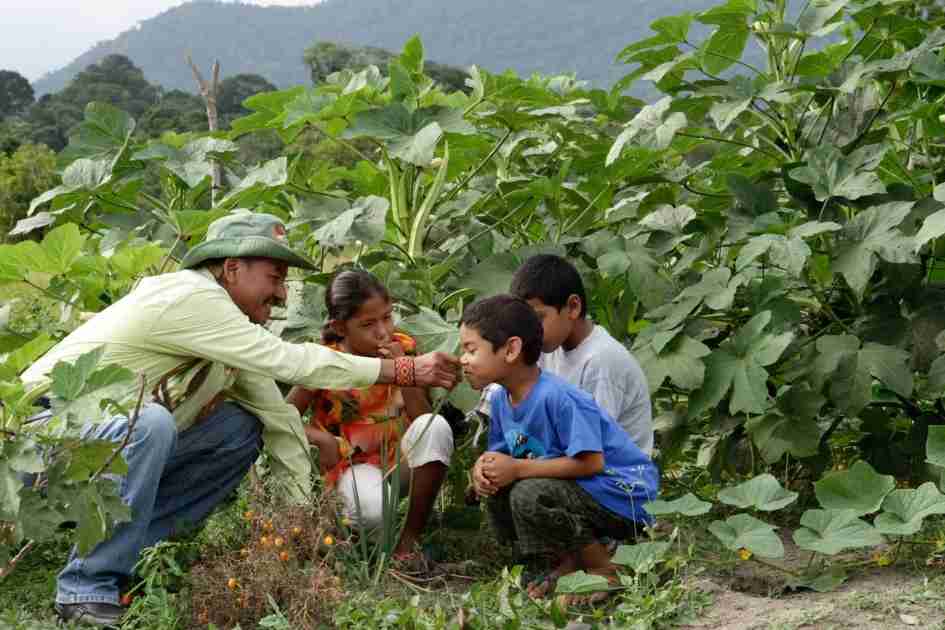
She said Indigenous knowledge should not simply be viewed as a resource that can be documented, extracted and applied elsewhere because it survives through practice and is fundamentally part of culture.
The research team was majority Indigenous, an approach that co-author and Conservation International scientist Allie Goldstein said helped create access to conversations that might otherwise have remained closed.
Traditional knowledge is rarely represented in peer-reviewed scientific journals, but the researchers sought to bring the findings into scientific literature. The Indigenous people interviewed for the study were described as experts rather than research subjects or informants.
Goldstein said participants told the researchers that the distinction mattered to them.
Across the communities surveyed, researchers identified distinctive systems based on observation, experimentation and adaptation developed over thousands of years.
In Cambodia, the Kuy people protect an area of old-growth forest known as the “ghost forest”, which their tradition regards as a gathering place for the dead. Harvesting and construction are prohibited there.
Scientists have also identified the area as one of the region’s best-protected forest reserves, though conserving biodiversity was not the original purpose of the practice.
Shrestha Sangat said the tradition was centred on maintaining a belief system rather than deliberately creating a conservation area, with nature forming an integral part of that worldview.
Similar practices were documented elsewhere.
In Ecuador, the Shuar maintain sacred sites around waterfalls where ceremonies take place. Malaysia’s Dusun communities preserve forest areas containing plants used in rituals, while Potawatomi communities in the United States protect maple stands in locations known only within the community.
Researchers found that 90 percent of the Indigenous communities covered by the study had land set aside for cultural or spiritual reasons, indirectly helping preserve natural ecosystems.
Water management was another recurring feature of Indigenous stewardship.
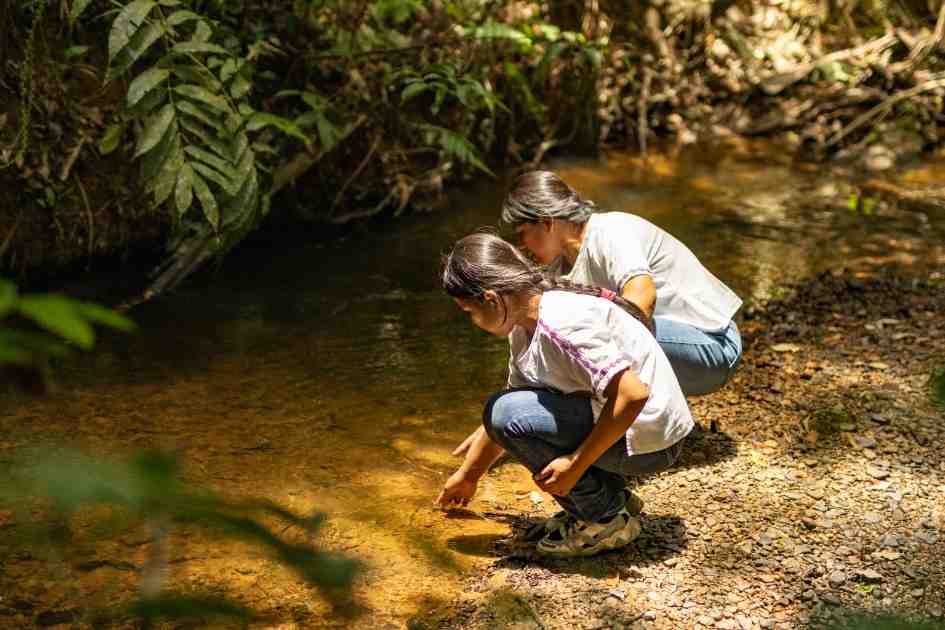
In the Ecuadorian Amazon, Kichwa communities maintain buffer zones extending as far as 500 metres along rivers, allowing natural areas to regenerate. Trees beside the river are not felled.
The Tacana people in Bolivia follow a similar practice, prohibiting logging beside rivers to safeguard their water supply.
The researchers said such approaches demonstrated the importance of local knowledge when decisions affecting rivers and water systems are made.
Brazil’s Das Mortes River flows through six Xavante Indigenous territories and already has two hydroelectric power plants along its course, with further projects proposed.
Brazilian law considers only communities within 40 kilometres of a dam to be affected, but a Xavante community member told researchers that impacts were not confined to that distance because the river continued through their territories.
Monitoring territory also emerged as a common practice among Indigenous communities in Bolivia, Guyana, Indonesia, Mexico, Peru, the Philippines and Venezuela.
In Bolivia, Chiquitano guardians patrol their territory on foot and report their observations to community assemblies, including illegal logging, encroachment and other changes to the landscape.
They are also receiving training to use drones.
Shrestha Sangat said Indigenous communities were increasingly combining traditional methods of observing weather and environmental change with modern technologies including barometers, water gauges and social media.
She said territorial monitoring could also be understood as a form of data collection.
Among the Yukagir people of Siberia, silence is observed near water each July during the salmon spawning period, a practice that has helped sustain the fishery for generations.
In Malaysia, the Dusun use environmental signals to anticipate weather hazards. The sudden appearance of a particular plant can signal the approach of the monsoon, while the disappearance of certain animals from a riverbank may indicate an approaching flash flood.
Candido Pastor, a study co-author who leads Conservation International’s Amazonia programme, said Indigenous monitoring depends on close and continuous observation of the natural world.
That relationship, he said, allows communities to keep learning and adapting, identifying changes and responding before they develop into crises.
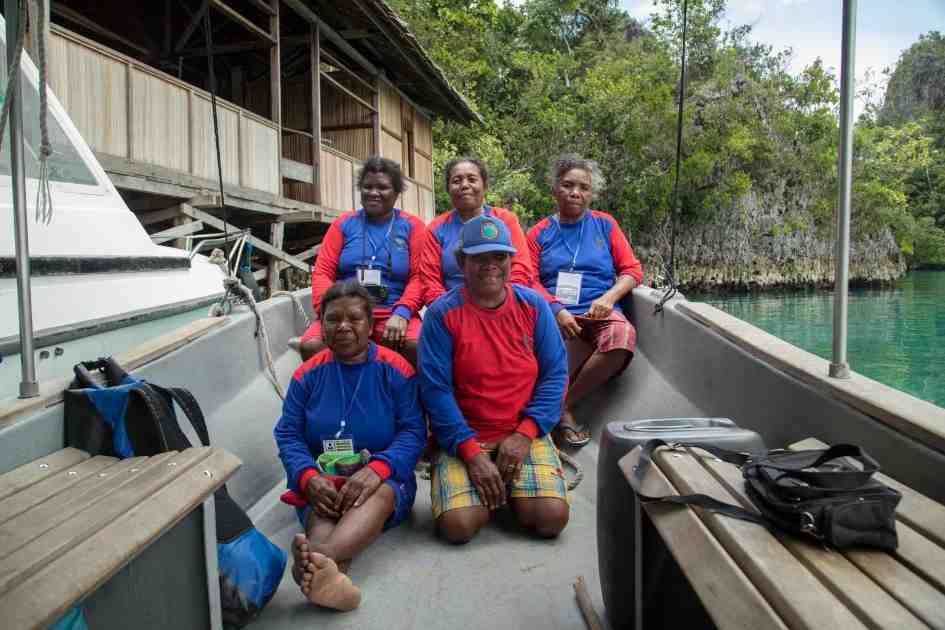
But researchers found those long-established systems increasingly under pressure from climate change.
Every one of the 43 Indigenous communities interviewed across all habitable continents reported that climate change was affecting their lives.
A member of Brazil’s A’uwe Uptabi community described how traditional calendars had once provided a predictable sequence of rain, sunshine, sowing, crop growth and harvesting.
That predictability, the community member said, had disappeared, making the traditional agricultural process increasingly difficult to follow.
In Thailand, warmer conditions in highland areas are bringing mosquitoes and diseases including malaria and dengue into communities that had not previously experienced them.
In Mexico, flooding is destroying crops along riverbanks where communities have cultivated land for centuries.
Guyana’s Wapichan people reported that environmental indicators they had traditionally relied upon, including ant behaviour before rain and animal movements ahead of storms, were becoming less dependable.
One Wapichan community member said traditional knowledge had been built around patterns that could previously be observed every year, but those patterns were now disappearing, making the knowledge harder to rely on.
Shrestha Sangat said that when environmental patterns are disrupted, the knowledge systems built around those patterns are also affected.
She said cultural and ecological survival therefore could not be separated because Indigenous communities and their environments had shaped one another over centuries, meaning the protection of one depended on safeguarding the other.
Source: Conservation International




