




Authorities shut an illegal lead-smelting unit in Gazipur forest after a media report exposed toxic battery recycling, prompting seizures, legal action and calls for stronger hazardous waste enforcement.
Authorities in Bangladesh have shut down an illegal lead-smelting operation hidden inside a forested area in Kaliakair upazila of Gazipur district following a media report that exposed severe environmental and public health risks linked to unregulated battery recycling.
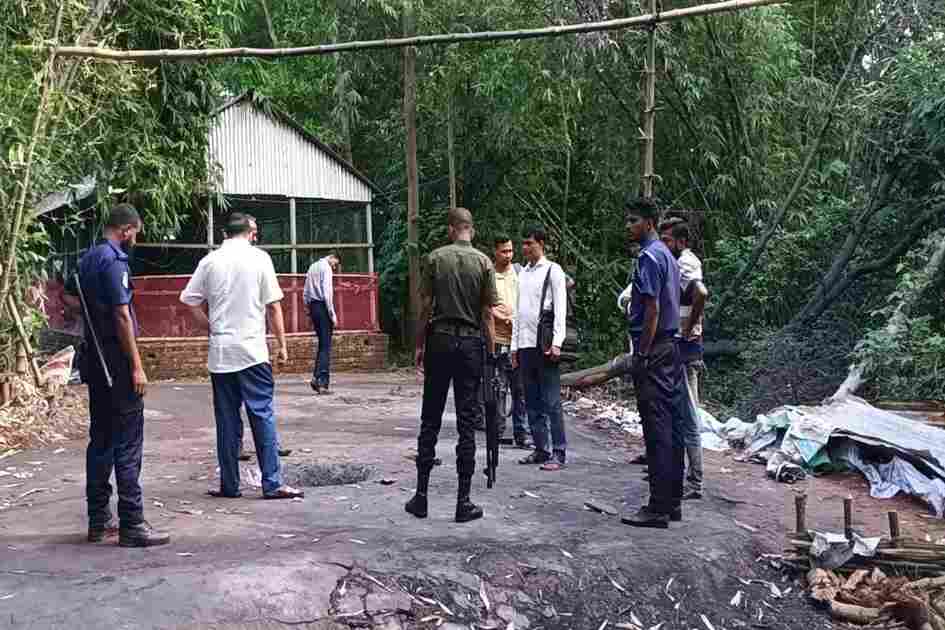
A mobile enforcement team led by Upazila Nirbahi Officer (UNO) HM Fakhrul Hossain conducted a raid on Monday afternoon in the Cacharas area under Mouchak Union where used batteries were being burned in open furnaces to extract lead without any authorization.
The action came a day after a local investigative report highlighted multiple unregulated battery-processing units operating deep inside forest land, raising concerns over toxic emissions and environmental damage in surrounding villages.
Officials said those involved fled after sensing the arrival of the enforcement team, while equipment and raw materials used in the illegal operation were seized and the site was immediately sealed.
Residents said the facility had been operating mainly at night for months, releasing thick black smoke and a strong chemical odor that made daily life unbearable in nearby villages.
“We can’t sleep or eat properly because of the smell. It feels like it stays in our bodies,” said Jahirul Islam, a local resident, describing prolonged exposure to toxic fumes.
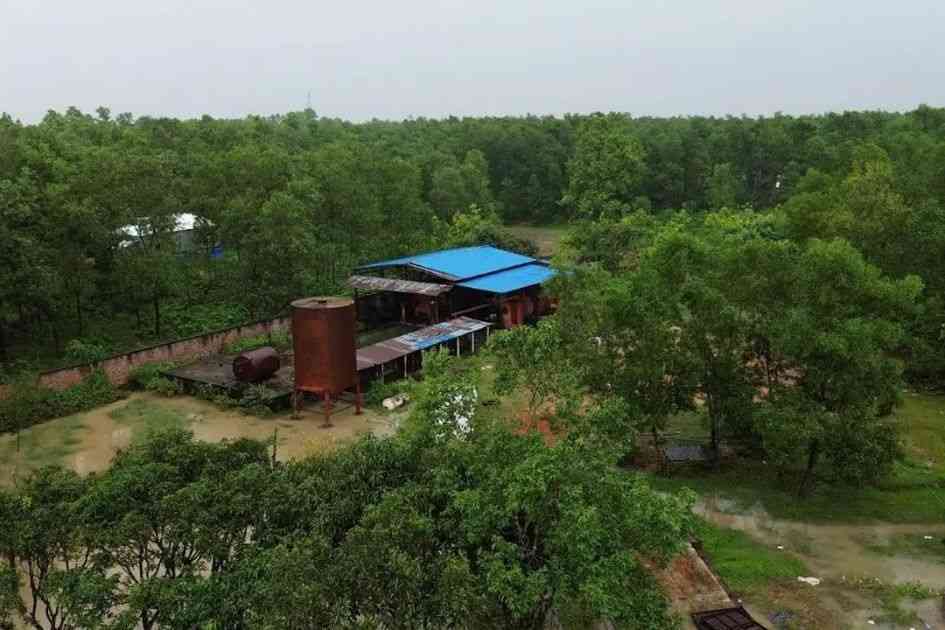
Others reported soot-like deposits forming on rooftops, trees and crops, raising fears of long-term contamination of soil, water and air.
Environmental experts warn that informal battery smelting exposes communities to lead and acid emissions, which can cause serious neurological, developmental and long-term health problems, particularly among children, while also damaging surrounding ecosystems.
According to a new study by Pure Earth, about 80 percent of used lead-acid batteries are currently processed through informal and illegal facilities, creating serious public health, environmental and economic risks. The report adds that millions of easy bikes and e-rickshaws depend on lead-acid batteries, and their short lifespan means large volumes of used batteries enter the recycling chain every year.
Sohanur Rahman, executive coordinator of YouthNet Global, said the incident reflects a broader governance challenge in managing hazardous waste and ensuring safe recycling systems.
“This is not an isolated incident but part of a wider systemic failure in hazardous waste governance. Lead pollution from informal recycling is quietly affecting communities, ecosystems and future generations. Without strict enforcement, supply chain accountability and a just transition to safe recycling systems, such risks will continue to grow,” he said.
Officials confirmed that the facility had no legal authorization, stressing that battery smelting is strictly prohibited in forested and residential areas because of its hazardous nature.
“The units were operating at night. As soon as our team arrived, the operators fled. We have seized all equipment and shut down the site,” said UNO HM Fakhrul Hossain, adding that legal proceedings would follow and further drives were planned in the area.
Authorities also said intelligence information suggests at least one additional illegal facility is operating in the region and is expected to be targeted in upcoming enforcement actions.
Environmental groups have called for sustained monitoring and stronger enforcement against illegal battery recycling, warning that unchecked operations could pose long-term risks to public health, biodiversity and environmental safety in Bangladesh’s rapidly industrializing areas.




