

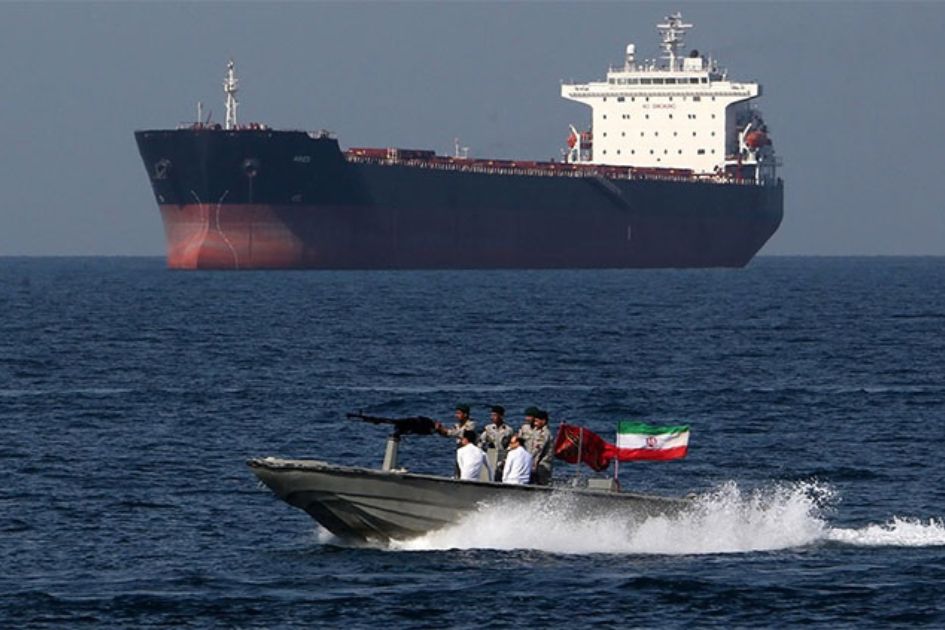



Experts say Strait of Hormuz crisis exposes fossil fuel dependence, urging Bangladesh, Pakistan and Nepal to reform energy policy, boost renewables and strengthen regional resilience against global shocks long term.
Escalating tensions around the Strait of Hormuz are exposing deep energy vulnerabilities across South Asia, with experts urging urgent policy reforms and a faster shift to renewable energy, a webinar heard on Wednesday.
The international webinar, titled “Economic and Energy Security Implications of Conflict in West Asia for Bangladesh,” brought together leading experts, policymakers and civil society representatives to assess the fallout of the crisis for countries heavily dependent on imported fossil fuels.
It was jointly organised by the Bangladesh Environmental Lawyers Association (BELA), the Coastal Livelihood and Environmental Action Network (CLEAN) and the Swedish International Development Cooperation Agency (SIDA).
Speakers said geopolitical instability in West Asia is intensifying structural weaknesses in fossil-fuel-dependent economies such as Bangladesh, Pakistan and Nepal. At the same time, they described the crisis as a critical opportunity to accelerate a just and decentralised transition to renewable energy.
A diverse panel from environmental, legal and economic institutions across South Asia shared insights on energy security, policy reform and transition pathways. The session was moderated by Bareesh Hasan Chowdhury of BELA.
Participants highlighted emerging regional opportunities, including renewable-powered irrigation systems in Bangladesh that are lowering agricultural energy costs and increasing renewable adoption in export-oriented sectors such as the ready-made garments industry. Nepal’s lower import duties on electric vehicles were also cited as a regional policy benchmark.
They also pointed to the growing role of merchant power purchase agreements and decentralised renewable systems in expanding industrial access to clean energy.
However, experts warned of persistent structural challenges, including weak coordination between energy and transport planning, delays in grid modernisation and energy storage investment and limited inclusion of independent technical expertise in policymaking.
They also flagged fossil fuel-biased tariff and trade structures along with short political cycles that undermine long-term planning.
Delivering the keynote presentation, CLEAN chief executive Hasan Mehedi said the Strait of Hormuz crisis should be seen as a systemic warning.
“This is not only a geopolitical risk. It is a signal that our energy systems are structurally unsustainable. The time has come to reduce dependence on imported fossil fuels and scale up decentralised renewable solutions,” he said.
Advocate Syeda Rizwana Hasan of BELA said a just energy transition requires strong legal and policy frameworks that ensure access to renewable energy and place environmental justice at the centre of decision-making.
Speakers said Bangladesh, Pakistan and Nepal are increasingly exposed to global energy shocks due to heavy reliance on imported fuels, particularly from the Middle East. Rising debt burdens, delayed grid upgrades and policy bias towards fossil fuels were identified as key drivers of vulnerability.
They added that global energy finance continues to be shaped by political and corporate interests, limiting equitable access to funding for renewable transitions in developing countries.
Pakistan’s rapid, consumer-led solar expansion was cited as a key regional example. Around 7,000 megawatts have been installed through net metering, driven by households, industries and private investment, helping ease pressure on the national grid and reduce fiscal strain.
Hussain Jarwar of Indus Consortium, Pakistan said structural inefficiencies persist, particularly high capacity payments for underutilised fossil fuel plants that continue to raise electricity costs for grid-dependent consumers.
Echoing the point, Golam Moazzem, research director at the Centre for Policy Dialogue, said Pakistan’s experience shows the transformative potential of consumer-led renewable adoption and the need for policy frameworks to evolve quickly.
In closing remarks, Munir Uddin Shamim of ETI Bangladesh and Sajedul Hoq of the Bangladesh Traffic and Transport Forum stressed that energy transition cannot be pursued in isolation.
They said transport systems, infrastructure readiness and fiscal planning must be integrated to avoid fragmented and ineffective policy outcomes.
The webinar concluded with a call for coordinated regional action to accelerate renewable deployment, strengthen energy resilience and align policies with long-term sustainability goals.




