

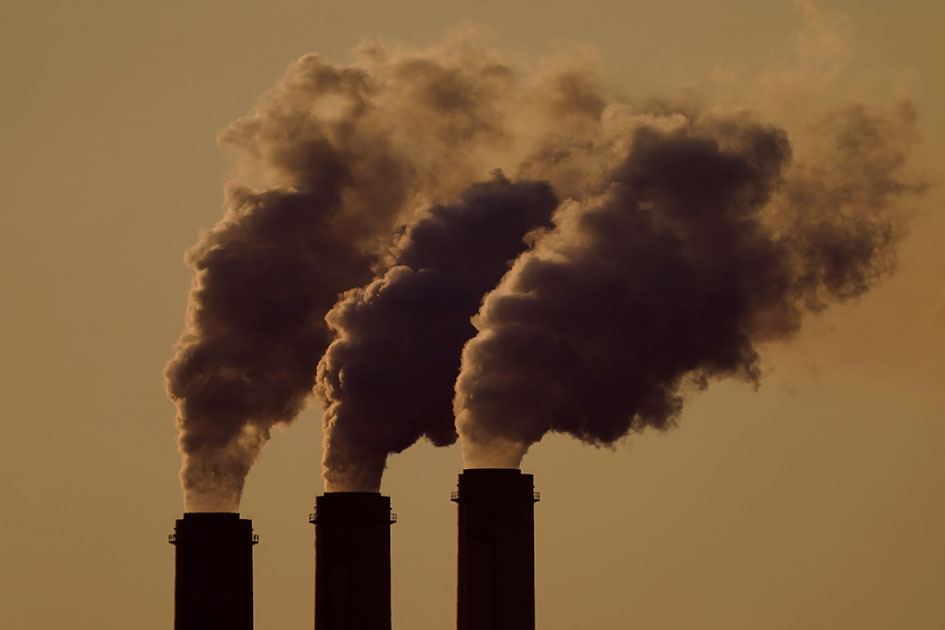



Bangladesh is a country particularly vulnerable to the impacts of climate change
Bangladesh is currently in a crucial transition period. While we are trying our best to reform, it cannot remain the same system that was for certain industries and corrupt people. The energy sector is one of the most important places to begin a reform initiative.
As a climate justice activist, I have been calling for a Fossil Fuel Non-Proliferation Treaty since 2021, around the same time that Prof Muhammad Yunus – now the head of government in Bangladesh – first endorsed the proposal for a global treaty to manage a fast and fair transition away from coal, oil, and gas extraction.
Bangladesh is a country particularly vulnerable to the impacts of climate change. Being a low-lying country, we are highly susceptible to sea-level rise, which could lead to coastal erosion, displacement of communities, and saltwater intrusion into agricultural lands.
Our nation is prone to cyclones, floods, and droughts, which can have devastating consequences for its population and economy. The primary cause of this threat is the fossil fuel industry.
Yet it is not only the climate crisis that the fossil fuel industry is at the heart of, but it is also intertwined with decades of corruption in Bangladesh. The wave of corruption cases increasingly shows the role of the fossil fuel industry in an era of deception and misconduct.
Fossil fuel companies monopolised the energy sector through unnecessary power plant constructions, contract extensions, inflated service charges on fuel imports, and excessive capacity payments.
With the former government’s support, the Bangladesh Power Development Board (BPDB) had to buy power from privately owned fossil fuel-based plants at higher prices. Out of those, a large part of the power generation capacity remains unused throughout the year.
But even if the power is not purchased, as per the agreement, BPDB as the sole power buyer had to pay the capacity charges to the power plants.
Additionally, the country has been left in bad shape due to electricity imports from an Indian company – dependent on fossil fuels that makes us more vulnerable to price fluctuations and supply disruptions.
It indicates that we need to reform our energy sector, to one free of fossil fuels. If we bring change, we need to depend on a new system, to stop the dependency on fossil fuel imports, and avoid monopolising the market by fossil fuel lobbyists.
For that, we are calling on the current Government to join the bloc of countries seeking to negotiate a Fossil Fuel Non-Proliferation Treaty.
While Bangladesh is facing significant losses and damages due to climate change, and an era of fossil-fueled corruption, the climate movement in Bangladesh has been calling for justice and rights.
After a successful mass resistance and protest, the student movement won justice and rights for the people of Bangladesh. We call it Independence 2.0, yet our work is not over – now begins the challenging work of creating actual, lasting reform.
Currently steering this effort as Chief Advisor to the interim government is Dr Mohamad Yunus, the only ever Nobel laureate from Bangladesh. I am truly hopeful about the next chapter under his leadership as he has been a champion of climate action and justice for decades.
A key element of this leadership has been his support for the negotiation of a Fossil Fuel Treaty since 2021.
Global treaties have historically proven effective in addressing worldwide threats such as protecting the ozone layer and phasing out landmines. The Fossil Fuel Non-Proliferation Treaty would provide a similar international framework to phase out fossil fuels based on three pillars:
- Non-Proliferation – Ending the expansion of new coal, oil, and gas fields.
- A Fair Phase Out – Transitioning away from existing production in line with 1.5C, with wealthy countries shifting first and fastest.
- A global just transition – Support and financing a global shift to renewables in which no worker, community, or country like ours is left behind.
The Fossil Fuel Treaty proposal aligns with Bangladesh’s national climate change strategy, which aims to reduce vulnerability to climate change and promote sustainable development.
Supporting the Fossil Fuel Treaty and a fast and fair transition away from fossil fuels can attract investment in renewable energy projects, creating jobs and boosting the economy.
As a youth champion of the Fossil Fuel Treaty initiative, I urge the interim government to take the initiative to endorse the treaty proposal during the COP29 UN Climate Talks in Baku.
By endorsing the Fossil Fuel Non-Proliferation Treaty, Bangladesh, under Dr Yunus’s leadership, can demonstrate its commitment to addressing climate change and protecting its population from the devastating impacts of global warming. We could take the lead as the first nation in South Asia to back this bold, powerful, and historic proposal.




