

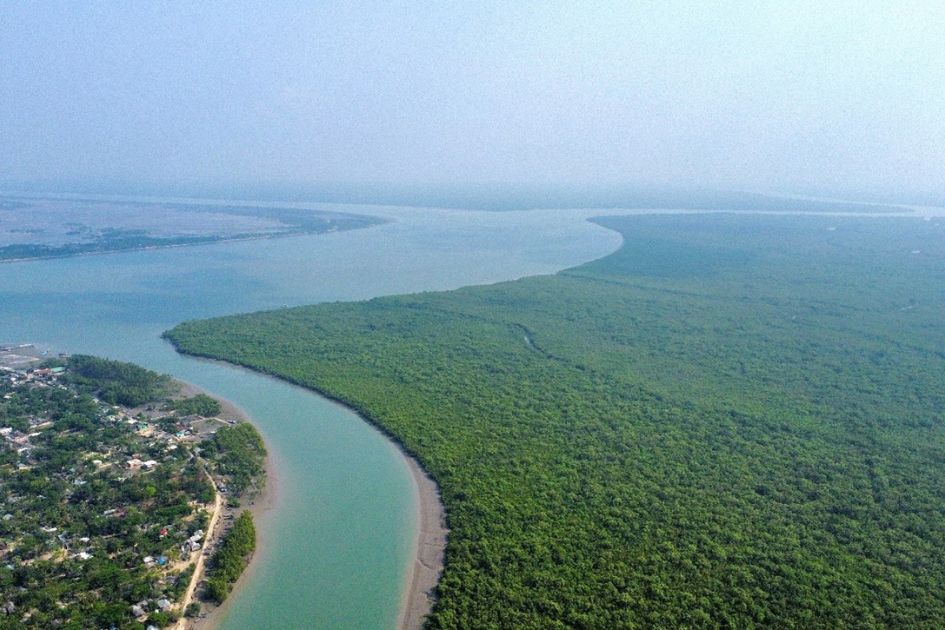



Bangladesh’s biodiversity is under mounting pressure as wetland loss, climate change, and human-wildlife conflict intensify, despite new conservation laws and efforts to protect fragile ecosystems.
Bangladesh’s rich biological diversity, once sustained by vast wetlands, dense forests and the world’s largest mangrove ecosystem in the Sundarbans, is facing an accelerating crisis. Recent data and policy developments from 2025–2026 reveal a troubling pattern: while conservation efforts are expanding, environmental degradation continues to outpace protection.
One of the most alarming trends is the rapid disappearance of wetlands, which are central to Bangladesh’s ecological and economic systems. Since 1990, the country has lost approximately 1.2 million acres of wetlands, largely due to unplanned urbanization, infrastructure development and encroachment. The situation is particularly severe in Dhaka, where nearly 60% of water bodies have vanished between 1980 and 2024. This loss has not only reduced fish habitats and biodiversity but has also contributed to an increase in urban temperatures by 3–5°C, intensifying the effects of climate change.
Beyond the capital, wetland degradation is equally stark. In northwestern regions, more than 57% of wetlands disappeared between 1989 and 2020, threatening local livelihoods and diminishing critical ecosystem services such as flood control and groundwater recharge. These ecosystems are essential for sustaining fish diversity, migratory birds and rural economies, making their decline a national concern.
At the policy level, the government has taken notable steps. The passage of the Bangladesh Haor and Wetland Conservation Act 2026 marks a significant milestone in environmental governance. The law introduces stricter penalties, including fines of up to Tk 10 lakh and imprisonment for activities that damage wetland ecosystems. In parallel, the Third National Faunal Red List has been introduced to reassess the conservation status of wildlife species, reflecting growing recognition of the urgency of biodiversity protection.
However, conservation outcomes remain mixed. In the Sundarbans, the population of the iconic Bengal tiger has shown modest recovery, increasing to 125 individuals in 2023–24, up from 114 in 2018. While this signals progress, it also masks a longer-term decline from earlier decades, underscoring the fragility of conservation gains. The Sundarbans, home to hundreds of bird, mammal and plant species, continues to face threats from salinity intrusion, cyclones and human activity.
Human-wildlife conflict is also intensifying. As natural habitats shrink, animals are increasingly forced into human settlements, leading to more frequent and sometimes fatal encounters. In coastal areas, vulnerable communities such as fishers and forest resource collectors are particularly at risk. Recent findings highlight a deepening conservation crisis for the Asian elephant in Bangladesh, with habitat loss and human-induced pressures emerging as the primary drivers of decline.
According to recent reports, at least 50 elephants were killed between 2017 and 2021, with 34 deaths in 2021 alone, the highest in a single year, mainly due to electrocution, poaching and retaliatory killings. Incidents such as illegal electric fencing, train collisions and food scarcity continue to worsen the situation. Meanwhile, 83 human deaths were recorded between 2019 and 2025, highlighting escalating human-elephant conflict in regions like Cox’s Bazar, Sherpur and Chattogram, driven by habitat loss and fragmented migratory routes. In response, the interim government enacted the Wildlife (Conservation and Security) Ordinance 2026 in January 2026, imposing stricter penalties for elephant poaching or killing, including up to 12 years’ imprisonment and Tk 1.5 million in fines for repeat offenders, while strengthening protections through bans on capture, trade and exploitation, alongside measures for rehabilitation and habitat conservation.
Agricultural practices and pollution further compound the problem. Excessive pesticide use in ecologically sensitive haor regions has raised concerns about declining fish populations and broader ecological imbalance. In response, the government has initiated plans to reduce pesticide use in several haor districts, aiming to restore ecological health while maintaining agricultural productivity.
Regionally, climate change is adding another layer of stress. Changing rainfall patterns, rising temperatures and habitat disruption are making South Asia, including Bangladesh, less hospitable for migratory birds and other species. At the same time, conservation tools and data systems are struggling to keep pace with the rapid rate of ecological change.
Taken together, the data presents a stark reality: Bangladesh’s biodiversity is under severe and growing pressure. While new policies and localized successes offer hope, they must be matched by strong enforcement, community engagement and sustainable land-use planning. Without urgent and coordinated action, the country risks losing not only its unique wildlife but also the ecological foundations that support millions of livelihoods.
The path forward is clear but challenging. Protecting wetlands, restoring natural habitats, reducing pollution and strengthening conservation governance will be essential. Bangladesh stands at a critical juncture where the decisions made today will determine whether its natural heritage can endure for future generations.




