

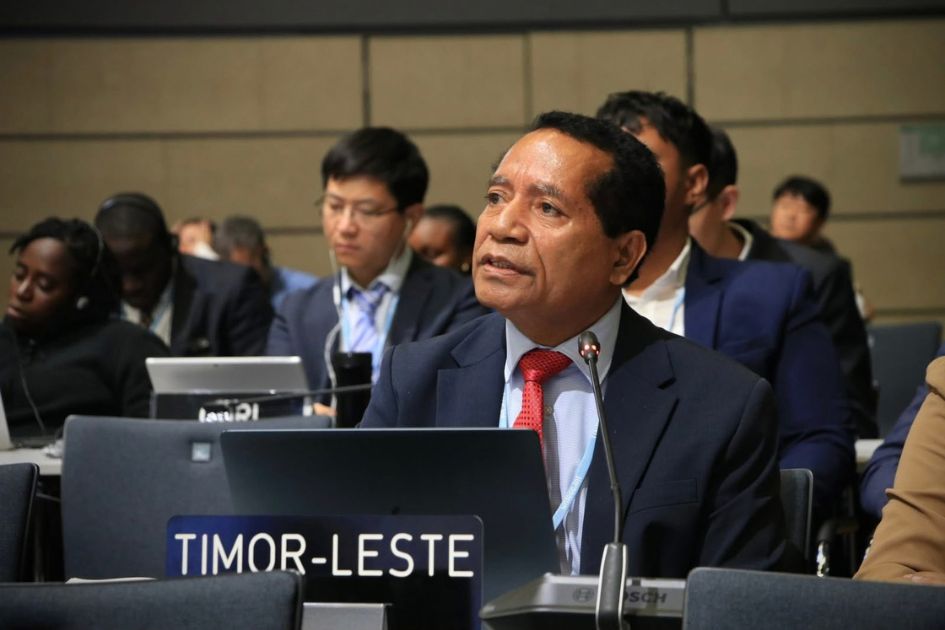

At the SB64 climate talks in Bonn, least developed countries urged stronger emissions cuts, increased climate finance, enhanced adaptation support and urgent action on loss and damage to safeguard vulnerable populations.
The Least Developed Countries (LDC) Group on Climate Change has called for urgent climate action, stronger global ambition and significantly increased support for vulnerable nations as the 2026 UN Climate Change June Meetings (SB64) officially opened in Bonn.
Speaking at the opening plenary, LDC Group Chair Ambassador Adão Soares Barbosa said least developed countries continue to suffer the most severe consequences of climate change despite contributing only a small fraction of global greenhouse gas emissions.
Representing 44 countries and more than one billion people, the group stressed that keeping global temperature rise within 1.5 degrees Celsius is critical for the survival, development and resilience of the world’s poorest nations.
The LDC Group urged countries to accelerate the implementation of the Paris Agreement and submit stronger climate commitments aligned with the 1.5°C goal.
The group also called for a substantial increase in climate finance, particularly accessible and grant-based funding, to help vulnerable countries adapt to climate impacts, strengthen resilience and pursue low-carbon development pathways.
Addressing adaptation as a top priority, the group pressed for progress on the Belém-Addis Vision and the development of meaningful indicators under the Global Goal on Adaptation, arguing that communities on the front lines of climate change need greater support to cope with escalating climate risks.
The LDCs further emphasized the importance of operationalizing effective responses to loss and damage, noting that climate-induced disasters are already causing widespread social and economic losses across many vulnerable countries.
The Bonn meetings are expected to play a key role in shaping negotiations ahead of COP31 later this year. The LDC Group called on negotiators to deliver tangible outcomes on emissions reductions, climate finance, adaptation and loss and damage, warning that delays in action will further deepen the challenges faced by the world’s most climate-vulnerable populations.
SB64 serves as a critical milestone on the road to COP31, where countries are expected to advance decisions on climate ambition, support mechanisms and the implementation of commitments under the Paris Agreement.




