


Researchers recovered a dead endangered dolphin from Bangladesh’s Halda River, intensifying concerns over repeated dolphin deaths and growing threats to the river’s fragile biodiversity and unique aquatic breeding ecosystem.
A dolphin has been found dead in Bangladesh‘s Halda River, the country’s only natural fish breeding ground, raising fresh concerns among researchers over the steady deaths of the critically endangered species in the waterway.
Workers from the Halda Research and Laboratory at the University of Chittagong recovered the carcass on Tuesday evening, May 19, from the Sipahir Ghat area on the border of Hathazari and Raozan upazilas in Chattogram.
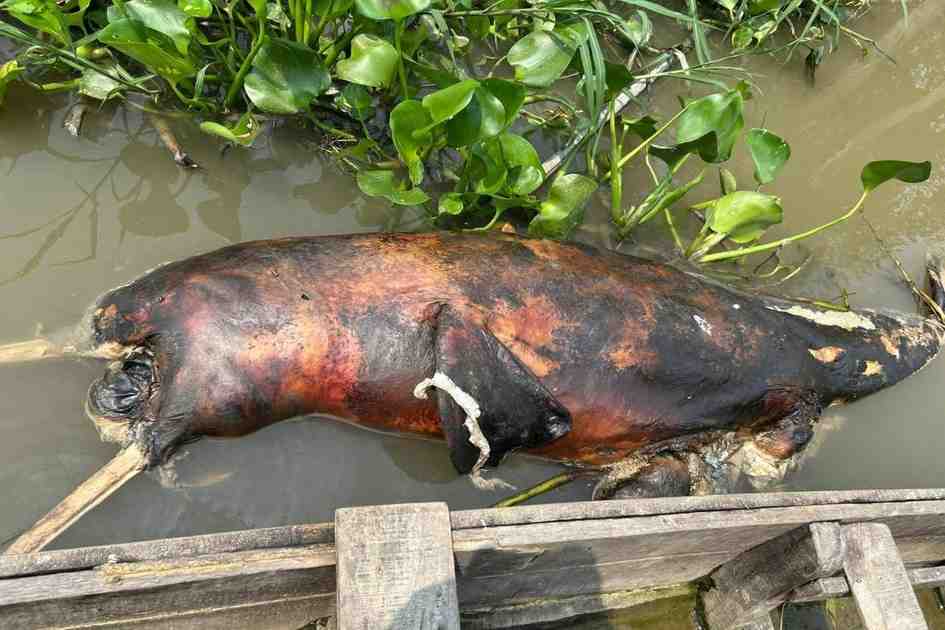
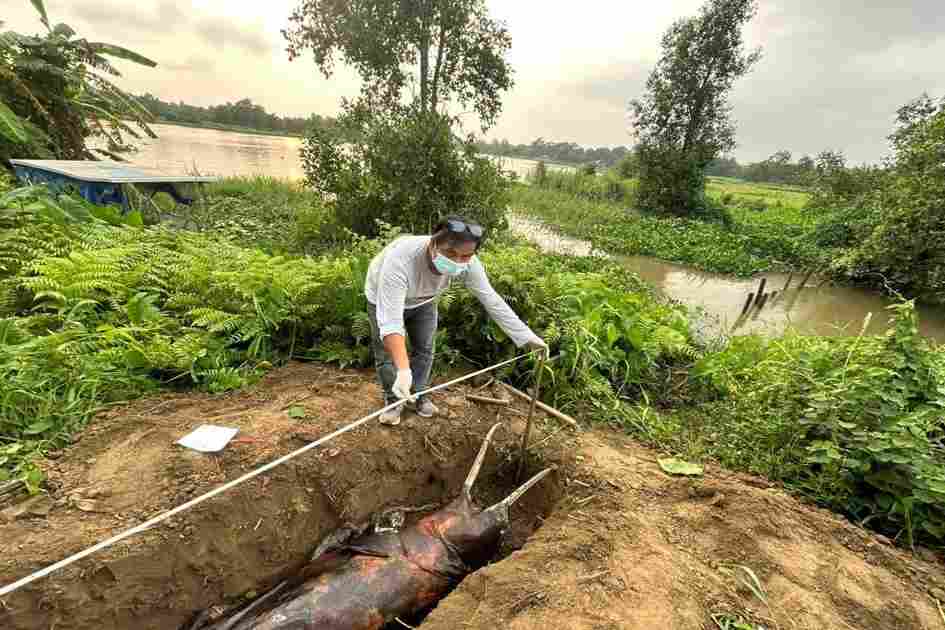
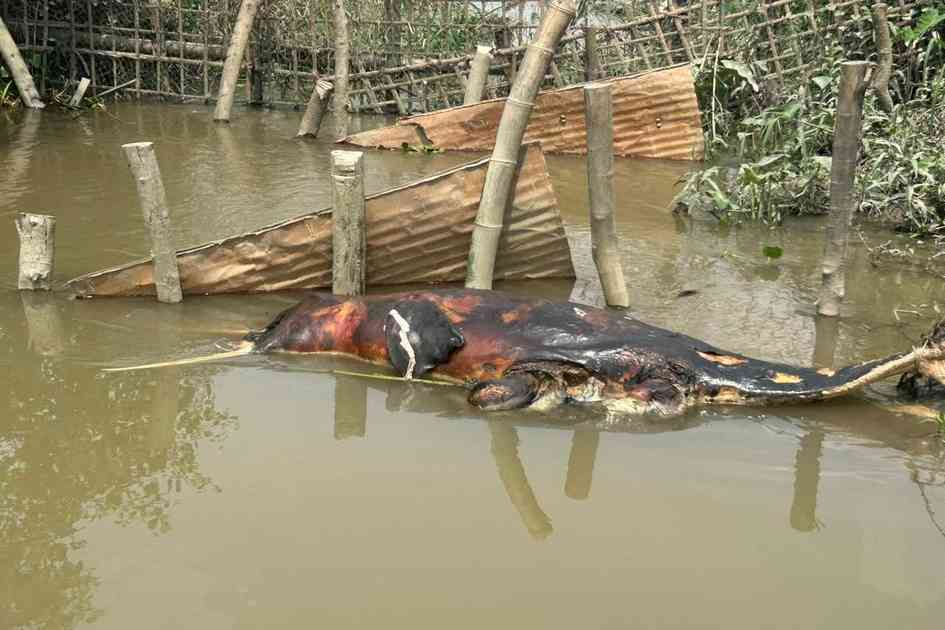
According to those involved in the recovery, the dead dolphin had been floating in the tidal water since morning. After being informed, staff from the research laboratory retrieved the body in the evening, brought it ashore and buried it on the riverbank.
The dolphin weighed 91 kilograms and measured about seven and a half feet in length. Based on the condition of the body, researchers believe it died five to six days earlier. The carcass had already undergone extensive decomposition.
According to the University of Chittagong’s Halda Research and Laboratory, the dolphin species found in the Halda is listed as critically endangered on the International Union for Conservation of Nature Red List. Only about 1,100 of these dolphins remain in rivers worldwide, with 170 recorded in the Halda alone.
River and wildlife experts say the deaths are deeply alarming. Over the past six and a half years, 51 dolphins have died in the Halda. Of those, six carcasses were recovered in the past 14 months alone by the university’s Halda River Research and Laboratory.
Halda researcher and BGC Trust University Vice-Chancellor Manzurul Kibria told The Climate Watch that the dolphin’s mouth, belly and tail had almost decomposed. He said an examination of the carcass was carried out before it was buried at the IDF Halda Training and Research Centre.
“The rate of dolphin deaths in the Halda is extremely worrying,” he said. “If dolphins continue to die one after another like this, the Halda will become empty of dolphins, which will threaten the river’s breeding system and natural environment.”




