

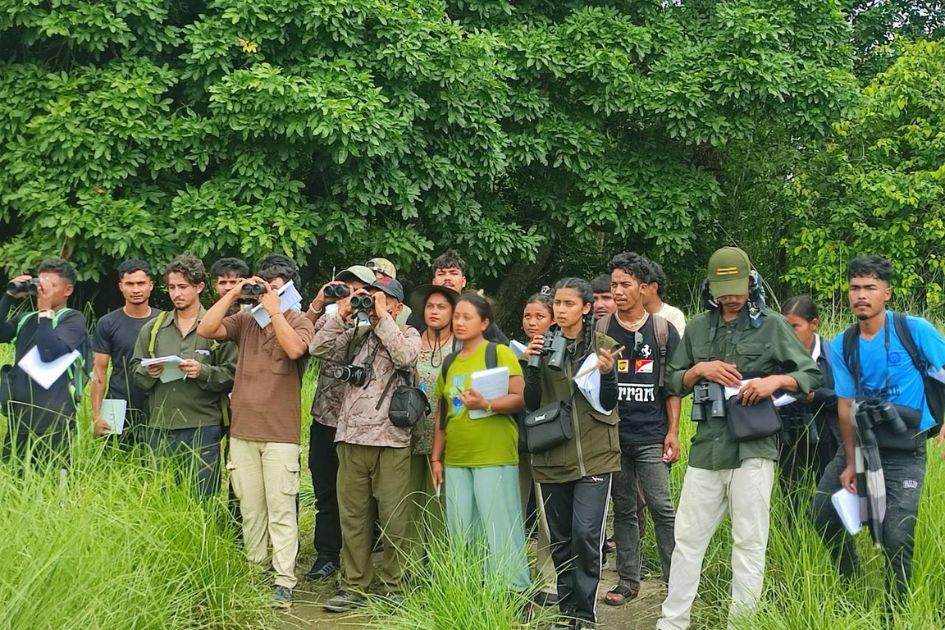

Bardiya’s ecotourism boom creates jobs and hope, yet frontline nature guides face constant wildlife threats, limited insurance, and uncertain support, raising urgent concerns over safety, rights, and sustainability for them today.
As ecotourism grows in Nepal, Bardiya National Park has become an important place for jobs and income. Thousands of tourists visit every year, creating opportunities for local people. However, for nature guides working in the jungle, the situation remains risky, raising concerns about their safety, insurance and long-term support.
In 1984, Rajan Chaudhary was a young boy growing up in Thakurdwara, Bardiya. One day, while playing in the sand along an irrigation canal, he encountered something unusual. For the first time, he saw people who looked and spoke differently from those in his village. They were taking photographs of local children and villagers.
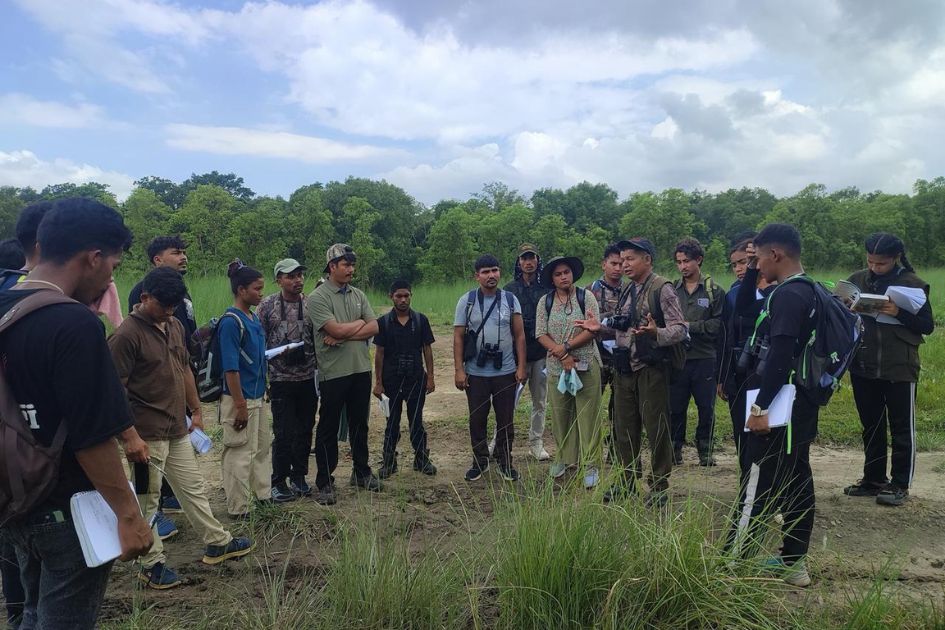
Curious, Rajan later asked his elder brother about the visitors. “I knew about them; they were foreign tourists who had come to visit Bardiya National Park,” he recalls. That moment left a lasting impression on him. “After that, I dreamed of becoming a tourist guide. Fortunately, my English was better than that of other students in my class.”
After completing his School Leaving Certificate (SLC) examination in 1997, Rajan formally began his journey as a nature guide. The path was not easy. It required learning English fluently and gaining in-depth knowledge of wildlife and the natural environment. Later, when he moved to Chitwan with the goal of strengthening his skills, he dedicated himself to learning and eventually established himself as a professional nature guide.
During Rajan’s childhood, tourism infrastructure in Bardiya was minimal. There was only one hotel in the area and very few shops. Tourist arrivals were rare, with only occasional visitors coming to explore the region.
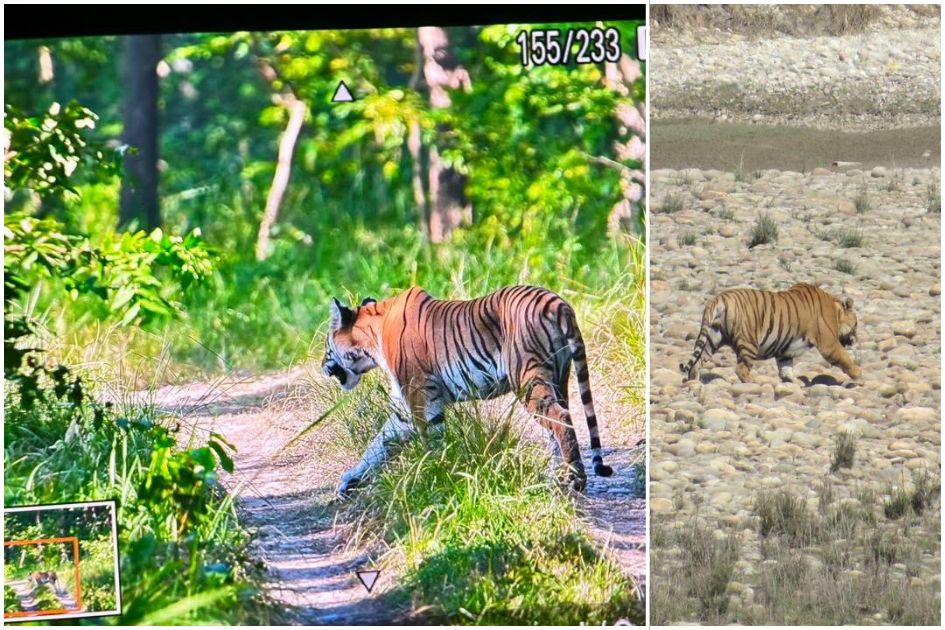
Today, the situation has changed significantly. According to Bardiya National Park, more than 25,000 to 30,000 tourists visit the park annually. In 2025 alone, around 28,000 tourists visited the park. Bardiya National Park is especially known for its tiger population, with 125 tigers recorded in the 2022 census.
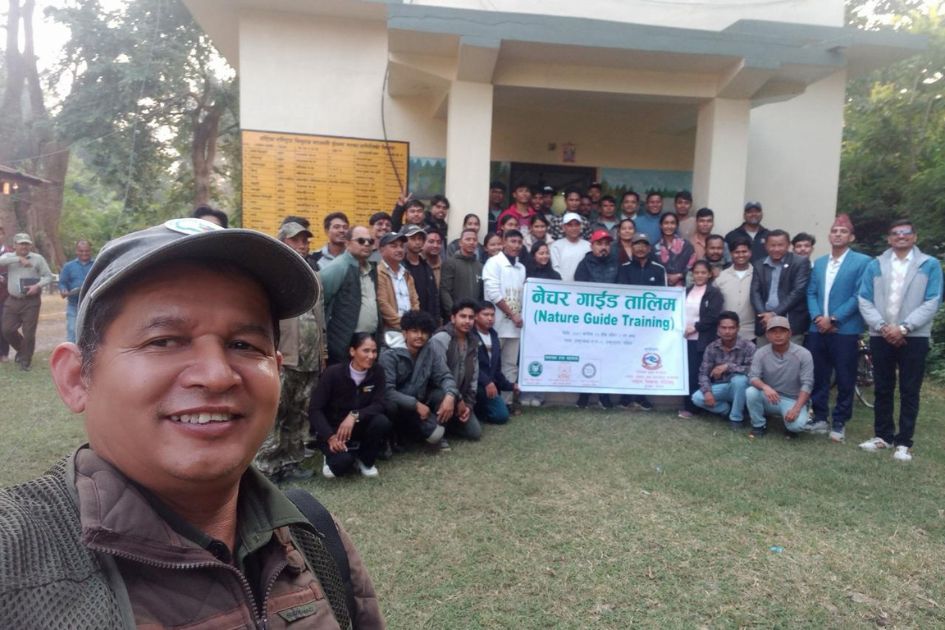
The growth of tourism has also created economic opportunities for local communities. There are now more than 35 hotels and homestays in the area. According to Krishna Shaha, Chairperson of the Nature Guide Association in Thakurdwara, Bardiya, around 500 people have gained employment opportunities, including more than 100 nature guides.
“If Bardiya National Park did not exist, we would not have these job opportunities,” Shaha says. “Ecotourism is growing but it requires a stable and supportive environment in the country.”

Nature Provides Happiness
Bardiya National Park has not only provided job opportunities to locals but also improved their quality of life. Manju Mahatra, a resident of Thakurdwara, Bardiya, has been working as a nature guide for six years. She is happy to have job opportunities while living with her family in her own home.
“I am very happy to get opportunities here. If Bardiya National Park were not here, I could not be a nature guide,” she explained. “I have gotten the chance to live with my family members and eat food at home while having a job.”
Many young people, including women, have become nature guides. Manju recalls that in the beginning, it was not easy for women to become nature guides. “There was a trust issue. People questioned how a woman could save guests in the jungle from wildlife,” she said. “People used to question me.”
However, she did not give up and continued moving forward in her profession. Now, Manju is recognized as a nature guide in Bardiya. Many foreigners, researchers and filmmakers contact her to visit Bardiya National Park. She has guided hundreds of visitors in the park.
Nepal has great opportunities to benefit from tourism. For that, the country needs political stability, peace and good infrastructure. An experienced tourism entrepreneur, Dharma Raj Ghimire from Bardiya, said that Nepal does not have many options to earn foreign currency and tourism is one of the best.
“We have a lot of natural resources and we must be able to promote them. We cannot develop large industries,” Ghimire said. “So, we have many opportunities in tourism and the government should focus on it.”
Challenges
Despite the benefits, there are many challenges for nature guides during jungle visits inside the national park. Every moment, they must remain alert to stay safe from wildlife. Another nature guide, Ram Shahi from Bardiya, said there is no certainty of returning safely after entering the jungle.
“If we are not careful, wildlife can attack us, so we must be careful at every moment,” he explained.
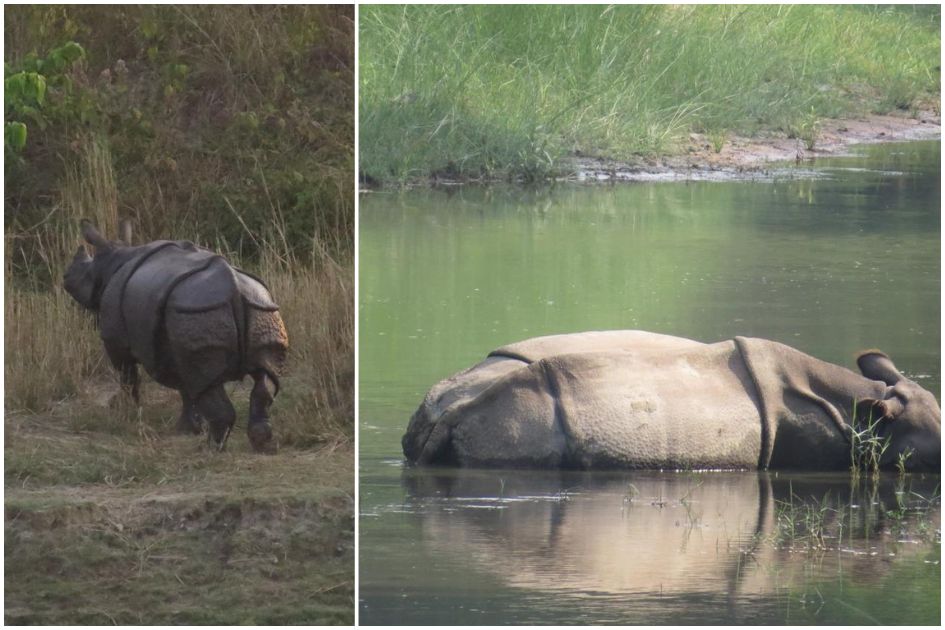
Sometimes, nature guides lose their lives during jungle walks. In 2024, Manmohan Chaudhary was killed by a one-horned rhinoceros attack at Dalla Community Forest in Madhuban Rural Municipality while guiding tourists.
Krishna Shaha also encountered a tiger in Bardiya National Park. According to him, he barely survived after fighting with the tiger and he still has scars on his body.
Experienced nature guides say that before entering the jungle, everyone must understand wildlife behavior. “If we understand their behavior, we can protect ourselves from attacks,” Shaha said. “So, conservation education about wildlife behavior is very important.”
Nature guides believe they need insurance for their social security. Ram Shahi said that if a nature guide is killed during a visit, there is no proper support system. “So, social security is necessary for guides,” he said.
Bhagawan Raj Dahal, Country Representative of the Zoological Society of London (ZSL), said they are committed to conservation and recognize the dedication of nature guides. He added that if guides receive insurance for accidents caused by wild animals, they would feel safer. Their demand is reasonable and will support both tourism and conservation in Bardiya. During COVID-19, ZSL established an emergency fund for nature guides.
“We did this so that they would not be displaced during the crisis and would not face problems earning a living,” Dahal said. “We must also make them feel safe to promote Bardiya’s ecotourism internationally.”
Ashok Ram, warden of Bardiya National Park, said that many local people have benefited from the park. “With the increasing number of wildlife, locals have gained benefits,” he said. “The major challenge is human-wildlife conflict and we have to reduce it by working together with local communities.”




