

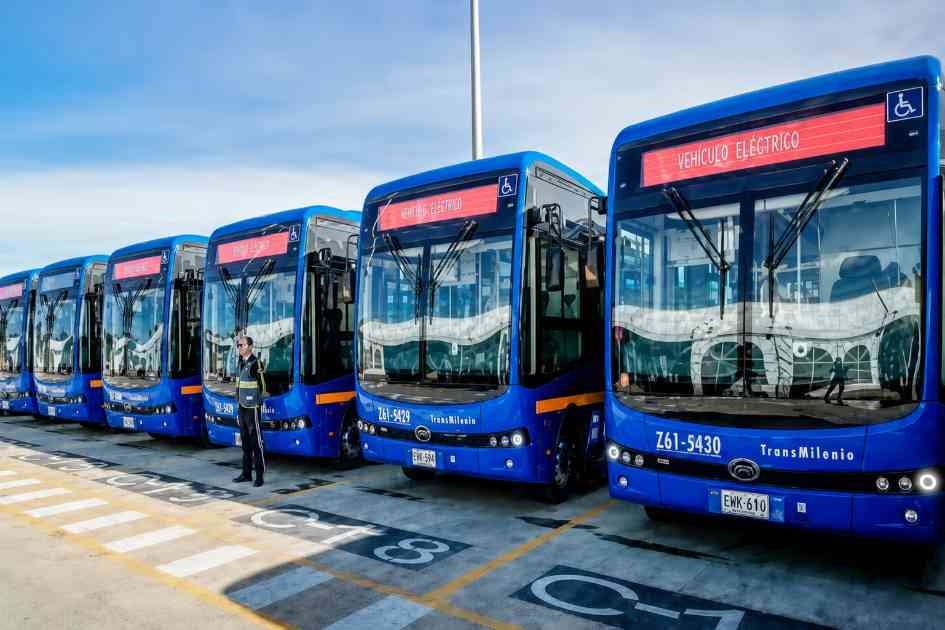



Bangladesh plans to introduce 400 electric buses in Dhaka and Narayanganj by 2030, aiming to cut air pollution, improve public transport and support climate-friendly urban mobility.
Bangladesh has unveiled an ambitious $205 million initiative to introduce 400 electric buses in Dhaka and neighboring Narayanganj, marking one of the country’s largest investments in sustainable urban transport as it seeks to tackle chronic air pollution, reduce carbon emissions, and modernize public transportation.
The project, announced in the proposed national budget for fiscal year 2026-27, is being positioned as a key component of Bangladesh’s broader efforts to improve air quality, strengthen climate action, and build a more efficient urban transport system.
Dhaka frequently ranks among the world’s most polluted cities, with transport emissions, construction dust, industrial pollution, and aging vehicles contributing to hazardous air quality that affects millions of residents. Public health experts have repeatedly warned that prolonged exposure to air pollution increases the risk of respiratory diseases, cardiovascular illnesses, and premature deaths. For millions of daily commuters, thick smog and traffic congestion remain a routine part of urban life.
Against this backdrop, government officials say the transition to electric mobility could play a significant role in improving urban air quality while supporting Bangladesh’s commitments under its Nationally Determined Contributions (NDCs) to reduce greenhouse gas emissions and advance a low-carbon development pathway.
“To enhance the efficiency of urban transportation, the government is implementing integrated infrastructure development programmes. As part of this effort, old buses operating in the capital will gradually be replaced by electric buses,” the Finance Minister Amir Khasru Mahmud Chowdhury said during the budget speech.
The project will be implemented by the Dhaka Transport Coordination Authority (DTCA) and is expected to be completed by 2030. Of the total project cost, Tk 21.35 billion will be financed through a World Bank loan, while the Bangladesh government will contribute Tk 3.65 billion.
According to project documents, the initiative includes the procurement of 400 electric buses, construction of three charging depots, intelligent transport systems, policy reforms, and institutional capacity-building measures designed to support long-term implementation and operation.
The buses will operate under a franchise-based company model intended to improve service quality, efficiency, accountability, and passenger experience. Features will include automatic doors, electronic ticketing systems, route identification displays, and standardized branding. Authorities say buses operating under the same company will carry identical colours and run through organized station-based boarding systems.
Three charging depots are planned under the initiative: one on DTCA-owned land in Purbachal, another in Jhilmil, and a third proposed for Kanchpur.
Officials say the project is expected to deliver multiple benefits beyond emissions reduction, including improved public health, reduced dependence on imported fossil fuels, lower long-term operating costs, enhanced transport efficiency, and progress toward sustainable urban development goals.
Environmental and health experts note that electric buses can significantly reduce emissions of particulate matter (PM2.5) and nitrogen oxides, two major pollutants linked to respiratory illnesses and other serious health conditions.
According to data from the Bangladesh Road Transport Authority (BRTA), approximately 16,198 buses and minibuses operating in Dhaka have exceeded their official service life of 20 years. This means nearly one in three public transport vehicles in the capital is overage.
Transport analysts warn that the actual number may be higher, as additional vehicles continue to age annually without updated fitness certification.
Many of these aging buses remain major contributors to particulate pollution, often operating with outdated engines, poor maintenance, and limited emissions-control technologies.
“The introduction of electric buses is undoubtedly a positive initiative for reducing air pollution and improving the quality of urban transport,” said Alamgir Hossain, an assistant professor at a private university in Dhaka. “However, meaningful reform requires the gradual removal of old, unsafe, and highly polluting vehicles from the roads.”
Experts also point to weak enforcement of vehicle fitness regulations, fragmented ownership structures in the transport sector, resistance from vested interests, and inadequate charging infrastructure as key challenges.
Adequate electricity supply and grid readiness will also be critical. Large-scale electrification of public transport will require stable power systems capable of supporting continuous charging without disrupting broader electricity demand.
Bangladesh Passenger Welfare Association Secretary General Mozammel Haque Chowdhury welcomed the initiative but urged stronger stakeholder inclusion.
“Passengers are the primary users of public transportation, yet they are often excluded from discussions about major transport reforms,” he said. “Authorities must engage transport users, technical experts, and independent specialists to ensure effective and sustainable implementation.”
Commenting on the initiative, Sohanur Rahman, Executive Coordinator of YouthNet Global, said the transition represents both a climate and public health opportunity.
“Dhaka’s transport sector sits at the intersection of air pollution, climate change, public health, and economic productivity. Electric buses are not only a transport solution; they are also a public health intervention and a climate action measure that can improve the quality of life for millions of urban residents,” he said.
He added that the transition must go beyond technology alone.
“A just transition in urban mobility means ensuring that climate action does not deepen inequality. Clean transport systems should reduce emissions while expanding affordable and reliable access for low-income commuters. The success of electric mobility in Dhaka will depend on whether it delivers not only cleaner air, but also safer, more inclusive, and more equitable transport for all.”
He further emphasized climate justice dimensions of urban mobility.
“Cleaner transport systems can reduce emissions and improve air quality, but they must also ensure that workers, commuters, and vulnerable communities are not left behind. The success of this initiative will ultimately depend on whether it delivers cleaner air, safer roads, and equitable mobility for everyone,” he said.
Bangladesh’s transition to greener transport systems must ensure protection for workers, vulnerable communities, and informal operators so that no one is left behind, said Additional Secretary (Climate Change Wing) of the Ministry of Environment, Forest and Climate Change, Mohammad Navid Safiullah.
He made the remarks while addressing the National Youth Summit on Just Transition and Sustainable Urban Mobility in Bangladesh, organised by YouthNet Global in partnership with Friedrich-Ebert-Stiftung (FES) Bangladesh at Aloki Convention Centre in Dhaka, according to a press release issued on Wednesday.
European Union Ambassador Michael Miller said inclusive investment, long-term planning, and youth participation are essential to ensure Bangladesh’s transition towards clean, safe, low-emission, and climate-resilient urban transport systems.
Experts and policymakers also note that while the initiative has generated optimism, Dhaka’s transport system faces deep structural challenges that could affect implementation.
Experts further note that the climate benefits of electric mobility will depend heavily on Bangladesh’s ability to expand renewable energy in its electricity mix. While electric buses eliminate tailpipe emissions, overall environmental gains will be greater if powered increasingly by solar and wind energy.
The transport sector remains one of the fastest-growing sources of greenhouse gas emissions in many developing countries, making cleaner public transport an increasingly important climate mitigation strategy.
If successfully implemented, the programme could become one of South Asia’s largest electric public transport transitions and serve as a model for other rapidly urbanizing cities. However, its success will depend on strong governance, enforcement, stakeholder engagement, and sustained investment in both clean transport and renewable energy infrastructure.




