

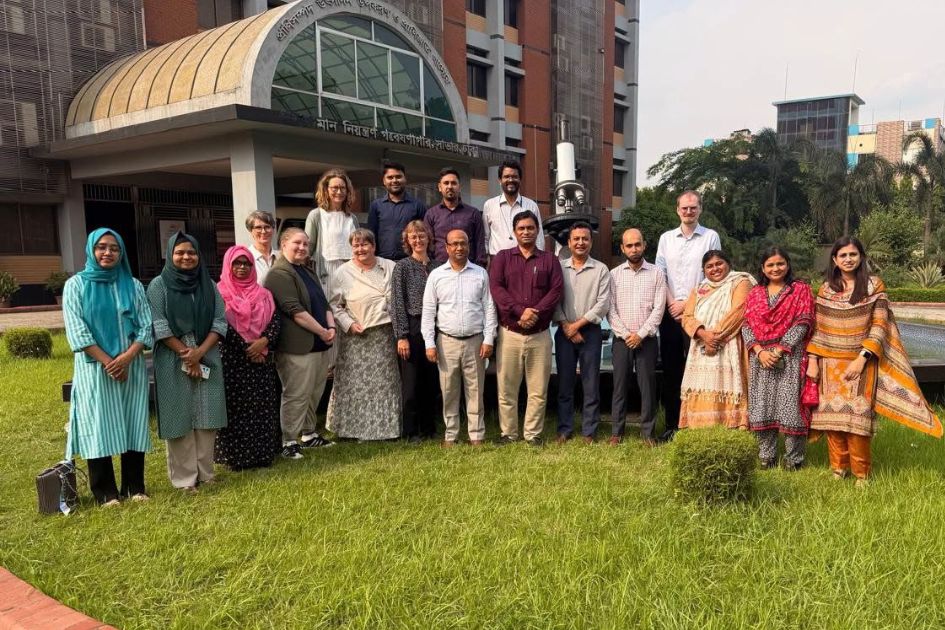



Danish and Bangladeshi agencies are working together to improve laboratory testing, sample handling and data sharing as part of a pilot project aimed at strengthening the country’s milk residue monitoring system.
The Embassy of Denmark in Bangladesh said Denmark and Bangladesh are strengthening cooperation to improve Bangladesh’s milk residue control system by enhancing laboratory capacity to test for antibiotic residues in milk and improving coordination among relevant agencies.
In a post, the embassy said antibiotic residues in milk are globally unacceptable and that ensuring milk is free from such residues is essential for protecting consumer health, strengthening food safety and maintaining public trust in the dairy sector.
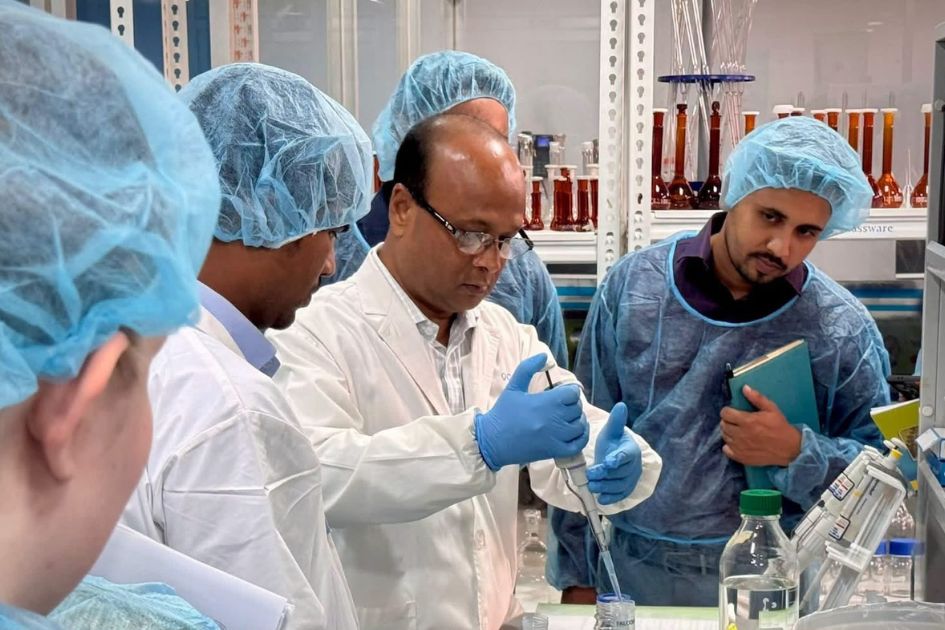
As part of the Bangladesh-Denmark Strategic Sector Cooperation (SSC), experts from the Danish Veterinary, Food, Agriculture and Fishery Agency (DVFAFA/Fødevarestyrelsen) worked with the Bangladesh Food Safety Authority (BFSA), the Bangladesh Standards and Testing Institution (BSTI) and the Department of Livestock Services (DLS) to strengthen the country’s milk residue control system.
According to the embassy, the mission focused on improving laboratory capacity to test for antibiotic residues, strengthening sample handling and data-sharing procedures and facilitating knowledge exchange among participating laboratories.
Discussions also advanced the development of the SSC Residue Control Pilot Project, which aims to establish a coordinated and traceable residue monitoring system.
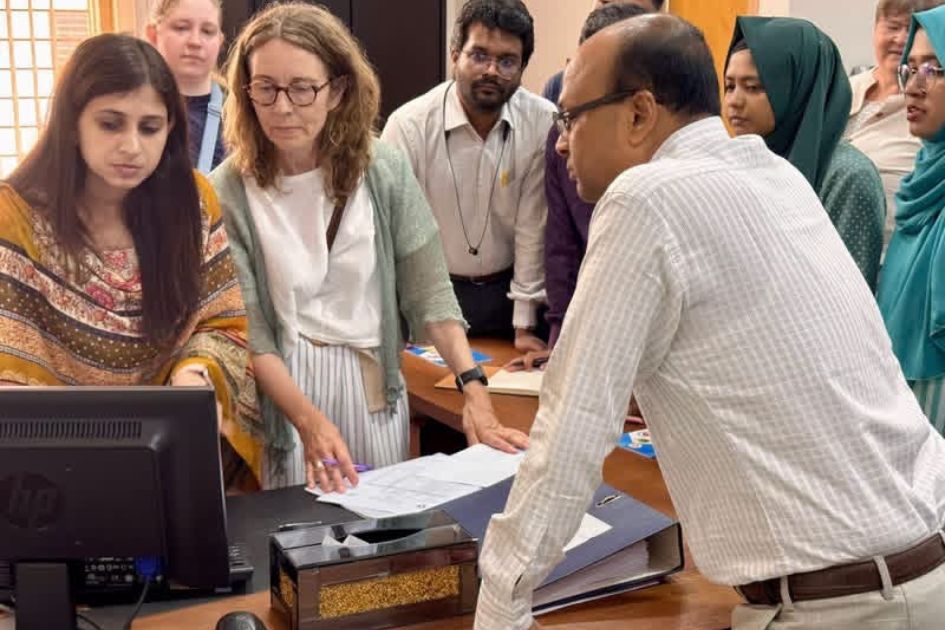
The embassy said the collaboration is intended to strengthen food safety systems, support responsible antibiotic use and help ensure safer dairy products for consumers through shared expertise between Denmark and Bangladesh.




