


As the UN climate negotiations in Belém enter their final, feverish hours, the mood across negotiating rooms oscillates between urgency and uncertainty. The COP30 Presidency, led by Ambassador André Corrêa do Lago, has pushed the talks into an accelerated mutirão mode, an all-hands collective effort aimed at breaking deadlocks and delivering a political package far earlier than typical COP timetables. Yet beneath the choreography of relentless ministerial huddles, technical sessions, and Presidency-led bilaterals lies a stark reality: the world’s most climate-vulnerable nations, including Bangladesh, are still waiting for concrete answers to long-standing commitments.
Finance divides that could redefine the future
Finance remains the most contentious dividing line in Belém. The Presidency’s draft “Global Mutirão” text reveals deep fractures over whether the long-promised USD 100 billion climate, finance goal was ever met, an argument that extends far beyond symbolism and strikes at the core of trust between developed and developing nations. Bangladesh, which plans its adaptation programmes and disaster-preparedness strategies around predictable international support, is especially exposed to the ambiguity and political hedging surrounding climate-finance delivery.
The budget squeeze back home
The implications for Bangladesh are profound. Despite being one of the world’s most climate-threatened countries, Bangladesh receives only a fraction of the funding required to implement its climate priorities. Domestic fiscal space has shrunk in recent years, constrained by rising debt-servicing obligations, external shocks, and increasing demand for social protection. Climate spending must now compete with economic stabilisation, infrastructure needs, and poverty-reduction efforts. As a result, Bangladesh is increasingly forced to shoulder the burden of climate adaptation with its own limited resources, while most external climate inflows arrive as loans, further straining an already pressured macroeconomic landscape.
Loss and damage: The unfulfilled promise
Uncertainty deepens around loss and damage finance. Negotiations on the Warsaw International Mechanism and the Loss and Damage Fund continue in Belém, but they have yet to yield the scale of commitments frontline nations hoped for. Bangladesh, repeatedly battered by cyclones, floods, riverbank erosion and salinity intrusion, urgently needs a functional and well-capitalised mechanism. With no major new pledges emerging, Dhaka remains dependent on domestic budgets and emergency reallocations, often diverting funds from long-term development needs.
Mitigation tensions and the equity question
Mitigation negotiations have further intensified the North–South divide. Several developing-country groups are resisting attempts to turn the Mitigation Work Programme into a tool for imposing new or top-down targets. They argue that the Paris Agreement’s architecture rests on nationally determined contributions shaped by equity and national circumstances. Many also point to the UNFCCC synthesis of biennial transparency reports, which shows that numerous developed nations are off-track on their own 2030 goals. Bangladesh, bearing minimal historical responsibility for emissions, supports an equitable approach that avoids shifting disproportionate burdens onto developing economies. Yet without substantial financial and technological support, its low-carbon ambitions risk being confined to rhetoric rather than reality.
Adaptation ambition meets delivery gaps
Despite the Presidency’s efforts to frame COP30 as an “adaptation COP,” negotiations on the Global Goal on Adaptation remain fraught. Delegates are deeply divided over the scale and timing of increased adaptation finance. For Bangladesh, where adaptation costs are surging due to coastal erosion, salinity, water scarcity and infrastructure vulnerability, a meaningful outcome is essential. Without stronger commitments, the country faces the prospect of financing vital climate-resilience measures from its own overstretched budget. For millions already living on the frontline of extreme weather and sea-level rise, adaptation is not a distant aspiration but an urgent, everyday necessity.
Bangladesh’s voice in the negotiation rooms
As a key member of the Least Developed Countries group, Bangladesh has strategically emphasised the integration of livelihoods, biodiversity, and sustainable development into climate action. It has warned against proposals for new digital platforms for mitigation coordination, cautioning that such tools could replicate the shortcomings of the underused NAMA registry. Bangladesh has highlighted persistent barriers, high transaction costs, limited institutional capacity, and difficulty accessing funds, that continue to constrain vulnerable nations’ ability to implement their NDCs. Its interventions carry a broader message: ambition is meaningless without the means to deliver it.
The stakes for Bangladesh
The outcome of COP30 will shape Bangladesh’s climate and development trajectory for years to come. A robust deal on climate finance, loss and damage, and adaptation could unlock resources necessary for a more resilient and sustainable future. Failure, however, risks widening existing financial gaps, slowing adaptation efforts, and forcing the country to shoulder even greater economic burdens. As the countdown in Belém continues, the decisions made or deferred will reverberate across Bangladesh’s rivers, coastlines, and communities for decades.
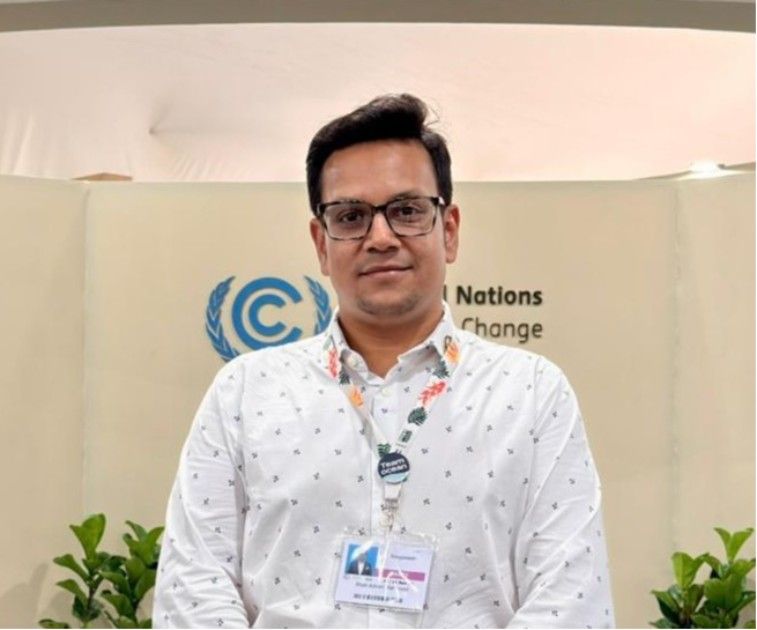
Engr Shah Adnan Mahmood, Certified expert in climate and renewable energy finance




