




Bangladesh tells Parliament it is advancing climate resilience through integrated policies, climate finance mobilisation and large-scale adaptation programmes, while preparing long-term low-emission strategies aligned with global commitments.
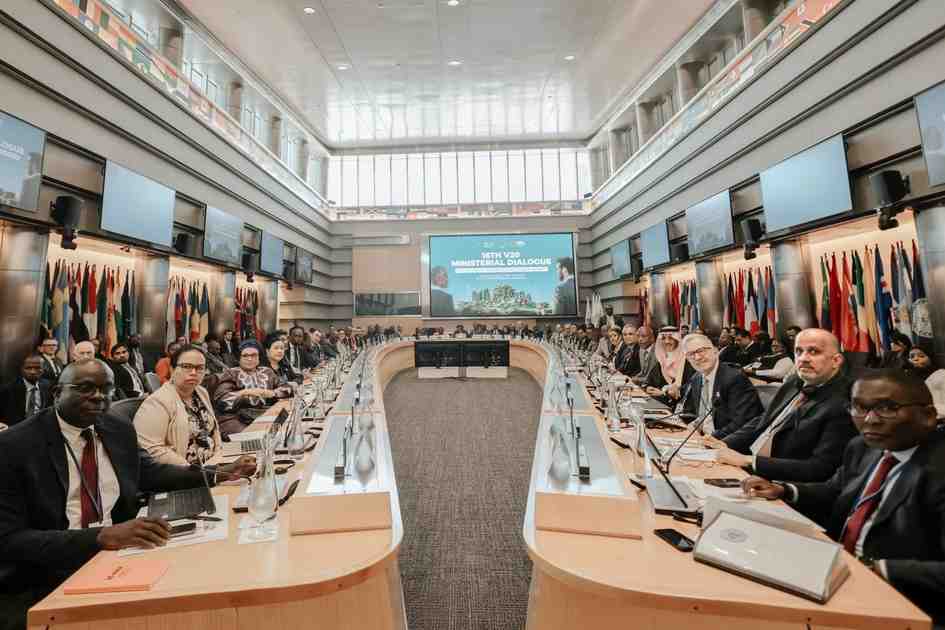
Finance ministers from climate-vulnerable countries have endorsed a landmark partnership with leading development finance institutions (DFIs) to expand concessional finance, mobilise private capital and strengthen resilience as rising global instability and economic fragmentation deepen pressure on public finances.
The endorsement came at the 16th V20 Ministerial Dialogue held on the sidelines of the World Bank Group and International Monetary Fund Spring Meetings in Washington, D.C.
Ministers said the initiative is aimed at building mutually beneficial and enduring partnerships rather than replacing existing institutions, as developing countries push for a stronger role in shaping global financial reform.
The new V20 DFI Compact seeks to expand access to affordable climate finance for emerging economies by scaling concessional funding, attracting private and philanthropic investment and aligning finance with nationally led Climate Prosperity Plans. It also focuses on introducing shock-responsive debt instruments to help countries absorb climate-related shocks.
Barbados Prime Minister Mia Amor Mottley, chair of the CVF V20, said Climate Prosperity Plans are redefining development by placing climate resilience and energy transition at the centre of economic transformation.
“But even strong national plans cannot move forward without finance that is affordable and accessible,” she said.
V20 Finance Ministers Chair Ryan Straughn said vulnerable nations are no longer willing to remain on the receiving end of global financial decisions.
“In an increasingly fragmented global system, we are here to shape reform not just absorb shocks,” he said.
The communiqué called for greater direct access to multilateral climate funds, including the Green Climate Fund, Adaptation Fund and Loss and Damage Fund, arguing that national institutions must become the primary channel for delivery.
Ministers also urged reforms to debt sustainability frameworks, expanded use of climate-resilient debt clauses, debt-for-climate swaps and longer-term concessional financing to support adaptation, infrastructure, health and food security.
On governance, the V20 called for stronger representation in global financial institutions, including IMF quota reforms, expanded voting rights for vulnerable countries and recognition of the V20 as a formal intergovernmental group.
The ministers also highlighted methane reduction as an urgent near-term priority to slow global warming, noting that most member states are already part of the Global Methane Pledge and require stronger support to scale implementation.
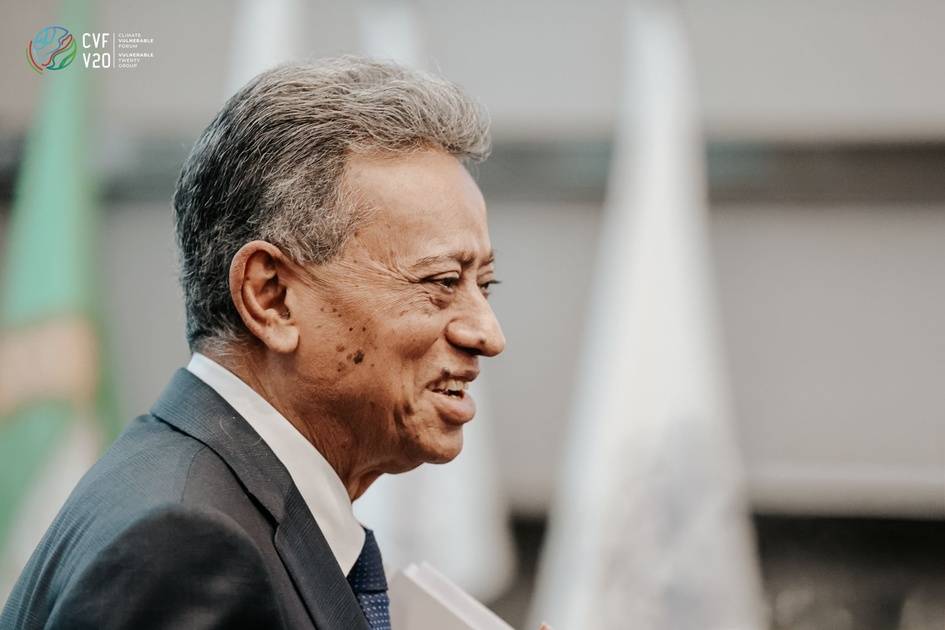
Bangladesh’s Finance and Planning Minister Amir Khosru Mahmud Chowdhury also joined the V20 Ministerial Dialogue, where he highlighted the multiple dimensions of climate-induced losses facing Bangladesh. He underscored the country’s ongoing initiatives, including the Family Card and Farmer Card programmes, as part of efforts to strengthen social protection and resilience at the community level. The minister said addressing the climate crisis with limited financial resources remains a major challenge for vulnerable economies.
The compact is expected to shape upcoming global climate finance negotiations by linking national investment plans with broader reforms of the international financial system at a time when developing countries continue to face high borrowing costs and widening financing gaps.




