

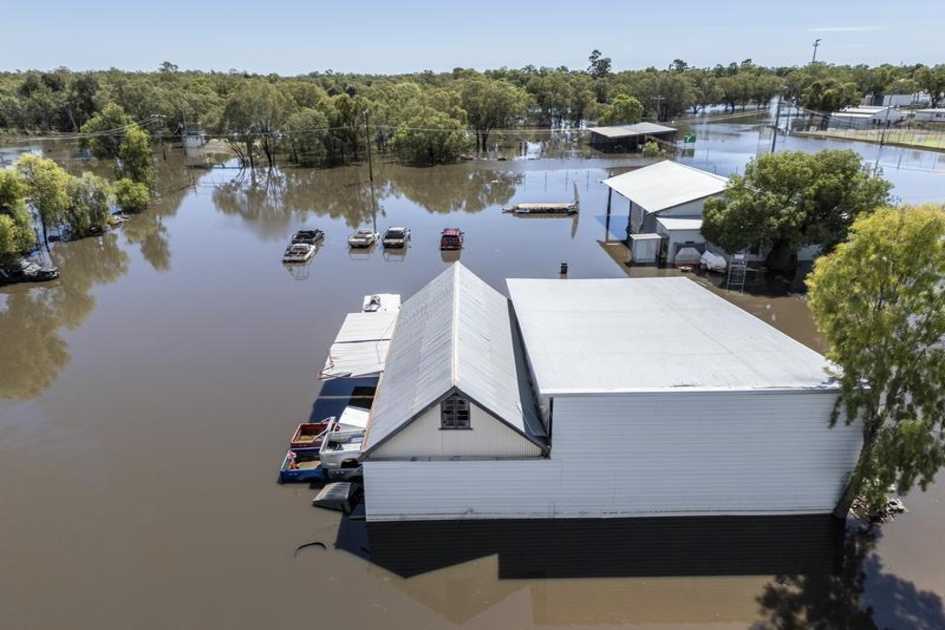



Australia faces climate volatility as rapid swings between heat, storms and floods disrupt forecasts, increase disaster risks and push up household costs, with scientists warning traditional climate patterns are shifting.
Australians are confronting an increasingly volatile climate as scientists warn that “climate whiplash” is disrupting traditional weather patterns and driving up household costs.
The emerging phenomenon is making seasonal conditions harder to predict, with rapid swings between extremes forcing communities to brace for floods, fires, storms and record heat within short periods.
“So the summer certainly was hard to predict. We went from extreme heat right through to extreme rainfall,” said Professor Andrew Watkins, former head of long-range forecasting at the Bureau of Meteorology.
Watkins cautioned that long-established climate signals such as El Nino and La Nina are no longer reliable indicators of drought or flooding patterns.
“We know that El Ninos and La Ninas of the future will be quite different to those of the past,” he said.
Scientists say the shifting Climate is altering risk patterns across the country. Fires may ignite even on cooler days if winds are strong enough, while storms can occur outside the traditional storm season as ocean temperatures remain elevated.
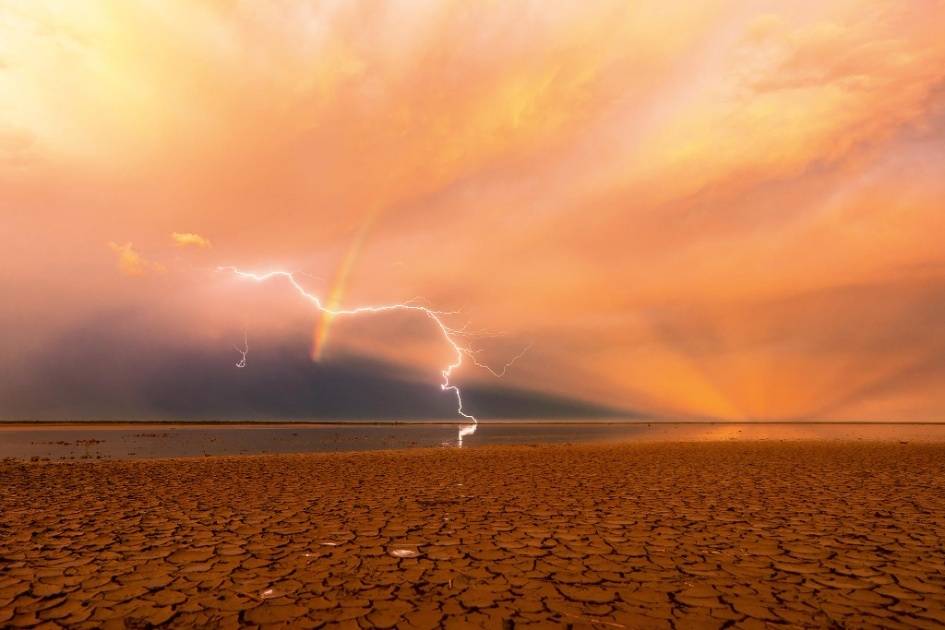
“Unfortunately, in Australia we are seeing more frequent, more damaging and more costly extreme climate events,” said infrastructure expert Janice Lee.
A recent Climate Council report found that rising global pollution levels are accelerating climate whiplash, creating a cycle that swings rapidly from one extreme event to another.
The economic toll is becoming increasingly evident. Some households have seen insurance premiums rise by about $700, representing increases of between 50 and 51 percent over just a few years.
Despite these uncertainties, the latest long-range forecast points to below-average rainfall and warmer-than-average days and nights over the next three months.
Forecasters, however, acknowledge that in the current climate conditions, unexpected shifts remain a real possibility.




