

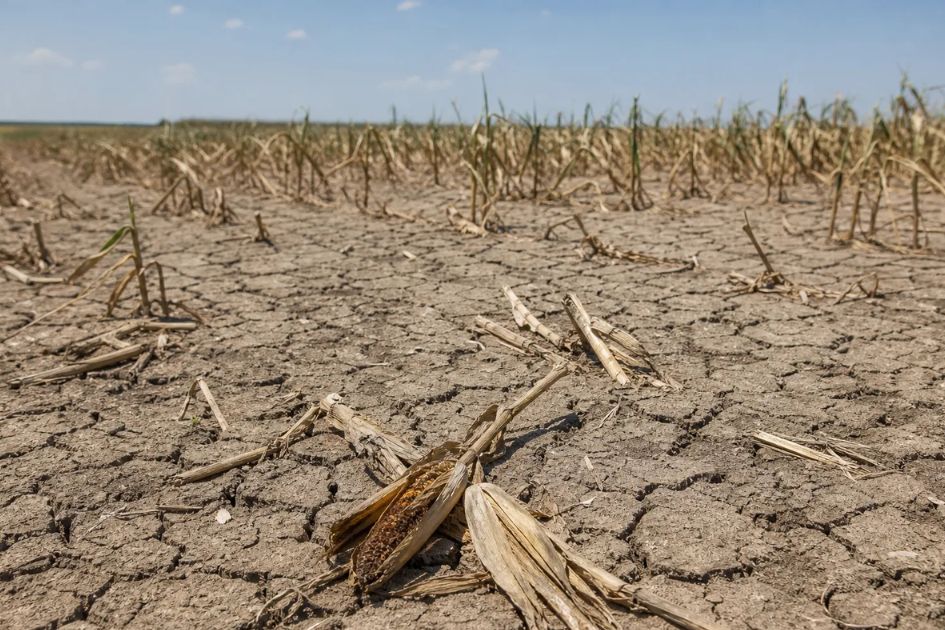



From South Asia to the Sahel, researchers warn that shifting farm productivity may reshape land values, water access and food security, testing institutions before disputes escalate.
Climate change, falling harvests and disruptions to global trade chains could raise the risk of social instability and armed conflict in vulnerable countries, according to research identifying regions where agricultural shifts may intensify competition for land, water and other resources.
The Climate-driven Agricultural Decline Index, or CADI, highlights areas where climate-related changes in farming could increase such pressures, Deutsche Welle English reports.
The index was developed by Hannes Mueller and his colleagues. Mueller, a researcher at the Institute of Economic Analysis and the Barcelona School of Economics, said the sharpest losses in agricultural productivity were occurring in tropical regions.
Declining food production is already being experienced in Cambodia, Bangladesh, Burundi, Nigeria, Paraguay and El Salvador, among other countries, while Mueller also called for greater attention to North Africa.
Drought and extreme weather are damaging crops across many parts of the world, while the development of El Niño could worsen food shortages for millions of people next year.
Wars, trade disruptions, export bans and higher fertilizer prices are adding to food insecurity. The war in Ukraine has repeatedly affected grain markets, while the impact of the war in Iran on the Strait of Hormuz has pushed up fuel and fertilizer prices.
According to an estimate, nearly half of the world’s population could be living within the next 25 years in areas where farms produce less food.
But the CADI study indicates that heightened risks of violence may not be linked only to declining agricultural productivity. Increased productivity could also generate tensions as previously unproductive land becomes more valuable, attracting investors and potentially triggering disputes over ownership and access to resources.
Mueller cited Sudan as an example. While the country as a whole may produce more food as a result of climate change, some areas could simultaneously suffer losses. Such shifts could create new winners and losers and intensify tensions.
In Europe, major sparkling wine producers are already purchasing plots in mountainous areas in anticipation that the land will become suitable for viticulture in the future.
Abdullah Fahimi of the German Council on Foreign Relations identified South Asia and the Sahel as regions requiring particularly close attention because of their climate vulnerability and rapid population growth.
South Asia, home to about 2 billion people, relies on imports of wheat, corn and palm oil. Its agricultural sector is also threatened by heatwaves, floods, declining land productivity and saltwater intrusion caused by rising sea levels.
Fahimi said the Himalayas and the Hindu Kush provide most of the water needed for agriculture and drinking across the region.
Melting glaciers and snow may increase water availability in the short term, but later this century, in his assessment, the changes could create the risk of a major humanitarian crisis.
Researchers stressed that climate and food shocks do not automatically lead to conflict. Institutions that can help communities negotiate access to land, water and jobs are important in determining how such pressures are managed.




