




Australia’s first national environmental regulator has approved a major coal mine extension, drawing criticism from climate groups over emissions and pressure on threatened habitats.
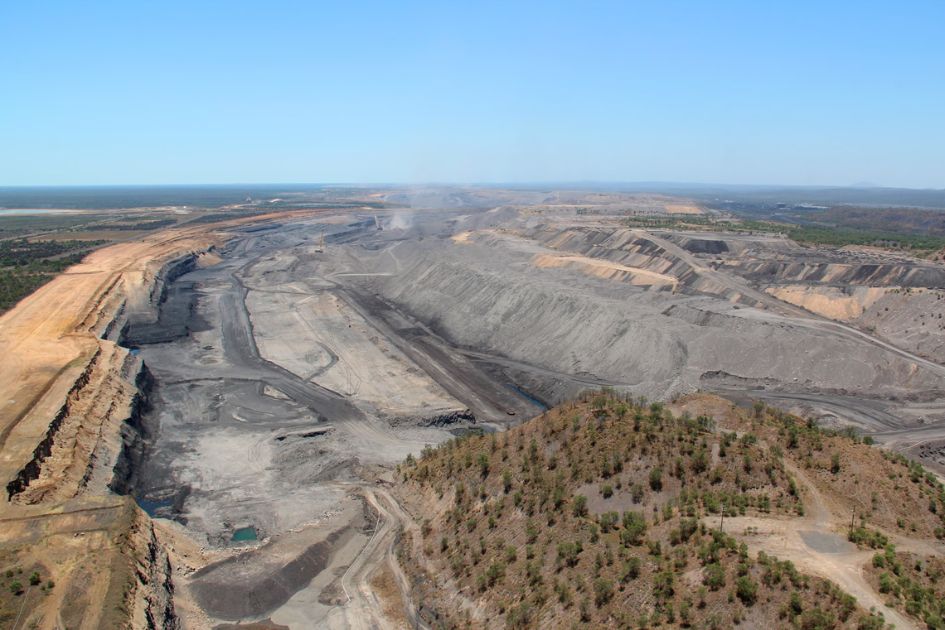
Australia’s new national environmental regulator has approved an extension of Queensland’s open-cut Saraji coal mine, allowing it to extract a further 55 million tonnes of coal through 2055 and clear areas of threatened woodland and koala habitat, drawing condemnation from climate groups.
The National Environmental Protection Agency confirmed to Guardian Australia that it had approved the BHP Mitsubishi Alliance (BMA) mine extension. The approval is the agency’s first green light for a coal project since it began operating on 1 July following reforms to Australia’s national environment laws last year.
The Saraji mine produces and exports coal for steelmaking.
The agency said the approval included “strict conditions to protect threatened species and water resources” and would restrict the clearing of habitat for threatened koalas, ornamental snakes and squatter pigeons.
In its application, BMA said the project would likely require the clearing of 9.7 hectares of endangered koala habitat, 14.2 hectares of vulnerable ornamental snake habitat, 39 hectares of vulnerable squatter pigeon habitat and 3.1 hectares of threatened Brigalow woodland.
Under the approval, the company must not clear more than 132.5 hectares of ornamental snake habitat, 162 hectares of squatter pigeon habitat and 11.5 hectares of koala habitat.
The approval came as Prime Minister Anthony Albanese denied there was tension between Australia and Pacific leaders over the country’s fossil fuel exports during talks at this week’s Pacific Islands Forum.
Albanese said the meeting’s “entry fee for credibility” was “taking climate change seriously”.
Asked about fossil fuel expansions, he denied that Pacific leaders, who fear for their countries’ future because of rising sea levels, had raised objections.
“No, they don’t do that,” he said.
“Australia is highly regarded when it comes to climate change, and the talking down of Australia does not happen from outside Australia. I’ll make that point.
“The Pacific leaders have respect for the position that we’ve taken, and they also understand with the transition, because they’re dealing with it as well, that the transition can’t happen overnight, that it requires strategies and policies to be put in place.”
Ben McLeod, a senior adviser at the Climate Council, said burning the coal overseas to make steel would produce about 120 million tonnes of carbon dioxide over the mine’s lifetime. Australia’s current annual emissions are 455 million tonnes.
“This leaves us incredulous,” McLeod said. “The prime minister said the entry fee for the forum was taking climate change seriously, but then we get this approval of 55 million tonnes of coal. It is hard to see how those two things are compatible.”
McLeod said the decision by the new agency showed that the government’s environmental law reforms had not gone far enough in addressing climate pollution.
He said the climate “does not care” whether coal emissions come from generating electricity or making steel. He also pointed to International Energy Agency advice that achieving net zero emissions by 2050 did not require additional coalmines.
Greenpeace Australia Pacific said the Saraji decision was the 37th fossil fuel project approved by the Albanese government, describing it as “double talk” and an “affront” to Pacific leaders and communities.
Dr Simon Bradshaw of Greenpeace Australia Pacific said: “It is deeply insincere for prime minister Albanese to meet Pacific leaders here in Palau to discuss security, the energy crisis, and regional threats, while his government fast-tracks the biggest security threat to the Pacific, the climate crisis.
“We are witnessing dangerous climate change driven by the production, export and burning of fossil fuels, wreaking havoc across the world. Continuing down the path of fossil fuels and approving new coal is an act of recklessness at a pivotal moment in the world’s energy transition and response to the climate crisis.”
Dr Coral Rowston, director of Environmental Advocacy Central Queensland, said the mine extension would increase pressure on threatened species and water quality in the Fitzroy River catchment during flooding.
A government spokesperson described the National EPA as Australia’s first independent environmental regulator and a “cornerstone” of the country’s environmental law reforms.
“The Albanese government remains committed to action on climate change and our net zero targets. That’s why we reformed the safeguard mechanism in our first term, to ensure the country’s biggest emitters begin the work to reduce their emissions. This site is subject to the safeguard mechanism.”
The safeguard mechanism does not account for emissions produced when Australian fossil fuels are burned overseas.
The government said it was reviewing the mechanism, which was “on course to deliver its proportionate contribution to Australia’s legislated 2030 emissions reduction target”.
This post is republished from The Guardian.




