

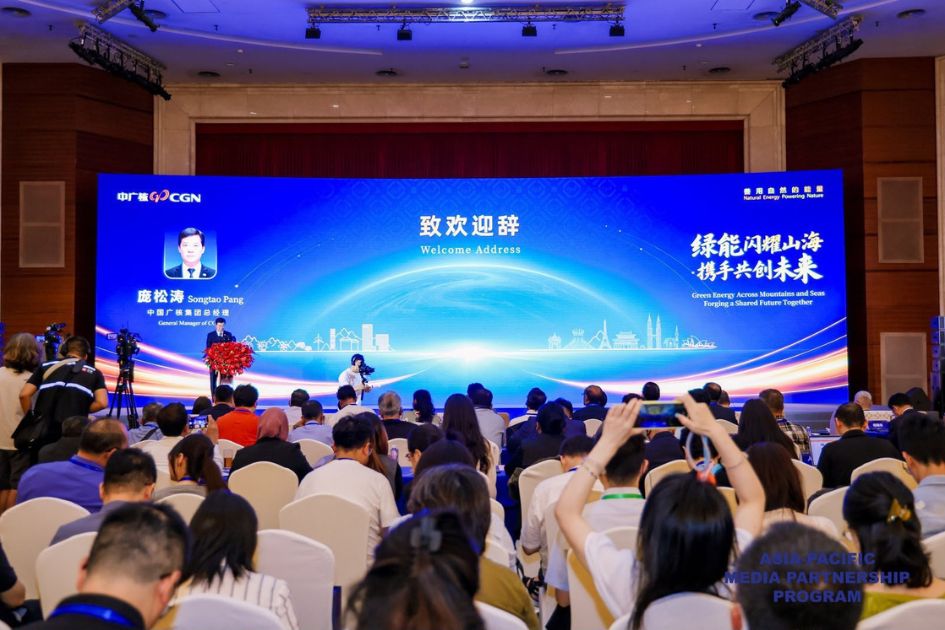



Representatives from 14 countries joined the day-long event as China General Nuclear Power Corporation highlighted nuclear, solar, wind, gas-fired and other energy projects across Asia, Europe, Africa and Latin America.
China General Nuclear Power Corporation (CGN) showcased its clean energy technologies and overseas projects at the 2026 CGN Sustainable Development Conference held Monday in Shenzhen, bringing together representatives from 14 countries.
The day-long conference, held at Huaxia Hall of the Wuzhou Hotel today (7 september), was organised under the slogan “Green Energy Across Mountains and Seas, Forging a Shared Future Together.”
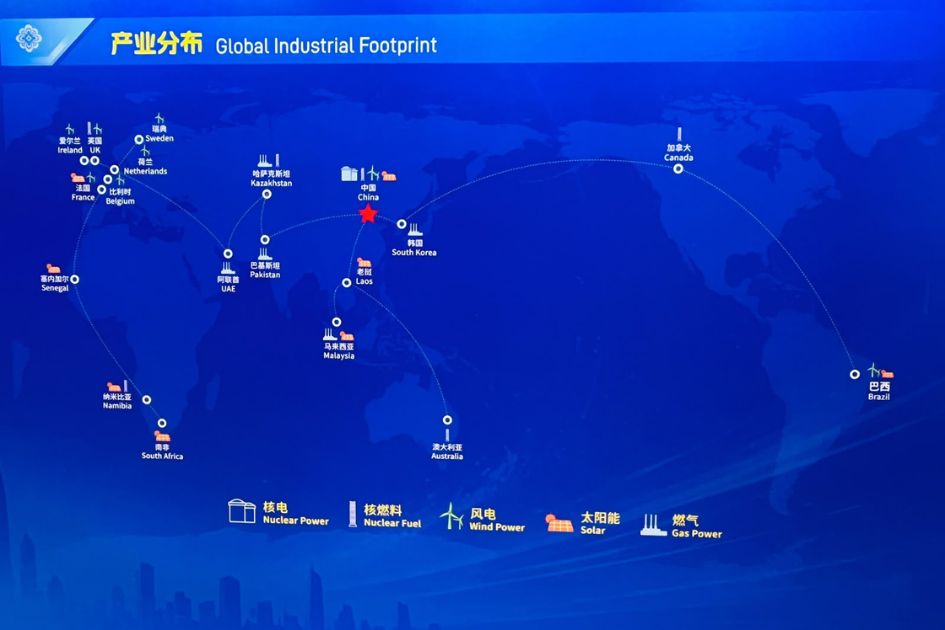
The event highlighted CGN’s growing international presence and its investments and partnerships across Asia, Europe, Africa, the Americas and Oceania, with representatives sharing experiences from energy and industrial projects in eight countries.
In his welcome address, Pang Songtao, General Manager of China General Nuclear Power Corporation Limited, highlighted the company’s efforts to expand international cooperation in clean and green energy and promote sustainable development.
The conference opened with a session titled “Green Motion Across the Seas, Starting a New Journey Together in Harmony,” including a screening of an opening video and a welcome address.
The first chapter, “Leading with Green Energy: Coexisting in Harmony,” presented an overview of CGN’s global industrial projects and introduced the company’s global brand vision.
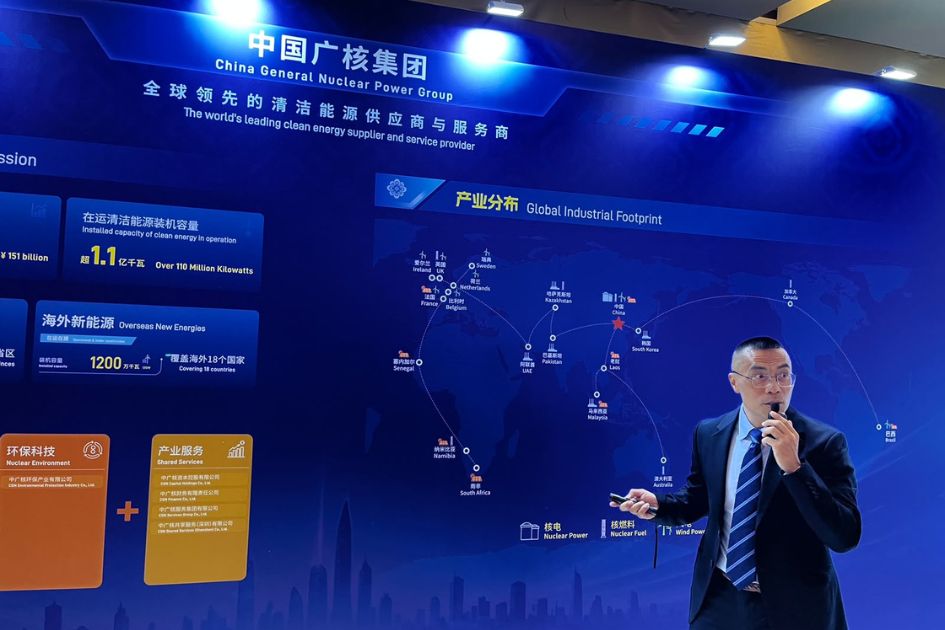
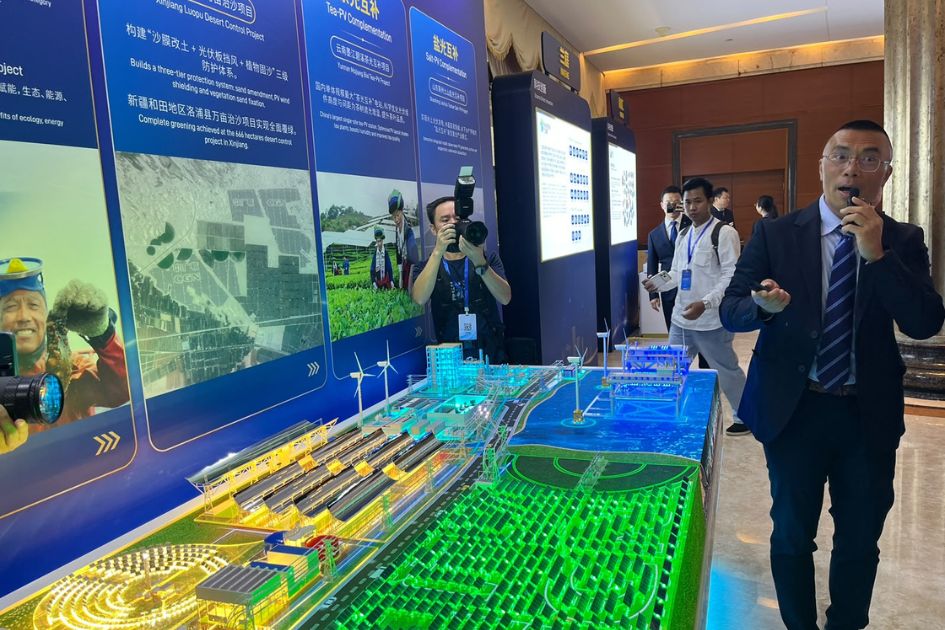
A second session, “Empowering the Future with Intelligence: Driving Innovation Forward,” focused on major enterprises, technological development and innovative achievements. The programme also highlighted Daya Bay Nuclear Power and CGN-associated brands and technologies, including Hualong One 2.0, Hezhi, Yuanyao One and FirmSys.
Projects across continents
Among the overseas projects presented at the conference were the Edra Melaka Gas-fired Power Plant in Malaysia, the first phase of the Northern Laos Base photovoltaic project and Ulba-FA LLP in Kazakhstan.
The programme also highlighted the 557-megawatt Daesan Phase II Gas-Fired Project in South Korea, as well as a wind power project in France with a capacity of about 200,000 kilowatts, or 200 MW.
In Africa, participants heard about the 22-MW Malicounda photovoltaic project in Senegal and the Husab Mine in Namibia. Conference presentations described Husab as one of the world’s largest uranium mining operations.
CGN also presented the LDB Wind Power Expansion Project in Brazil, which has a capacity of about 82,800 kilowatts, or 82.8 MW.
Representatives connected with the eight projects shared their experiences of working with CGN, discussing international cooperation, project development and the role of energy investment in local economies and sustainable development.
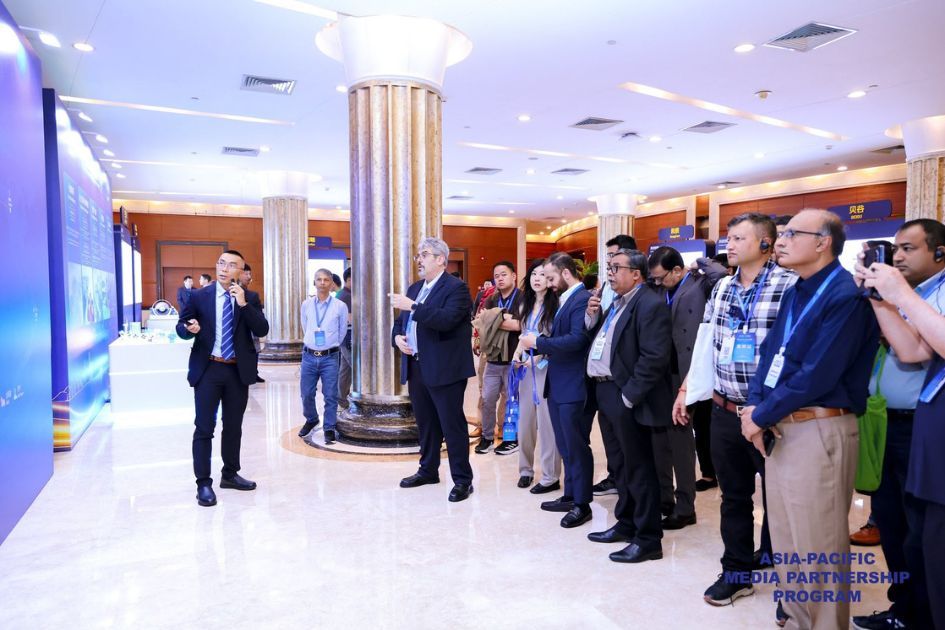
‘Safe, green, innovative and responsible’
Li Li, a CGN director, said the company’s brand philosophy centres on green innovation and harnessing the power of nature.
CGN’s development concepts are “safe, green, innovative and responsible,” he said, stressing the importance of building closer connections among communities and sharing the benefits of green development.
Liuyi He, General Manager of Daya Bay Nuclear Power Plants and Management, also addressed the conference, discussing the company’s experience in nuclear power operation and management.
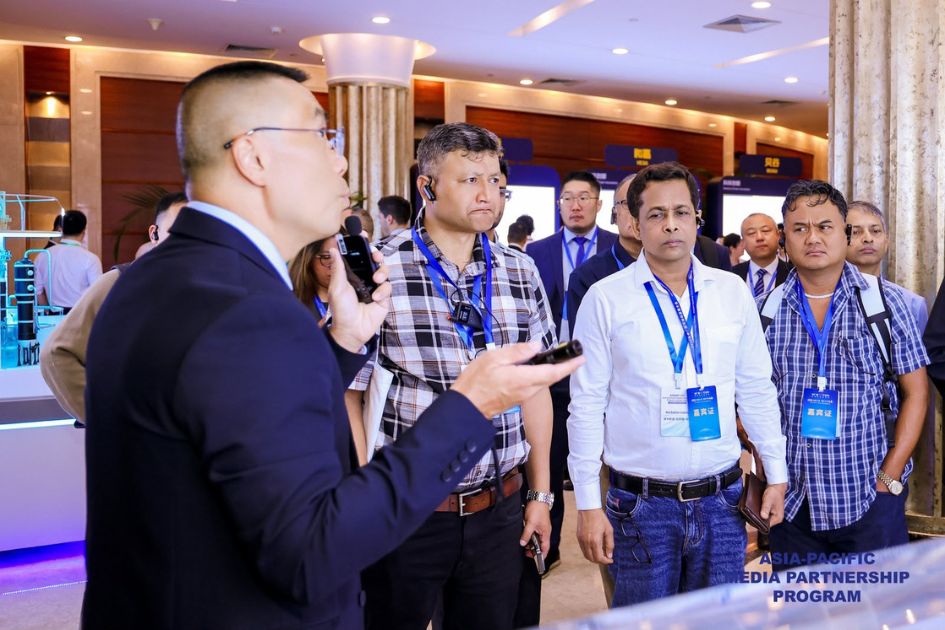
The event’s third chapter, “Fireflies Shining Bright: Celebrating Diversity and Shared Beauty,” focused on CGN’s international development.
The session included presentations under the theme “My Story with CGN”, allowing representatives from different countries to share their experiences of working with the Chinese energy company.
CGN also used the gathering to present its global corporate responsibility brand and sustainability report, highlighting environmental, social and corporate responsibility initiatives linked to its international operations.
Xiasong Zhang, Deputy Director of the Bureau of Social Responsibility under China’s State-owned Assets Supervision and Administration Commission (SASAC), joined the concluding session, which featured closing remarks and expert commentary.
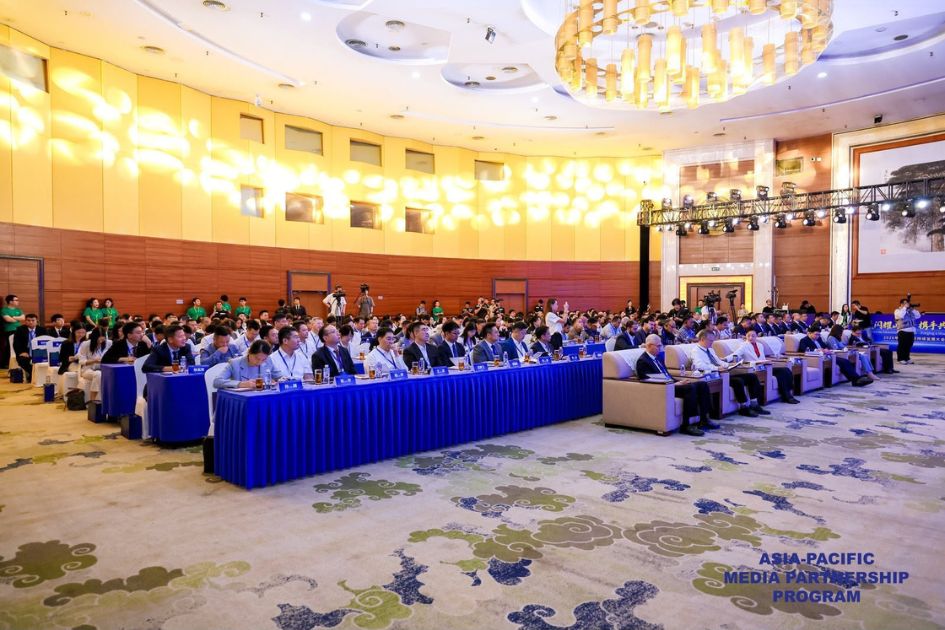
The conference concluded with calls for stronger international cooperation, technological innovation and responsible investment as countries seek to expand cleaner energy systems while meeting growing electricity demand.
With energy transitions increasingly shaping climate and development policies worldwide, speakers stressed that cross-border partnerships, technological exchange and responsible project development would be important in building more sustainable and resilient energy systems.
Suggested concluding speech
Since you did not provide the verbatim closing remarks, the following should be treated as a draft concluding speech, not as a direct quotation from Xiasong Zhang or any conference speaker.
Distinguished guests, colleagues and friends,
Today’s discussions have demonstrated that sustainable development cannot be achieved by one country, one company or one technology alone. It requires cooperation across borders, industries and communities.
From Asia to Africa, Europe and Latin America, the projects and experiences shared today show how energy cooperation can contribute to economic development while supporting the global transition towards cleaner and more sustainable energy systems.
Innovation must go hand in hand with safety, environmental responsibility and benefits for local communities. Enterprises operating internationally have a responsibility not only to deliver projects, but also to respect local needs, protect the environment and create lasting social value.
The theme of this conference, “Green Energy Across Mountains and Seas, Forging a Shared Future Together,” reflects the importance of partnership in addressing the common challenges of climate change, energy security and sustainable development.




