

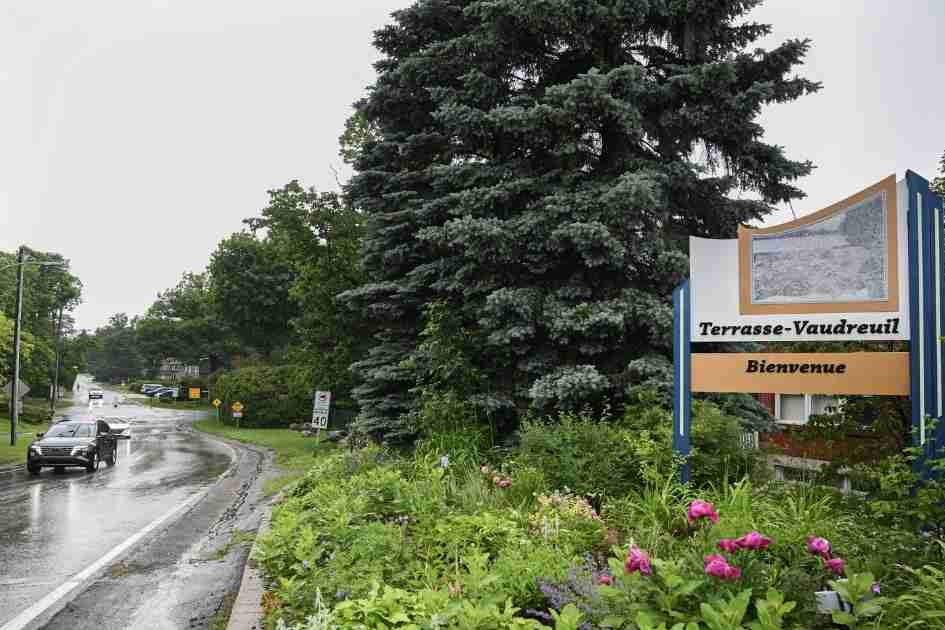



Terrasse-Vaudreuil in Quebec has legally recognized trees as living beings with rights, aiming to strengthen climate resilience, biodiversity protection and sustainable urban development through enforceable municipal safeguards.
A small municipality west of Montreal has taken an unprecedented step in environmental governance by legally recognizing trees as living beings with inherent rights, challenging centuries of legal traditions that have largely treated flora as property and exploitable resources.
The municipality of Terrasse-Vaudreuil, located about 40 miles (65 kilometres) west of Montreal, unanimously adopted the resolution on June 9, declaring that trees possess “the right to life, to natural growth, to integrity and regeneration.”
The measure comes as communities worldwide grapple with escalating climate-related disasters and growing pressure to strengthen environmental protections. Local officials say the new framework is intended to place ecological preservation at the heart of municipal decision-making and could provide a model for other jurisdictions considering stronger legal safeguards for nature.
The resolution will require a comprehensive review of existing municipal bylaws, according to Mayor Michel Bourdeau, a leading advocate of the initiative.
Town authorities will begin examining zoning and construction regulations to ensure they align with the new legal status granted to trees. Under the framework, developers and residents will no longer be able to remove healthy trees without municipal oversight and intervention.
The council is also preparing strict protection measures for trees affected by construction projects. Where removal is unavoidable because of safety concerns, municipal regulations will require a detailed and verifiable replacement plan.
Bourdeau said the policy is not intended to block development but to encourage a more sustainable and carefully planned approach to urban growth.
The initiative emerged from the community’s experience with climate-related disasters. Terrasse-Vaudreuil, home to around 2,000 residents, has endured three major floods in recent years, prompting local leaders to reassess how natural ecosystems can help protect the town from environmental threats.
Officials now view trees as a vital part of the municipality’s resilience strategy.
“They are our biggest ally,” Bourdeau said, describing trees as essential infrastructure that helps reduce urban heat, filter harmful air pollutants, manage water resources and protect local biodiversity.
The political momentum behind the measure was strengthened by the work of Quebec filmmaker André Desrocher, whose documentary on forest ecosystems helped reshape public perceptions within the community.
The film highlighted scientific research suggesting that trees communicate through extensive underground root networks. It also explored how fungal systems connect forest ecosystems, allowing mature trees to share nutrients with younger saplings.
By portraying trees as highly interconnected and interactive organisms rather than passive resources, the documentary helped convince many residents that trees deserve legal protections of their own.
Desrocher’s assertion that “a tree is like a human being” became a key moral argument supporting the council’s unanimous vote.
Although the legislation applies to a small Canadian municipality, observers say its implications extend far beyond Quebec, particularly in countries facing severe deforestation and environmental degradation.
In Kenya, the legacy of Nobel Peace Prize laureate Wangari Maathai and her Green Belt Movement offers a notable parallel. Maathai’s long campaign to protect areas such as Karura Forest reflected a belief in the intrinsic value of trees long before the concept of legal rights for nature entered mainstream legal debate.
Supporters argue that if the Terrasse-Vaudreuil experiment proves successful, it could offer a practical blueprint for municipalities elsewhere, including in Africa, seeking solutions to urban desertification and environmental decline.
By granting legal rights to elements of the natural world, advocates say conservation moves beyond voluntary action and becomes a legally enforceable obligation.
As climate impacts intensify across the globe, supporters of the measure argue that recognizing nature’s right to exist may become an increasingly important tool in humanity’s response to the environmental crisis.
S




