

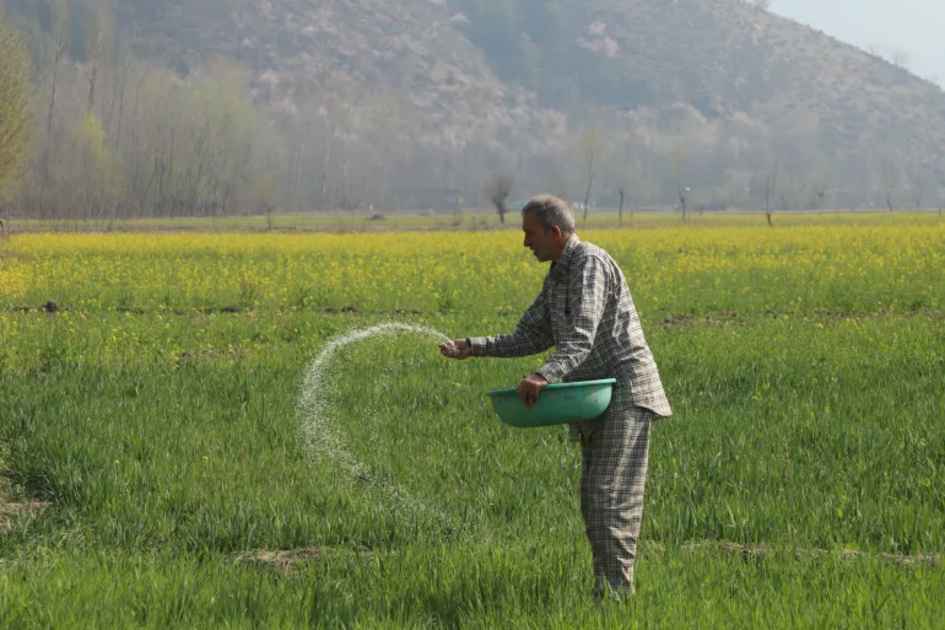



A World Bank report says 95% of Bangladeshi farmers use imbalanced fertiliser, threatening soil health and crop yields, while better nutrient management could sharply increase agricultural productivity.
Nearly 95 percent of farmers in Bangladesh apply nitrogen, phosphorus, potassium and sulphur in imbalanced proportions, raising concerns over soil health, crop productivity and the long-term sustainability of agriculture, according to a recent World Bank report.
The report, published on June 15 under the title Repurposing Agricultural Public Spending for Quality Growth and Jobs in Bangladesh’s Agrifood System, said only 5 percent of farmers use fertiliser in balanced proportions.
It said nearly two-thirds of farmers apply excessive phosphorus, while almost nine out of 10 use less sulphur than required. Around six in 10 farmers also apply fertiliser with a potassium deficit.
Nitrogen use is also uneven. Rice growers tend to apply less nitrogen than needed, while onion and vegetable farmers are found to use it in excess.
The report said major regional differences also exist in fertiliser imbalances. Under-application is more common in Barishal and Sylhet, while over-application is more prevalent in Khulna and Rajshahi.
It added that correcting these imbalances could raise boro rice yields by 33 percent, aman rice yields by 65 percent and potato yields by as much as 87 percent.
According to the World Bank, farmers could increase production by nearly 25 percent through more efficient use of existing land, labour and agricultural inputs.
To improve awareness, Sohal recommended using social media, television and radio programmes, alongside billboards carrying region-specific recommendations.
Moin Us Salam, a former professor at the Department of Agronomy at Bangladesh Agricultural University, said the widely held belief that farmers use excessive fertiliser needs closer examination.
He explained that the Bangladesh Agricultural Research Council generally prepares such recommendations based on research station trials and advisory findings. But their effectiveness depends on how accurately the data reflect the actual conditions of a specific plot of land or sub-district.
Referring to the example of Bihar in India, Salam said soil nutrient maps are being developed there for each individual plot of land.
In his view, that system makes it possible to provide separate recommendations for each plot, but Bangladesh has yet to develop a land-specific advisory system.
The agriculture minister said limited awareness among field-level government officials about soil health has also contributed to the spread of imbalanced fertiliser use.
He added that if the government’s proposed policy measures are implemented, fertiliser use could be reduced by more than 23 percent. At the same time, yields would rise, production costs would fall and productivity would increase.
SOURCE: THE DAILY STAR




