

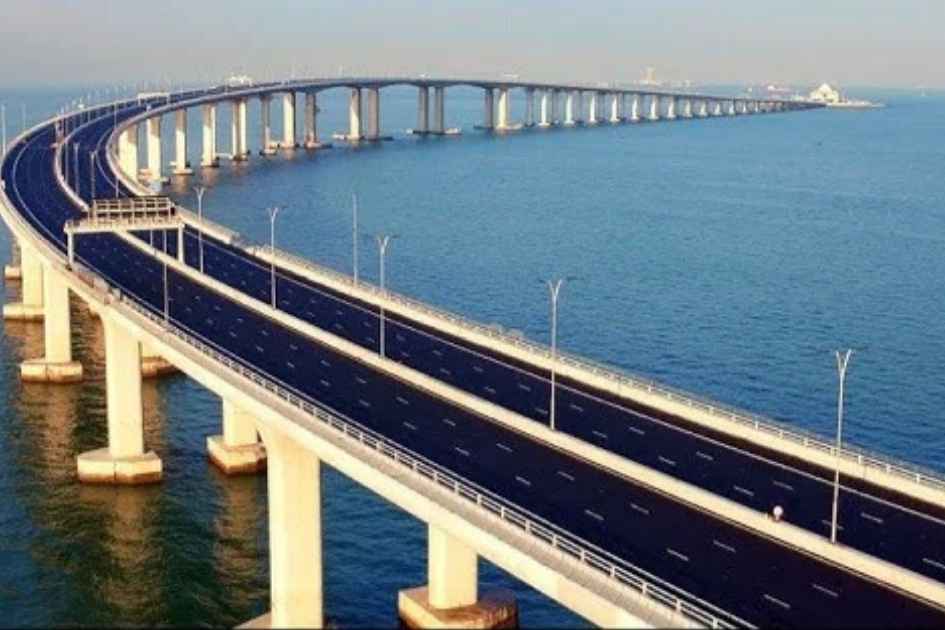



The proposed Bhola-Barisal Bridge could cut travel time, boost trade, expand market access and unlock economic growth for isolated Bhola Island and southern Bangladesh.
For thousands of residents on Bhola Island, life is measured in ferry schedules. Students commuting to mainland universities, patients seeking urgent medical care and traders transporting fresh hilsa or vegetables all face long delays, unpredictable weather and high transport costs. The proposed Bhola-Barisal Bridge promises to change that. More than steel and concrete, it represents a strategic investment capable of reshaping southern Bangladesh’s economy, mobility and regional connectivity.
Unlocking Economic Potential
Bhola is rich in natural resources including fisheries, fertile farmland, aquaculture ventures and natural gas reserves. Yet isolation has limited the full economic benefits of these assets. Moving goods to markets in Dhaka, Chattogram or Rajshahi currently takes hours, often stretching to a full day with ferry delays. High transport costs reduce profitability, discourage investment and limit market access.
Feasibility studies suggest the bridge’s economic benefits including lower transport costs, increased productivity and expanded market access would outweigh construction and maintenance costs. Reliable road access could stabilize prices for producers, attract industrial investment and expand exportable goods. This could transform Bhola from a peripheral island into a vital economic node within Bangladesh’s national supply chain.
Enhancing Human Mobility
Infrastructure development affects people as much as it affects goods. Faster and reliable road access would drastically reduce travel time, improve access to higher education, healthcare and jobs and expand employment opportunities especially for youth and women. Patients requiring regular medical treatment would no longer face long, weather-dependent journeys. Students could pursue education on the mainland without sacrificing days in transit. Increased mobility could strengthen social inclusion and workforce participation across southern Bangladesh.
Strengthening Trade and Supply Chains
A bridge alone does not guarantee economic transformation but it provides the foundation for trade expansion. Reduced travel times and predictable logistics will lower spoilage of perishable goods such as fish, fruits and vegetables. Businesses can plan and invest with confidence and industrial growth could follow.
Beyond domestic trade, improved road connectivity could link Bhola to seaports, supporting export growth and integration into South Asian trade corridors. This could extend the economic geography of southern Bangladesh and strengthen regional commerce with India and other neighboring countries.
Logistics and Commercial Impact
Traffic projections indicate hundreds of passenger vehicles and buses daily alongside significant freight transport of agricultural produce, construction materials and manufactured goods. The total value of goods transported could reach billions of taka annually, effectively making the bridge a commercial artery rather than merely a convenience.
Balancing Development with Sustainability
Large infrastructure projects carry environmental risks. Changes in river flow and sediment patterns could affect fisheries and local ecosystems. Increased urbanization may strain fragile coastal zones. At the same time, shorter trips could reduce fuel consumption and emissions while improved planning might support green economic zones and climate-resilient logistics. Careful environmental impact assessments and strategic design will be essential to ensure long-term benefits.
A Strategic Investment
The Bhola-Barisal Bridge should not be seen as a populist demand. Its value lies in tangible economic, social and strategic outcomes. Success will depend on efficient transport logistics, complementary investments in roads and services, regulatory frameworks that support trade and sustainable environmental management.
Bridges do not automatically create development. People, markets and governance determine whether projects deliver long-term benefits. The Bhola-Barisal Bridge has the potential to transform isolation into opportunity for Bhola and southern Bangladesh.




