




Bangladesh’s 2026–27 budget may extend solar tax holidays, cut renewable equipment duties and expand EV incentives to reduce fossil fuel imports, ease dollar pressure and boost clean energy investment.
Bangladesh is set to unveil a major package of tax incentives in its upcoming 2026–27 national budget to accelerate renewable energy expansion and electric vehicle adoption, in a move aimed at reducing fossil fuel dependence, strengthening energy security, and easing pressure on foreign exchange reserves, officials from the National Board of Revenue (NBR) source confirmed.
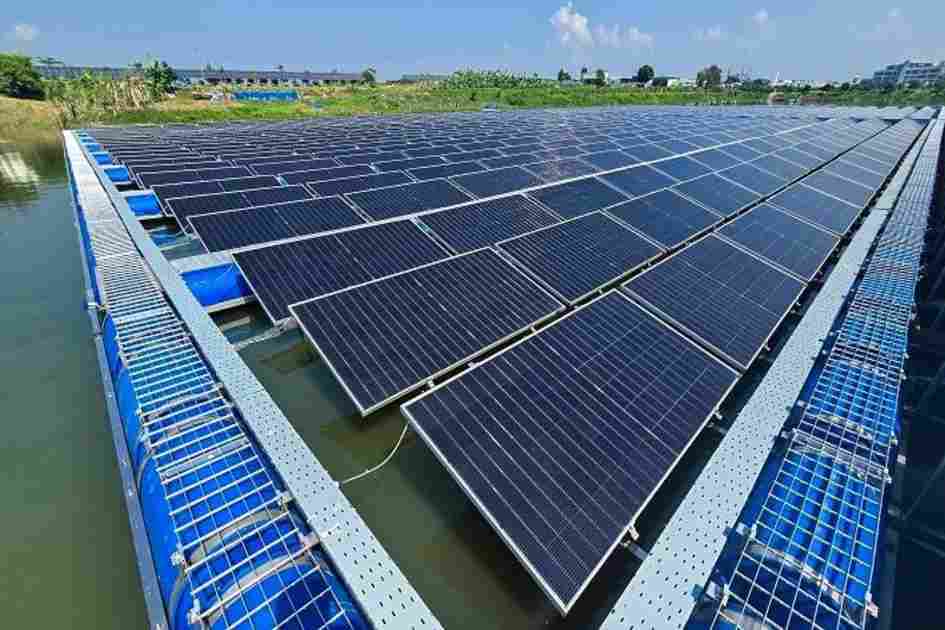
Under the proposed reforms, the government is expected to extend tax exemptions for the solar energy sector until 2035, alongside significant reductions in import duties on renewable energy equipment. Advance income tax on electric vehicles is also likely to be sharply reduced, while import duties on EVs may be lowered to encourage wider adoption of clean transport.
Officials said the measures are designed to stimulate private investment in clean energy and reduce the country’s growing import burden from fossil fuels.
Bangladesh currently spends an estimated 18 billion dollars annually on importing fuel oil, liquefied natural gas LNG, coal and electricity, placing sustained pressure on foreign exchange reserves. Experts argue that expanding domestic renewable energy, particularly solar and wind power, could significantly reduce this dependency.
At present, import taxes on solar energy equipment, including panels, batteries, inverters and other system components, as well as electric vehicles, remain high, ranging between 28 percent and 93 percent, a level stakeholders say is slowing the country’s clean energy transition.
Civil society organisations have urged the government to reduce taxes and duties on renewable energy equipment to a symbolic 1 percent for the next decade, arguing that the current average tax burden of around 37 percent is making solar power unnecessarily expensive and slowing Bangladesh’s renewable energy transition.
Diesel remains deeply embedded in the economy, accounting for 61 percent of transport fuel consumption and 13 percent of agricultural irrigation demand, underscoring continued reliance on imported fossil fuels across key sectors.
Energy analysts say a structural overhaul of fiscal policy is essential to accelerate the transition toward clean energy. Khondaker Golam Moazzem, Research Director at the Centre for Policy Dialogue CPD, said several European countries are already moving toward environmentally aligned tax systems that phase out fossil fuel subsidies and introduce green tax and green budget frameworks.
“European countries are increasingly aligning fiscal systems with environmental goals by phasing out subsidies embedded in fossil fuel taxation and introducing green fiscal structures,” he said.
Energy expert Ijaz Hossain said Bangladesh is facing mounting economic pressure due to its reliance on imported fossil fuels such as diesel, LNG, furnace oil and coal.
“The power sector is heavily dependent on imported fuels, which is putting intense pressure on foreign exchange reserves amid global geopolitical instability. Yet the shift toward domestic renewable energy sources like solar and wind remains slow,” he said.
According to officials, the upcoming budget may include a full tax holiday for solar energy investments until 2035, alongside a possible 5 percent tax rebate on electricity bills for solar users.
Electric vehicle incentives are also expected to expand. The government is considering reducing advance income tax on EV registration and renewal at the Bangladesh Road Transport Authority BRTA, alongside possible tax exemptions for electric charging stations and imports of electric buses and trucks.
Sohanur Rahman, Executive coordinator at YouthNet Global said, “A just and accelerated energy transition is no longer optional. Bangladesh should align its fiscal policies with climate reality by making renewable energy truly affordable and scaling up incentives for clean technologies, including solar power and electric mobility.” He added, “A bold tax reform in this direction would directly support energy security, jobs, and climate resilience.”
Power and Energy State Minister Anindya Islam Amit said tax relief for the solar sector is likely to be included in the upcoming budget.
“The solar sector may receive tax relief in this budget,” he said.




