

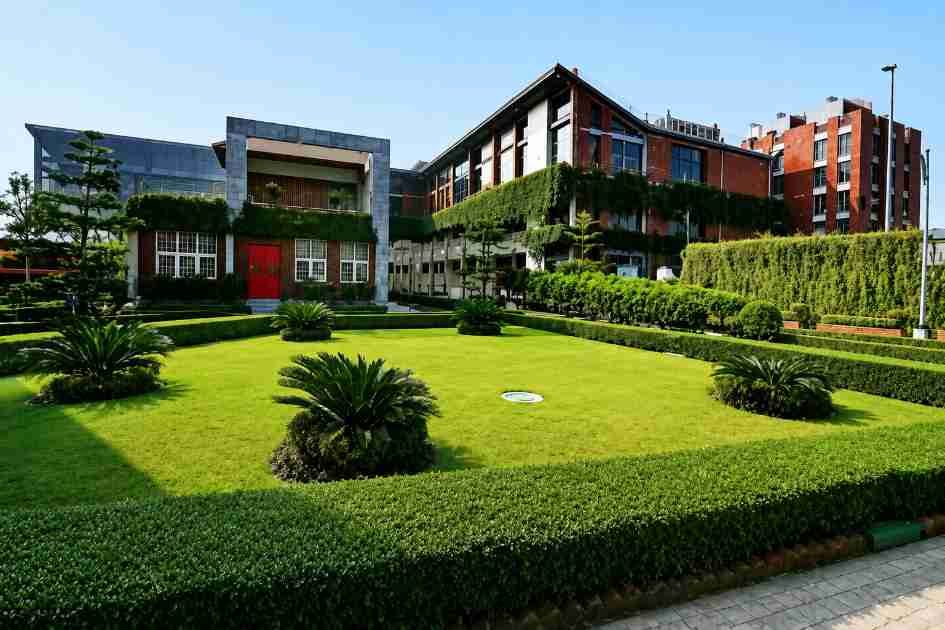



Bangladesh’s garment sector added three new LEED-certified factories, raising the total to 287 and strengthening its position as a global hub for sustainable and environmentally responsible apparel manufacturing.
Bangladesh’s ready-made garment sector has added three more factories to its list of internationally recognised Leadership in Energy and Environmental Design (LEED) certified facilities, bringing the total number to 287.
The development highlights the continued expansion of environmentally responsible and energy-efficient industrial production in the country’s export-oriented apparel sector.
According to the Bangladesh Garment Manufacturers and Exporters Association (BGMEA), the newly certified factories are Big Boss Corporation Ltd, Union Label and Accessories Ltd and Vertex Wear Ltd.
Big Boss Corporation Ltd and Vertex Wear Ltd achieved LEED Platinum ratings with 90 and 81 points respectively, while Union Label and Accessories Ltd secured 85 points and also earned Platinum certification.
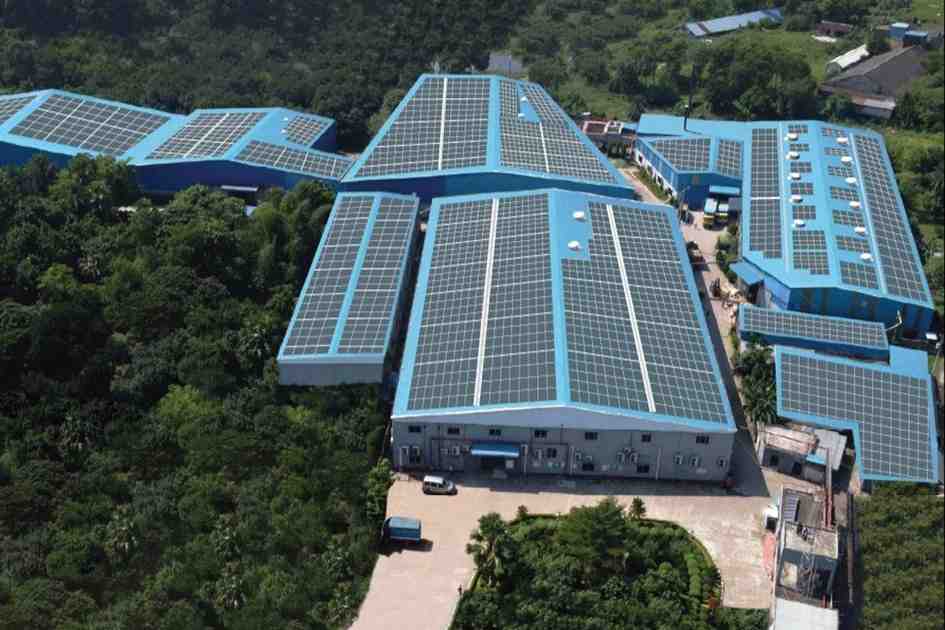
The certifications were awarded under the Leadership in Energy and Environmental Design (LEED) system administered by the United States Green Building Council, a globally recognised framework that evaluates buildings based on energy efficiency, water conservation, environmental impact, indoor environmental quality and overall sustainability performance.
With the latest additions, Bangladesh now has 124 Platinum-rated factories, 144 Gold-rated factories, 15 Silver-rated factories and four Certified facilities, according to BGMEA data.
The country also continues to host a significant share of the world’s highest-scoring LEED-certified factories, reflecting the depth of its ongoing green industrial transformation.
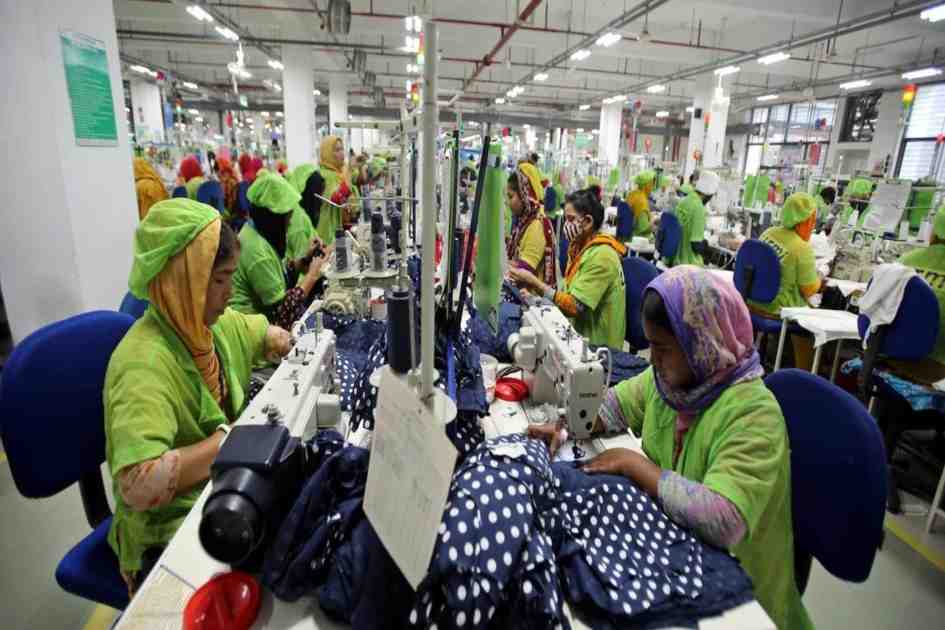
Industry experts say Bangladesh’s apparel sector is gradually evolving from a low-cost production base into a competitive hub for sustainable manufacturing. Improvements in energy efficiency, reduced water consumption and safer working environments are increasingly becoming standard features in certified factories, helping reduce operational costs while improving productivity and global buyer confidence.
At the same time, analysts caution that certification alone is not sufficient to ensure full sustainability across the supply chain. They stress the importance of stronger compliance, expanded renewable energy adoption and closer alignment between environmental upgrades and labour protections to ensure long-term resilience.
Former BGMEA director Mahmudur Rahman Rubel said, “Bangladesh’s apparel sector is now setting global benchmarks not only in production capacity but also in sustainable industrialisation, strengthening both brand value and buyer confidence. The expansion of green factories is enhancing Bangladesh’s reputation as a responsible sourcing destination.”
Sohanur Rahman, executive coordinator of YouthNet Global, said, “Workers’ lives must also be green, meaning decent work, safe conditions and fair wages. Sustainability cannot be limited to buildings and certifications. It must also include the dignity and wellbeing of the people inside them.”
Bangladesh remains the world’s second-largest apparel exporter and its growing portfolio of LEED-certified factories is increasingly viewed as a strategic advantage as global brands tighten environmental and carbon standards across supply chains.




