

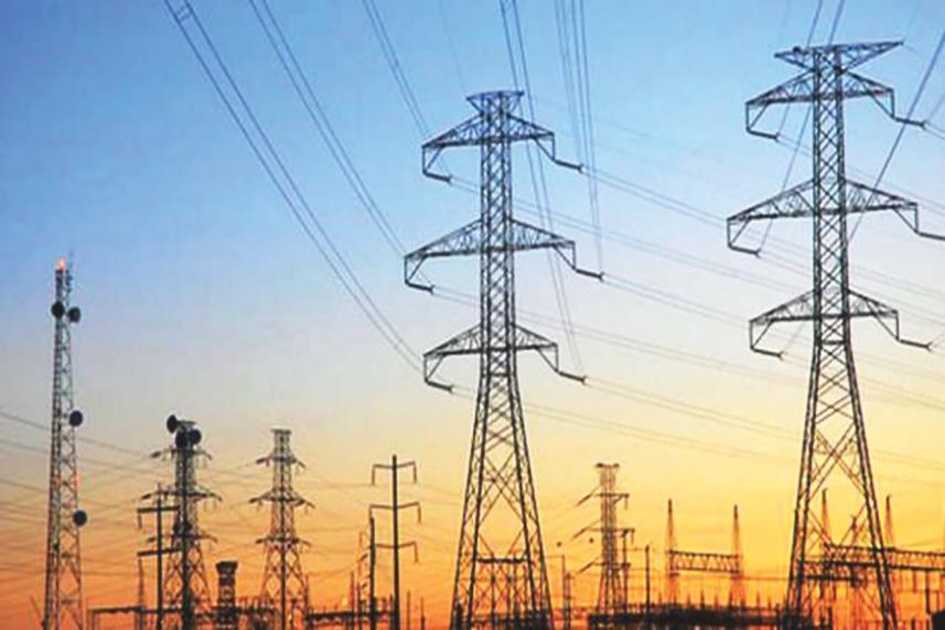



Experts warn that privatising electricity distribution without strong regulation could affect subsidised consumers, farmers, rural communities and workers across Bangladesh’s power network.
Government seeks private investment to improve efficiency, while critics call for stronger safeguards to protect affordability, rural access and public interest.
Bangladesh is considering a major restructuring of its electricity distribution system by allowing greater private sector involvement, a move the government says could improve efficiency and reduce state responsibility, but one that has raised concerns among energy experts over consumer costs, rural access and accountability.
Power, Energy and Mineral Resources Minister Iqbal Hasan Mahmud recently announced that the government is exploring the possibility of transferring electricity distribution activities to private operators. He said the state’s main responsibility should be ensuring electricity generation and wholesale supply, while retail distribution could be managed by private companies.
The proposal has triggered debate over the future of a nationwide electricity network built over nearly five decades through public investment. Bangladesh’s six major electricity distribution entities currently serve more than 50 million customers, including around 18 million low-income consumers who receive subsidised electricity under the government’s lifeline category.
The government argues that private participation could bring investment, improve management and reduce the financial burden on the state. However, critics say electricity distribution is not like ordinary commercial services because consumers cannot easily switch providers. Each area depends on a single physical network of power lines, substations and transformers, making strong regulation essential.
Public service or commercial business?
Energy analysts say the key question is not only who owns the distribution system, but how public interest will be protected.
Electricity distribution combines three critical responsibilities: maintaining reliable supply, ensuring affordable tariffs and expanding access to underserved communities. Experts warn that without strict regulatory safeguards, profit-driven operators may prioritise commercially attractive areas while reducing attention to remote and low-income communities.
Bangladesh has already achieved near-universal electricity access through decades of state-supported expansion. Distribution infrastructure, including thousands of kilometres of power lines and substations, has been developed through public investment across urban and rural areas.
The Rural Electrification Board (REB), the country’s largest electricity distribution network, operates across 462 upazilas with more than 611,000 kilometres of distribution lines and 1,306 substations.
Concerns over tariffs, subsidies and workers
One of the biggest concerns is the future of government subsidies.
Millions of low-income households depend on subsidised electricity, while farmers rely on affordable electricity for irrigation. Analysts question whether private operators would maintain these support systems or whether higher costs would eventually be passed on to consumers.
Experts also raised concerns about the future of thousands of electricity sector workers involved in maintaining and expanding the national grid.
Officials seek clarity on implementation plan
Although the government has announced its intention to explore privatisation, no detailed roadmap has been made public regarding the process, timeline or which areas would be transferred to private management.
Officials from several electricity agencies reportedly said they had not received formal instructions about the plan and had learned about the proposal through media reports.
Industry observers say any transition would require clear rules covering ownership, tariff setting, service obligations, labour protection and regulatory oversight.
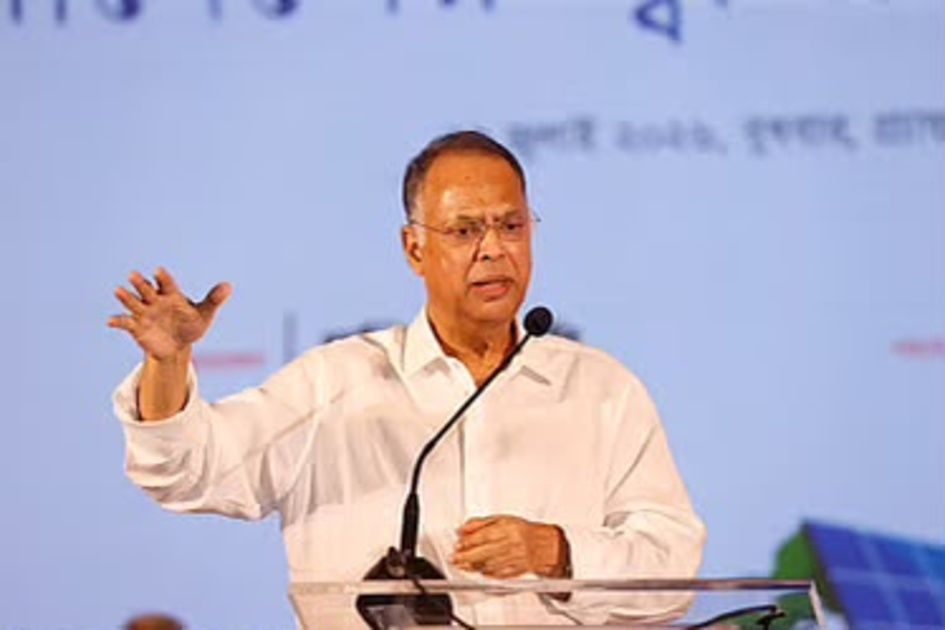
Photo: Tanvir Ahmed
Lessons from previous power reforms
Bangladesh already relies heavily on private companies for electricity generation, a model that has faced criticism over tariff costs, capacity payments and government liabilities.
Critics argue that expanding private participation into distribution without strengthening regulation could create similar challenges in a sector where consumers have limited alternatives.
Energy expert Professor M Tamim said Bangladesh must carefully assess whether the private sector currently has the capacity to manage electricity distribution nationwide.
“First, Bangladesh does not have a private sector with the proven capability to operate electricity distribution at this scale. Second, it remains uncertain whether private operators would protect public interests and whether the government could regulate them effectively,” he said.
Former Power Cell Director Engineer B D Rahmatullah said ownership change alone would not solve existing problems.
“The problem is not public ownership itself; the problem is governance, transparency and accountability. Improving efficiency and stopping corruption should come before changing ownership,” he said.
Professor Shamsul Alam also urged policymakers to focus on improving management and accountability rather than turning an essential public service into a purely commercial activity.
India comparison needs caution
The government has pointed to India, where companies such as Tata, Reliance and Adani distribute electricity in some cities, as an example of private sector involvement.
However, analysts say Bangladesh’s situation is different because regulatory capacity, market conditions and institutional structures vary between the two countries.
They argue that international examples can provide lessons, but any reform must be designed according to Bangladesh’s own social and economic realities.
Government highlights wider energy challenges
Defending the proposed reform, Minister Iqbal Hasan Mahmud said private investment could help reduce pressure on government finances and improve efficiency.
He also highlighted wider challenges facing Bangladesh’s energy sector, including dependence on imported fuel, gas shortages, rising costs and outstanding payments in the power sector.
The minister said the government is working to manage these challenges while ensuring energy security.
Protecting public interest remains the key challenge
As Bangladesh considers changing the ownership model of its electricity distribution system, analysts say the central challenge is balancing investment needs with consumer protection.
Experts argue that any move towards private participation should include a strong independent regulator, transparent tariff mechanisms, universal service obligations and protections for vulnerable communities.
For Bangladesh, the debate reflects a wider challenge faced by developing countries: how to attract private investment while ensuring essential services remain affordable, inclusive and accountable.




