

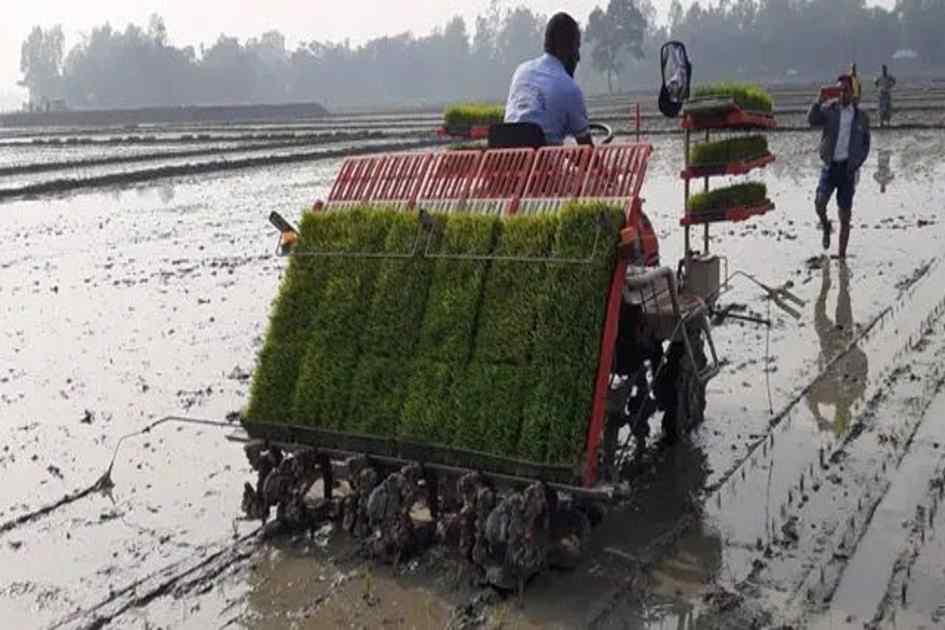



Bangladesh has launched a long-term agriculture roadmap aiming for climate resilience, modern farming, safe food and stronger exports by 2050, backed by science, technology and nationwide consultations with broad support.
Bangladesh has unveiled a 25-year roadmap to transform its agriculture sector into a fully sustainable, climate-resilient and export-oriented industry by 2050. The plan, titled Transforming Bangladesh Agriculture: Outlook 2050, identifies 13 priority areas, including nutrition security, climate adaptation, mechanization and good agricultural practices.
The draft plan was presented at a national workshop in Dhaka on January 28, organized by the Ministry of Agriculture and the UN Food and Agriculture Organization. The roadmap focuses on modern farming approaches such as artificial intelligence, mechanization and safe food production, moving away from traditional methods.
Agriculture Adviser Lt. Gen. (Retd.) Md. Jahangir Alam Chowdhury said, “This roadmap is a historic moment for Bangladesh. Over the next 25 years, these reforms will secure our food, improve rural livelihoods and strengthen the economy. It is not just a plan for farmers, it is a plan for the country.”
Agriculture Secretary Dr. Mohammad Emdad Ullah Mian said, “We are looking beyond immediate challenges. We are asking ourselves where we want agriculture to be by 2050 and how to get there.”
Bangladesh’s agriculture faces significant climate risks. Dr. Mohammad Kamruzzaman Milan, a climate and agriculture expert, warned, “Our average temperatures have risen by 0.24 degrees Celsius per decade over the last 40 years. Hot nights are increasing and without proper adaptation, rice yields could drop by up to 20 percent. Rainfall is becoming erratic and salinity in coastal areas will worsen.”
The roadmap emphasizes climate-smart farming, flood- and drought-resistant crops and digital monitoring of soil and weather patterns. Professor Abu Noman Faruk Ahmed of Sher-e-Bangla Agricultural University said, “By 2028, we plan to bring 300,000 hectares under good agricultural practices and by 2050, 70 percent of farmland will use integrated pest management and biological pesticides. We will also introduce Digital Soil Health Cards to protect soil quality.”
Mechanization is another priority. Professor Dr. Md. Manjurul Alam of Bangladesh Agricultural University explained, “Currently, farm labor availability is 3.24 kilowatts per hectare. By 2050, we aim to raise this to 5.19 kilowatts per hectare. Achieving this will require nearly 44 billion taka in investment over 25 years.”
Cold storage and supply chains will also expand. “We have 393 cold stores, mostly for potatoes. To prevent fruit and vegetable losses, we are creating a farmer-centered integrated cold chain,” said Professor Alam.
Agricultural economist Dr. Jahangir Alam highlighted the wider benefits, saying, “This roadmap will create jobs, reduce poverty, ensure safe and nutritious food and strengthen Bangladesh’s ability to withstand climate shocks.”
The plan has been shaped through consultations in 14 agricultural regions, analyzing soil quality, farming practices and market realities to forecast supply and demand through 2050. Representatives from the Planning Commission, FAO, UNDP, ministries, diplomats, researchers and entrepreneurs attended the workshop.
Dr. Milan added, “If we succeed, Bangladesh’s approach could become a model for other developing nations, showing how to combine sustainability, technology and resilience to tackle climate and food security challenges.”




