


Bangladesh’s COP17 proposals link biodiversity protection to fiscal reform, highlighting the Sundarbans’ economic value, climate-related losses and the financing gap facing vulnerable economies.
Dhaka calls for innovating finnacing support, biodiversity spending in national budgets, warning that ecosystem loss threatens economies and public finances.
Bangladesh has called for innovative financing support, longer debt repayment periods and cheaper refinancing to help developing countries protect nature, warning that ecosystem loss threatens economic stability and public finances.
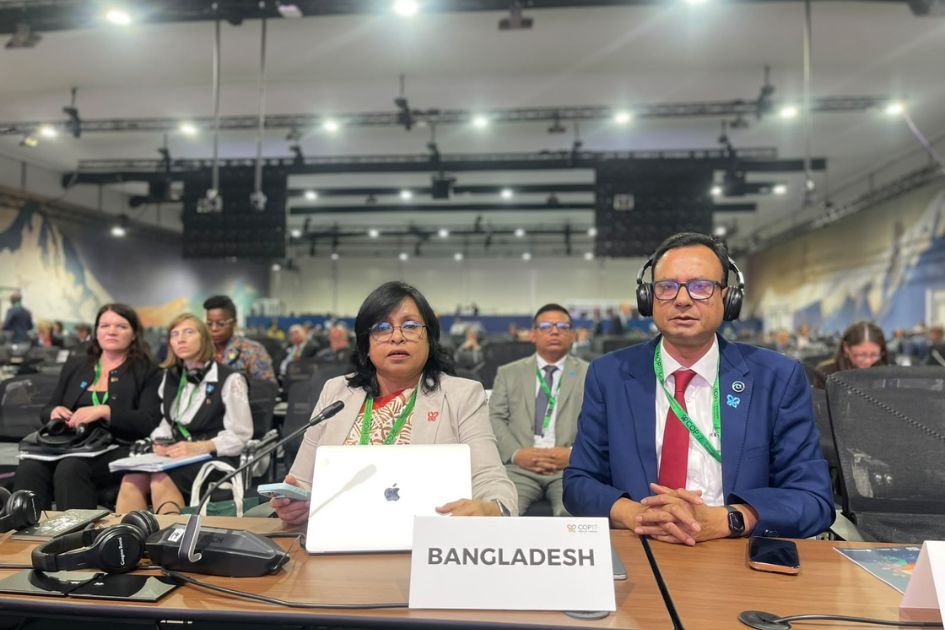
A K M Sohel, Additional Secretary at the Economic Relations Division of Bangladesh’s Ministry of Finance, made the proposals at Tuesday afternoon’s ministerial dialogue on “Financial Action for Nature” during the high-level segment of the UN biodiversity summit, COP17, in Yerevan, Armenia.
The dialogue was chaired by Valerie Hickey, Director for Environment at the World Bank Group. Dr Fahmida Khanom, Acting Secretary of Bangladesh’s Ministry of Environment, Forest and Climate Change, was present.
“For us, nature is economic infrastructure,” Sohel said.
He said better debt terms would free up public resources for sustainable development and biodiversity protection. Energy price shocks, debt distress and higher borrowing costs were weakening the capacity of climate-vulnerable economies to invest in their future.
“Nature loss is a macro-fiscal risk, and it must be managed as one,” he said, arguing that damage to ecosystems threatens economic growth and government finances.
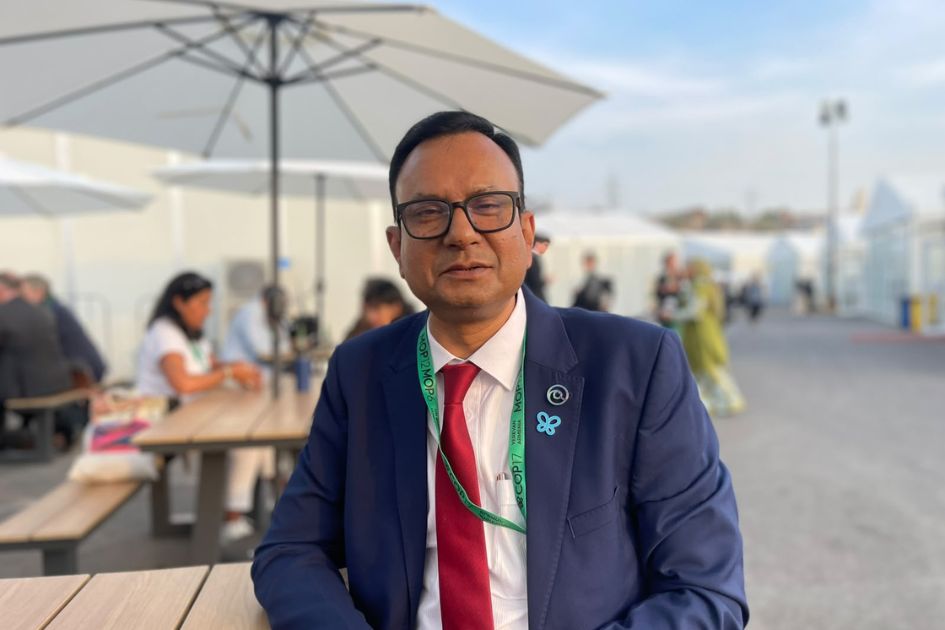
Calling for innovative financing, Sohel welcomed the World Bank’s guarantee financing, expressing hope that it would help reduce borrowing costs for the private sector.
He urged stronger private sector engagement, saying vulnerability alone was insufficient to attract funding. Proposals needed credible implementation plans and the capacity to absorb and use funds effectively.
He emphasised the importance of well-prepared projects capable of attracting investment, financing released when predefined conditions are met, and financial risk models that better reflect climate threats.
Underscoring Bangladesh’s vulnerability, Sohel said the country had the world’s second-largest climate-exposed population after China.
The financing imbalance was also highlighted in COP17 remarks by Astrid Schomaker, executive secretary of the Convention on Biological Diversity.
“Financing the destruction of nature with 30 dollars against every dollar spent restoring it is like paying 30 people to tear down your house for every one hired to rebuild it,” she said.
Schomaker identified accountability, alignment and acceleration as priorities for implementing the Kunming-Montreal Global Biodiversity Framework, which sets out 23 targets for achievement by 2030.
She called for national reports, scientific evidence and the first global review to guide stronger action, alongside public budgets, private investment and financial incentives that support biodiversity objectives.
“The global review showed us where progress is being made and where we are falling behind,” she said. “Yerevan focuses all Parties on closing those gaps.”
Bangladesh’s proposals linked the international financing challenge to changes in national economic management.
Sohel outlined five priorities covering national planning, budget tracking, ecosystem valuation, financial risk modelling, and access to finance and technology.
He urged finance ministries to participate in designing National Biodiversity Strategies and Action Plans from the outset, with other ministries incorporating nature goals into their fiscal plans.
Governments should also identify and track biodiversity-related expenditure in national budgets, building on Bangladesh’s experience of tracking climate spending across 25 ministries, he said.
National accounts should recognise the economic value of ecosystem services, including storm protection and support for livelihoods.
The statement cited a study estimating that the Sundarbans mangrove forest helps avoid between $98 million and $132 million in storm damage each year.
For Bangladesh, the economic stakes extend across agriculture and forest-dependent communities. According to figures cited in the statement, agriculture contributes about 11 per cent of gross domestic product and employs nearly 40 per cent of the workforce, while at least 19 million people depend on forests for their livelihoods.
Climate disasters are adding to those pressures. The statement put the loss and damage from Cyclone Remal in May 2024 at more than $570 million, with 4.6 million people affected. Floods in August that year affected 5.8 million people and caused more than $1.1 billion in loss and damage.
Sohel said increased domestic spending alone would not meet the country’s needs.
The statement put Bangladesh’s climate budget for the 2026–27 financial year at about $4.2 billion, with 75.2 per cent allocated to adaptation. Implementing the National Adaptation Plan, it said, requires about $8.5 billion annually.
Bangladesh sought support from multilateral development banks for coordinated programmes and faster access to the Green Climate Fund.
Acknowledging the need to improve domestic delivery, the statement noted that development programme implementation had fallen from 92.7 per cent in the 2021–22 financial year to 68 per cent in 2024–25.
Sohel stressed that commitments to climate action and biodiversity protection must be backed by accessible finance and technology, alongside funding that responds to climate-related and other shocks.
Calling for a debt deal that creates room in national budgets for sustainable development, he warned: “Without it, biodiversity preservation and natural resource retention will remain elusive goals.”